- Tuesday, 2 June 2026

Reduce Anxiety For Healthy Living

Everyone feels anxious frequently in different circumstances. We often worry when encountering a problem at work, prior to taking a test, or before making an important decision in life or even in day-to-day activities. Anxiety is a natural emotion. It is often a reaction to stress and alerts us of impending danger.
Although anxiety is a common and natural emotion, it can also cause various physical symptoms when excessive worry or fear persists for a long time. When a person feels symptoms often and for a long time, then s/he is said to have an anxiety disorder. It can affect daily life but can often improve with proper treatment. Thus, anxiety and panic interfere with daily activities and are often difficult to control and last for a long time. People of all ages and gender can develop anxiety disorders. Usually, symptoms start in childhood or teenage and continue into adulthood.
Scenario
The World Health Organisation (2022) estimated that 1 in every 8 people, or a total of 970 million people around the world are living with mental disorder, among which anxiety and depressive disorders are the most common. About 3.6 per cent of the world population or about 264 million individuals worldwide have an anxiety disorder. Of which more females (4.6 per cent) than males (2.6 per cent) globally are affected by anxiety. There are various types of anxiety disorders that include generalised anxiety disorder, social anxiety disorder (social phobia), specific phobias, and separation anxiety disorder. A single person can have more than one anxiety disorder. Anxiety can also result from a medical condition that needs specific treatment.
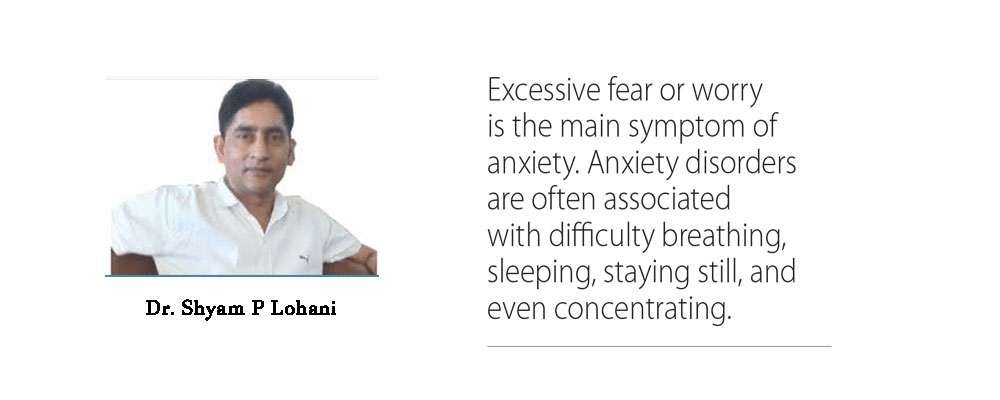
Excessive fear or worry is the main symptom of anxiety. Anxiety disorders are often associated with difficulty breathing, sleeping, staying still, and even concentrating. However, symptoms vary on the type of anxiety disorder. The common symptoms are panic, fear, uneasiness, feelings of panic, doom, danger, and sleep problems. Other symptoms are unable to stay calm and still, cold, sweaty, numb, or tingling hands or feet, and shortness of breath. People with panic disorders also have fast breathing and hyperventilation, palpitations, dry mouth, nausea, tense muscles, dizziness, rumination, unable to concentrate and sleep, and intensely or obsessively avoiding feared objects or places.
Genetics, environmental stress, drug or substance withdrawal, and certain medical conditions can result in or precipitate anxiety. Anxiety disorders can run in families. Several stressful life events including childhood abuse and neglect, the death of a loved one, or being attacked or seeing violence are often linked to anxiety disorders. Anxiety disorder often goes along with alcohol and substance use. Certain medical illnesses of the heart, lungs, and thyroid can cause symptoms analogous to anxiety disorders or often make anxiety symptoms even worse. Thus, it becomes important to undergo a full physical exam to rule out other medical conditions
There are varieties of factors that may increase the risk of developing an anxiety disorder. Children who had witnessed abuse or trauma or gone through traumatic events are at higher risk of developing an anxiety disorder at some point in life. Not only children but also adults experiencing a traumatic event can develop anxiety disorders. Having a health condition or serious illness can cause significant worry about issues such as treatment and the future. A significant event or a buildup of smaller stressful life events may trigger excessive anxiety as a death in the family, a family member sentenced to imprisonment, work stress, or ongoing worry about finances.
People with certain personality traits are more vulnerable to anxiety disorders. People with depression often show symptoms of an anxiety disorder. It has been shown that anxiety disorders can be familial. Drug, substance, or alcohol use or misuse, or withdrawal can cause or worsen anxiety.
Counselling
There is good news that treatment is available for all types of anxiety disorders and often consists of psychotherapy, behavioural therapy, and medication. It is important to rule out alcohol dependence, depression, or other underlying conditions before treating an anxiety disorder. Psychological counselling is the standard form of treatment for anxiety disorders including cognitive behavioural therapy (CBT), psychotherapy, or a combination of therapies. CBT is a type of psychotherapy that basically directed to recognise and change harmful thought patterns that lead to basis of anxious and bothersome feelings.
There are ways to reduce the risk of anxiety disorders as anxious feelings are a natural phenomenon of daily life, and experiencing them is a natural reaction to stress and does not always indicate the presence of a mental health disorder. Often reducing the intake of caffeine, taking a balanced or nutritious diet, maintaining a regular sleeping habit, regularly carrying out the moderate level of physical exercises, and avoiding alcohol, cannabis, and other recreational drugs may benefit in avoiding anxiety. A take-home message is not to deny the problem and seek professional help as soon as possible.
(Dr. Lohani is the clinical director at the Nepal Drug and Poison Information Centre. lohanis@gmail.com)