- Thursday, 28 May 2026

Yemen rebels, Saudis in back-channel talks to maintain truce
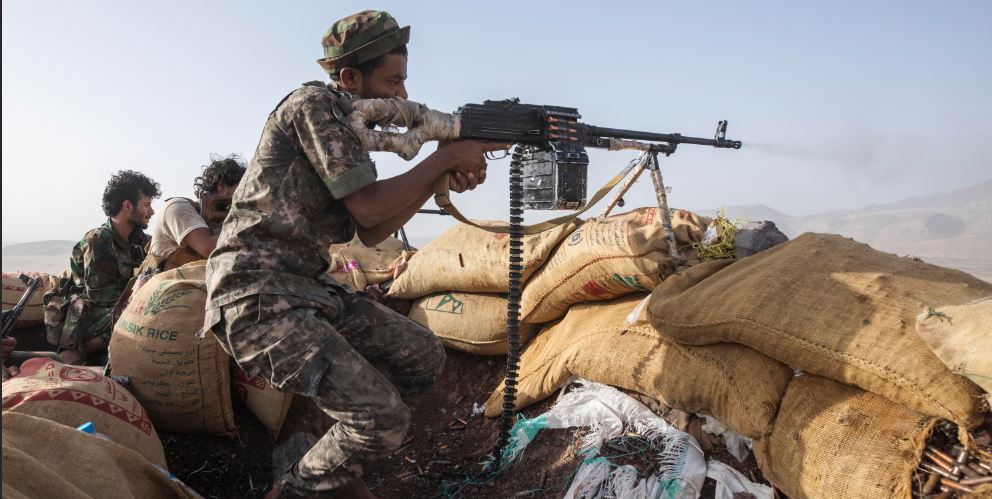

Cairo, Jan. 18: Amid Yemen’s longest-ever pause in fighting — more than nine months — Saudi Arabia and its rival, the Iranian-backed Houthi rebels, have revived back-channel talks, hoping to strengthen the informal cease-fire and lay out a path for a negotiated end to the long civil war, according to Yemeni, Saudi and U.N. officials.
The quiet is fragile, with no formal cease-fire in place since a U.N.-brokered truce ended in October. It has been shaken by Houthi attacks on oil facilities and fiery rhetoric from Yemen's internationally recognized government, allied with Saudi Arabia, which complains it has so far been left out of the talks. Lack of progress could lead to a breakdown and a renewal of all-out fighting.
But all sides appear to be looking for a solution after eight years of a war that has killed more than 150,000 people, fragmented Yemen and driven the Arab world’s poorest country into collapse and near starvation in one of the world’s worst humanitarian crises. Saudi Arabia restarted indirect exchanges with the Houthis in September, when it became clear the U.N.-brokered truce wouldn’t be renewed. Oman has been acting as intermediary.
“It’s an opportunity to end the war,” a U.N. official said, “if they negotiate in good faith and the talks include other Yemeni actors.” Like other officials, the U.N. official spoke on condition of anonymity because of the fragility of the talks.
A Saudi diplomat said his country has asked China and Russia to exert pressure on Iran and the Houthis to avoid escalations. Iran, which has been regularly briefed on the talks by the Houthis and the Omanis, has so far supported the undeclared truce, the diplomat said.
Yemen’s war began when the Houthis descended from their strongholds in northern Yemen and seized the capital of Sanaa in 2014, forcing the internationally recognized government to flee to the south then into exile in Saudi Arabia. (AP)