- Wednesday, 8 April 2026

Nepal’s Foreign Policy Promotes World Peace
Nepal's foreign policy strives to advance and defend national interests while also preserving the national sovereignty, territorial integrity, and independence. By utilising its foreign policy effectively, another goal is to improve the country’s economic well-being and prosperity. Our nation's foreign policy, in a significant way, aspires to promote world peace, harmony, and security. It is noteworthy that the nation's foreign policy is founded on the idea of peaceful coexistence, which seeks to uphold mutual equality, other countries' territorial integrity and sovereignty, non-interference in other peoples' internal affairs, non-aggression, peaceful dispute resolution, and collaboration for mutual benefit while promoting and carrying its policy into practice. Meanwhile, Nepal consistently supports the UN Charter and lays a higher priority on ensuring and sustaining international peace.
Our constitution also enshrines the ideals of Nepal's freedom, sovereignty, territorial integrity, nationality, independence, and national dignity, which are our basic components of national interests. Our national interests, which our foreign policy seeks to safeguard and advance, also include the rights of the Nepali people, border security, economic growth, and the country’s overall well-being. Article 51 of our constitution explicitly outlines that United Nations Charter, non-alignment, the Panchasheel principles, international law, and the standards of global peace are the significant components of our independent foreign policy. The Nepali state has the full authority to steer its international relations in a way that advances and defends all of the aforementioned aspects of our foreign policy.
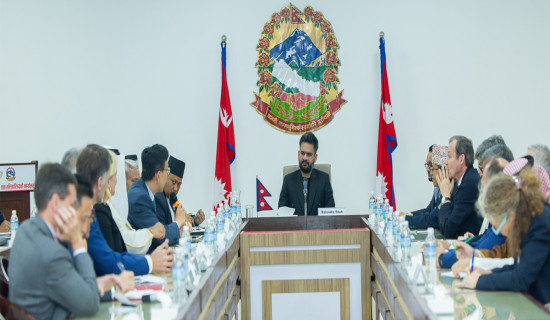
Prime Minister Sher Bahadur Deuba recently discussed the fundamental characteristics of Nepal's foreign policy while launching a programme hosted by the Policy Research Institute in the capital. He told the audience that Nepal's sovereign equality, territorial integrity, mutual interests, and benefits have guided the country's behaviour with regard to its international relations. He also said that the UN Charter, values of global peace, non-alignment, and international laws also serve as a guide for the country's foreign policy. Nepal has consistently supported a global order that is fair, just, and inclusive. Our nation advocates for an international order that upholds the UN Charter's tenets and supports the UN's multilateralism.
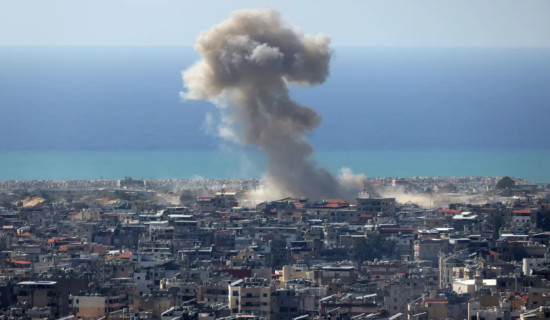
Importantly, Nepal enjoys cordial relations with its neighbouring countries, major powers, development partners, and the host countries for its migrant labour. Nepal has been harmed by the COVID-19 pandemic and conflicts that have stressed the world economy and people's livelihoods while having a foreign policy that encourages multilateralism and amicable relations. In addition, the start of the conflict between Russia and Ukraine has resulted in an unprecedented rise in the prices of food, gasoline, and chemical fertilisers, which calls for close international cooperation. Nevertheless, in recent years, there has been a breach in the world's peace as a result of wars, civil wars, disease outbreaks, and tensions in some nations' relations. Consequently, the world peace and order is now threatened and threats of old era Cold War have come to haunt the world. At the current crucial time, it would be prudent for Nepal, which seeks to promote world peace for its own good, must keep on adhering to non-alignment movement, Panchasheel's tenets, international law, and global peace norms in order to avoid any crisis approaching its doorstep, which will best serve the interests and advantages of Nepal.

-original-thumb.jpg)
-original-thumb.jpg)