- Sunday, 12 April 2026

Patients of sickle cell anemia on the rise in Banke
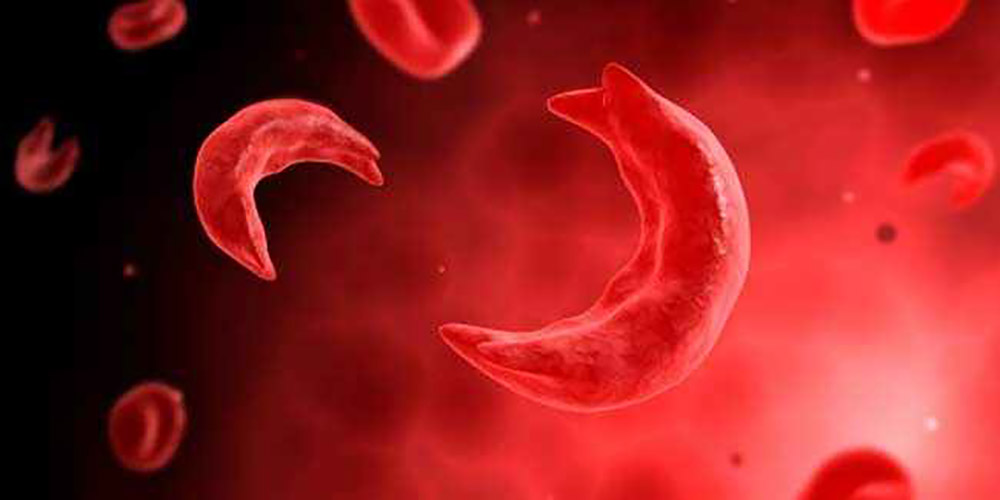
Nepalgunj, June 27 (RSS): Patients of sickle cell anemia and thalassemia are on the rise, especially in the Tharu community in Banke.
It was detected during medical
screening of sickle cell anemia along with thalassemia in the areas having the majority of the Tharu population.
According to the District Health
Office, Banke, the number of patients diagnosed with sickle cell has reached 23 in
Raptisonari rural municipality.
As details of the people examined
for sickle cell has yet to be collected from other municipal units, an aggregate
number of the survivors has not been ascertained in the district, said Health
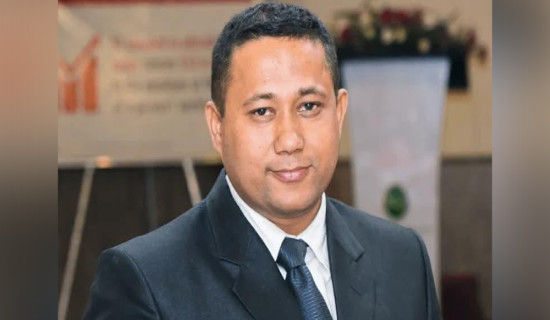
Office Chief Dhiraj Jung Shah.
Though free treatment has rendered
relief to the patients of sickle cell anemia to some extent, the measure has
not relieved the survivors of thalassemia, he further shared.
Even it has not been ascertained
how many people are surviving with thalassemia. The screening was carried out among
the students of grades 9 and 10 of the Tharu community in Raptisonari. It is still
ongoing, he shared.
Some of the patients commented that
they have to spend tens of thousands of rupees for treatment in private health institutions
after complaining of several physical complications.
The survivors have been facing
trouble in their treatment when they were not aware of government-sponsored
treatment up to Rs 100,000.
Ram Krishna Tharu, 28, of
Raptisonari Rural Municipality-4, Bijapur in Banke said he was not informed
of government arrangements for free treatment to the sickle cell anemia
survivors. He added he has spent a huge chunk of money on treatment at private
hospitals.
Sickle Cell specialist Dr. Rajan
Pandey said patients are being compelled to spend tens of thousands of rupees
even after their diagnosis. He said the blood test was the permanent solution to sickle cell anemia.
Apart from Raptisonari rural
municipality in the district, Kohalpur municipality also has witnessed the same
health issue. Authorities said the overall situation of the district can be
ascertained only after collecting data from all local levels.
It was shared that 96 people were
diagnosed with sickle cell anemia and thalassemia when blood samples of 572
people were tested in a screening camp organized by the health office.
-original-thumb.jpg)

-original-thumb.jpg)
-original-thumb.jpg)