- Thursday, 28 May 2026


The Rising Nepal
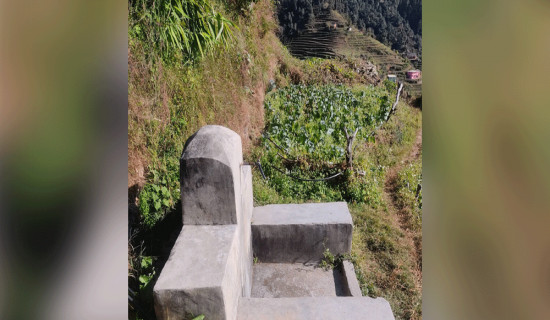
Dhulidhar reeling under water supply problem
Pallo Dhulidhar of Surnaya Rural Municipality of Baitadi district is reeling under the acute shortage of drinking water. Most of the women here are suffering from uterine prolapse, but they are compelled to walk two hours to fetch water every day.
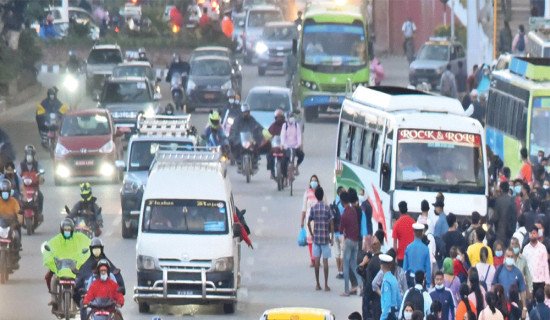
Fuel consumption falls in electioneering period
Consumption of petroleum products has, of late, started decreasing even though the election activities are on rise in the country. According to Nepal Oil Corporation (NOC), consumption of petroleum products in the current fiscal year has fallen compared to the last fiscal year. Earlier, during the festivals and local level elections, an increase in the consumption of petroleum products was noticed, but the consumption has not
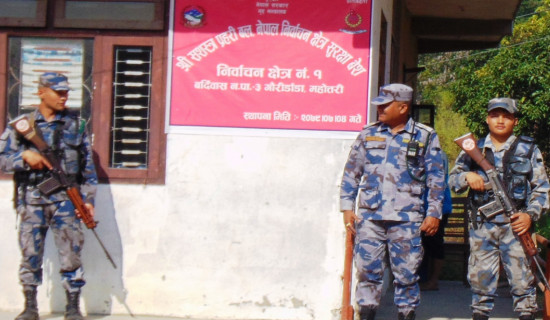
Election-centric security tightened in Mahottari
As the date of the election for the House of Representatives and Provincial Assemblies is just days away, the security and the government officials have started tightening the security arrangements in Mahottari district.
Europe’s ‘Era Of Far Right’
This time, this scribe would like to touch upon a development that has given a jolt to Europe’s traditionally ruling parties, now finding themselves not only out of government but witnessing rightwing and far right teams governing their countries. The “moderate”, “centrists”, “left” and “liberals” have been swept out from the helm of the state affairs.
Party Manifestoes: Tourism In Priority
With the outbreak of COVID-19 in late December 2019 and frequent emergence of different variants and sub-variants of the coronavirus, tourism has remained one of the worst-hit worldwide. However, this fragile but resilient sector has begun picking up slowly in many countries, including Nepal, since the beginning of 2022. Tourism is such a sector that has manifold effects on the national economy.
Provinces Can't Fall In Electoral Shadow
With only less than a week left in run up to the elections of federal and provincial parliaments, the country is now witnessing the poll campaign running at its peak. This is the second general elections being held under the new constitution promulgated in 2015. On November 20, Nepalis will vote to elect 275 members of the House of Representatives (HoR) and 550 provincial assembly members. Altogether 60 per cent of the seats o
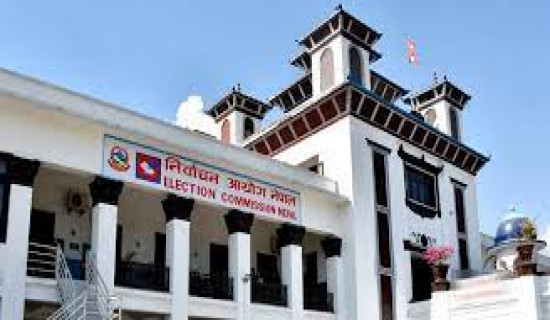
District Election Offices asked to take action against code violators
The Election Commission (EC) has instructed the District Code of Conduct Monitoring Committee to ensure and inform the political parties and candidates not to conduct any campaign and promotion programme regarding election 48 hours prior to the Election Day until the counting of votes is completed. The EC has issued the instruction according to Sub-
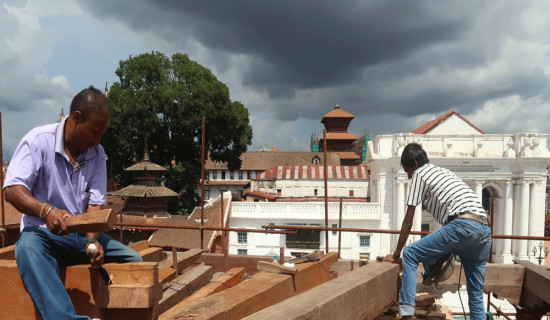
Reconstruction work of Maju Dega resumes
Reconstruction work on Maju Dega, the three-storied temple of Hanumandhoka Durbar Square, has resumed after the contract term of the project was extended. The Hanumandhoka Durbar Area Conservation Programme Office (HDACPO) has extended the contract term till April 2023.

Ford launches 2nd generation Ranger Raptor in Nepal
Ford has launched its second-generation Ranger Raptor in the Nepali market. It comes with new features to tackle off-road terrain. Paired with a 10-speed automatic transmission tuned to meet Ford Performance standards, the next-gen Ranger Raptor’s new engine delivers effortless acceleration on gravel, dirt, mud and sand, said the company.
Universe Is Small 'Piece' Of Giant Multiverse
We are accustomed to believe that our Universe includes the entire universe together with time, space and numerous constellations and galaxies. However, this is most likely not the case, and it is just a relatively small "piece" of the giant Multiverse. Scientists have been talking about this more and more lately.
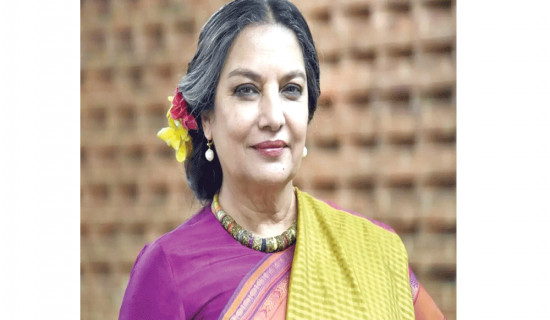
Bollywood actress Shabana Azmi to inaugurate NITFest
Shabana Azmi, India's one of the most acclaimed actresses, is coming to Nepal to participate in the 2nd edition of the Nepal International Theatre Festival (NITFest 2022). Issuing a press statement on Sunday, organiser Mandala Theatre informed that they have invited Bollywood actress Azmi as a special guest for the inauguration of the festival. The theatre festival will start on November 25.
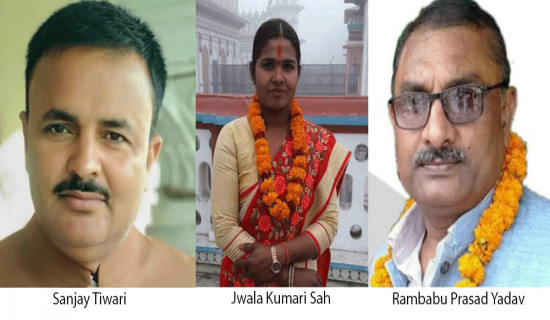
Voters grilling candidates about past performances
Voters of Constituency 3 of Bara district have started demanding a detailed list of development works done by the previously elected representatives when they arrive in their homes asking for votes. “The previously elected lawmakers and provincial assembly members have filed their candidacies for the upcoming elections as well.
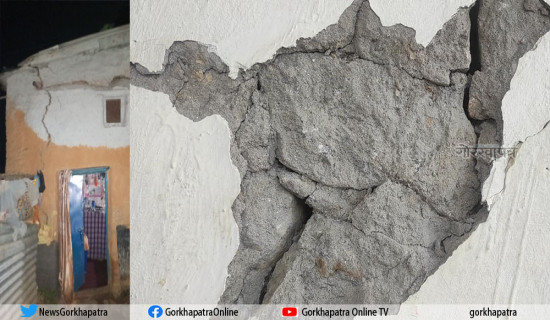
Khaptad area experiences 503 tremors in five days
The National Earthquake Monitoring and Research Centre (NEMRC) has said that 503 small to big earthquakes have occurred in the last five days, making Khaptad National Park area the epicentre since November 8.

NT’s election offer: 20 GB data available at Rs. 294
Nepal Telecom has provided an election offer for sharing information and receiving election results of the forthcoming elections to the House of Representatives and Provincial Assemblies.
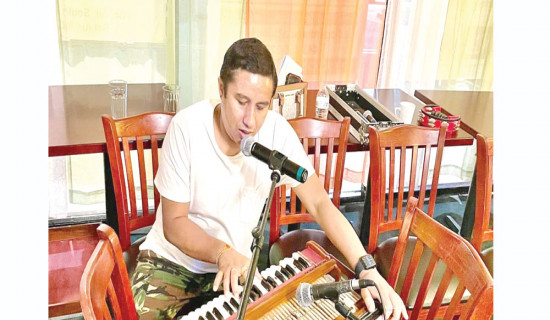
Raju Dhungel comes up with Maitighar
Artist and singer Raju Dhungel's song Maitighar based on original 'Panchebaja Bhaka' has hit the market. Singer Raju Nepali has also lent his voice to the song. Born in Okhaldhunga, Dhungel composed the song based on the 'Panchebaja Bhaka' played in the eastern districts like Okhaldhunga, Khotang, Taplejurung, Bhojpur, Panchthar.