- Tuesday, 21 April 2026

Resource crunch cripples postal service amid new revival plan
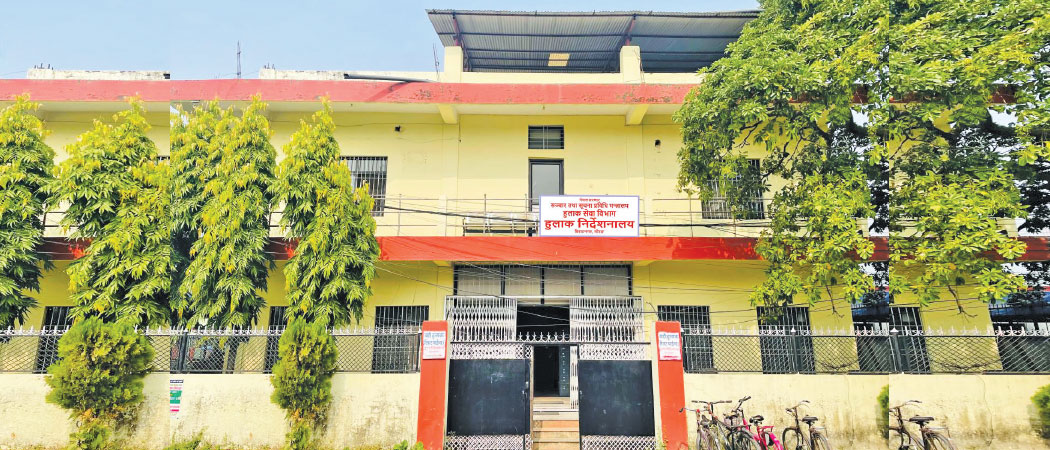

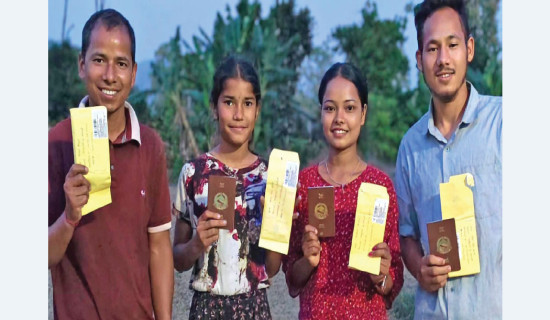
BY SASHIDHAR PARAJULI, Biratnagar, Apr. 21: The government has decided to activate post offices to bring public services closer to citizens’ doorsteps. Under this plan, important official documents such as citizenship certificates, passports, driving licenses, and national identity cards will be delivered to homes through the postal system. However, given the current condition of post offices—strained by a lack of resources, infrastructure, and manpower—the immediate effectiveness of this initiative appears uncertain.
At the Postal Directorate in Biratnagar, no official directive or communication has yet been received regarding the delivery of such government documents. The office is still operating with traditional letter services and limited parcel delivery. Although there have been efforts to modernise the postal system in line with technological advancements, progress has been slow due to inadequate infrastructure.
The directorate has arrangements to send parcels to 27 countries worldwide, but services are currently active in only 20 countries. Ongoing conflicts and wars in some Western nations have halted services to seven countries. Due to inefficiency, the office receives only four to five international parcels per month, resulting in minimal revenue. District and local-level post offices are not authorised to accept parcels for international delivery.
Deteriorating condition and delivery delays
The Biratnagar Postal Directorate receives an average of 2,000 letters per month from both government and private sectors. A similar number of letters arrive from other regions for distribution within Morang and Biratnagar. To handle this workload, the office has only 35 staff members, including nine postmen—most of whom are employed on a contract basis. They lack government-provided vehicles for delivery.
Some staff deliver letters on foot, while others use their personal motorcycles to reach neighborhoods. Due to the lack of transportation and fuel, it often takes weeks for letters to reach their intended recipients. The post box service, once widely used, is now nearly defunct. Although it still has 164 regular users, it is no longer functioning effectively.
Postal offices operate across all 14 districts and 137 local units in Koshi Province, with a minimum of three staff members at each local office. Despite heavy workloads, services remain slow due to a lack of basic facilities and technology. Some local post offices do not even have the means to deliver letters. Although efforts are made to distribute mail on the same day it is received, delays persist.
For instance, a letter sent from Kathmandu takes at least a week to reach the recipient in Biratnagar. After dispatch from Kathmandu, mail is routed to Chitwan, from where it is transported to the directorate three times a week. The following day, postmen collect and deliver it. While motorcycles are essential for timely delivery, only a few staff have access to them. Five motorcycles were destroyed during the Gen Z movement, and only three have since been replaced—these are mostly used for inter-municipality duties, further delaying local delivery.
Waiting for revival
Despite the government assigning additional responsibilities, staff remain uncertain due to limited resources. However, Nayeb Subba Bhojraj Niraula said they are ready to implement the government’s decision and are hopeful that necessary manpower and resources will be provided.
Currently, the bulk of postal work involves delivering letters from private banks. According to Dipendra Katwal, a first-class non-gazetted officer, most correspondence comes from courts, land revenue offices, district administration offices, and legal cases, while personal letters have become extremely rare.
While the government has entrusted the postal service with new responsibilities to modernize and improve efficiency, the lack of adequate resources poses a serious challenge. Without sufficient investment in transportation, infrastructure, and technology, timely delivery of government documents and the revival of the postal system will remain difficult to achieve.