- Sunday, 7 June 2026

Nepal Embassy marks International Wellness Day in Beijing

By TRN Online,
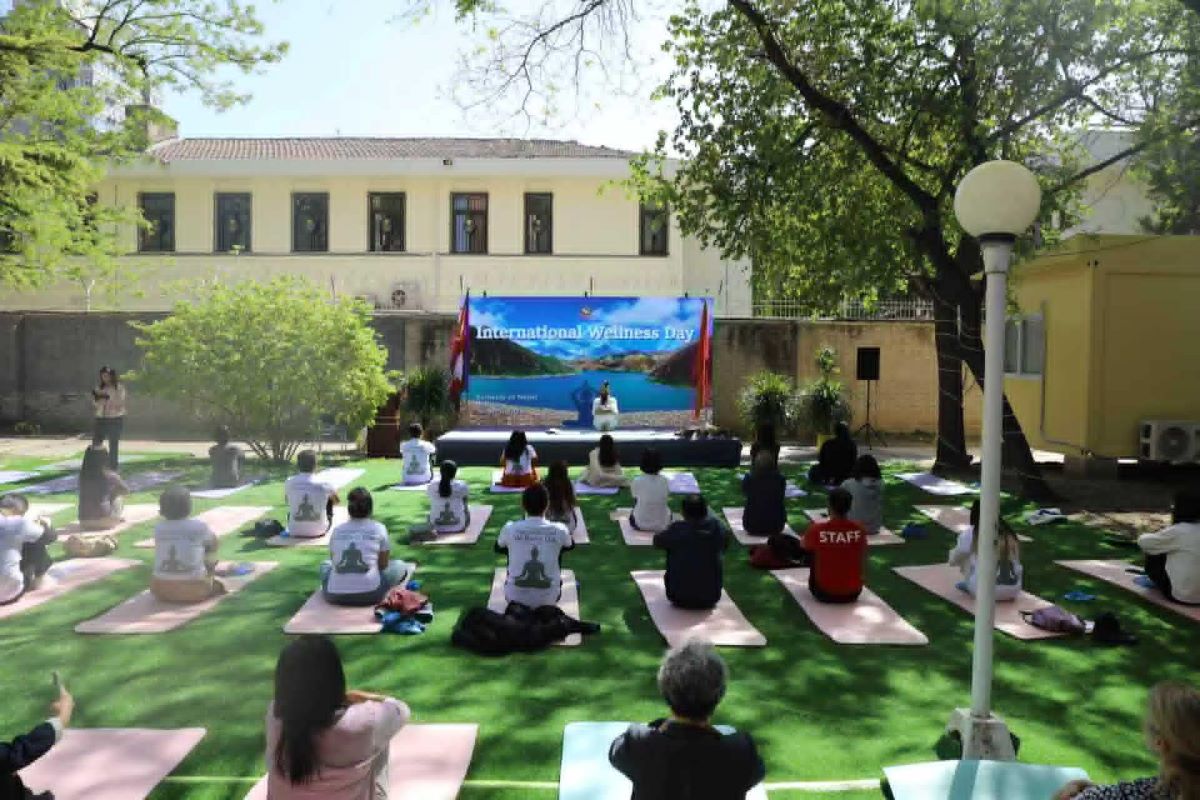
Kathmandu, April 20: The Embassy of Nepal in Beijing hosted an event
celebrating the International Wellness Day at the Embassy premises
today.
The purpose of the
event was to promote awareness about wellness practices to advance the quality
life and collective wellbeing while establishing Nepal as a prime wellness
destination.
The United Nations
General Assembly in March this year adopted the resolution proposed by Nepal to
observe April 15 as the “International Wellness Day”.
Delivering welcome
remarks, Chargé d'affaires Roshan Khanal highlighted the importance of wellness
in saving lives, reducing financial burden on healthcare and strengthening
global health systems, ultimately contributing to the implementation of the
Sustainable Development Goals, according to the press release issued by the
Embassy.
She informed about
Nepal celebrating “Nepal Wellness Year 2027”. The CDA encouraged the
participants to visit Nepal for wellness tourism citing Nepal’s glorious
richness in the majestic mountains, long preserved traditional practices,
mindfulness, resilience and wellness amenities. The special video message by the
Minister for Foreign Affairs of Nepal was also presented on the occasion.
On the occasion, Chief
Guest Wang Xin from the Ministry of Foreign Affairs of the People’s Republic of
China appreciated the magnificent natural resources and rich cultural heritages
of Nepal. He expressed the willingness of China to deepen cooperation in health,
wellness and ecological tourism steering the region to building a
trans-Himalayan wellness tourism corridor, according to the press release.
The participants
experienced a session comprising yoga, pranayama, meditation and singing bowl
healing guided by Guru Amar (Ramesh Sitaula). The participants also enjoyed the
traditional and organic Nepali cuisine including bara, buckwheat Momo, sprouted
chickpeas and beans, among others.
The program was
attended by approximately 70 participants including from Ministry of Foreign
Affairs of the People’s Republic of China, National Administration of
Traditional Chinese Medicine, diplomats from different embassies based in
Beijing, representatives from different Chinese organizations and Nepali
community, media as well as the Embassy officials.
-original-thumb.jpg)