- Tuesday, 9 June 2026

Air Pollution: Nepal’s Silent Killer

Air pollution has become a serious public health crisis in Nepal. Yet, despite its devastating consequences for human health, the economy, and the environment, policymakers and the public alike continue to neglect it. Air pollution is a slow and invisible threat, but its impact is profound, persistent, and perilous.
According to the Ministry of Health and Population, due to air pollution, approximately 42,000 people die in Nepal annually. Children under five are about 21 per cent. Children are vulnerable to polluted air because their lungs and immune systems are still developing. While elderly people and individuals with pre-existing illnesses are also at risk, the high child mortality underscores the urgent need for decisive action.
Air pollution levels in Nepal are estimated to be eight times higher than the limits recommended by the World Health Organization (WHO). Major urban areas, especially the Kathmandu Valley, frequently record dangerously high levels of particulate matter in the air. On 12 March 2026, the Air Quality Index (AQI) in Nepal reached 185.
An AQI value between 0 and 50 is considered healthy, 51 to 100 moderate, and between 101 and 150 harmful for sensitive groups, including children, the elderly, and individuals with respiratory or cardiovascular diseases. Any reading above 151 is unhealthy. Experts estimate that if Nepal were able to reduce its air pollution to within the standards recommended by the WHO, the average life expectancy of Nepalis could increase by approximately 3.3 years.
Air pollution causes approximately 7.9 million deaths worldwide. Around 90 per cent of these deaths occur in low- and middle-income countries, where rapid urbanization, weak regulatory systems, and limited environmental management capacity exacerbate the problem.
Causes
Several factors contribute to worsening air pollution in Nepal. One of them is vehicular emissions. Over the past two decades, the number of private vehicles in Nepal has increased dramatically. Many vehicles are old and poorly maintained, and release high levels of harmful pollutants into the atmosphere.
Traditional brick kilns release large quantities of particulate matter and toxic gases into the air. Although cleaner technologies are available, their adoption has been slow due to weak enforcement of environmental regulations. Another major contributor is dust pollution, especially from construction sites sans adequate dust-control measures. Unpaved or poorly maintained roads allow fine dust particles to become airborne with passing vehicles.
In many municipalities, inadequate waste management systems lead residents to burn garbage, plastics, and agricultural residues in the open. This practice releases toxic chemicals and fine particulate matter that can travel long distances in the air. Seasonal forest fires also cause pollution. The widespread use of pesticides and insecticides in agriculture also contributes to chemical pollution in the air.
Beyond these causes lies a deeper structural challenge: weak governance. In many cases, environmental regulations exist but are poorly enforced. Corruption, lack of monitoring capacity, and limited accountability allow polluters to operate without facing meaningful consequences.
Continuous exposure to polluted air significantly increases the risk of respiratory diseases such as asthma and chronic obstructive pulmonary and cardiovascular diseases, including heart attacks and strokes. Long-term exposure has been linked to high blood pressure, diabetes, cancer, memory loss, and cognitive decline.
Medical experts warn that children exposed to high levels of air pollution are more likely to suffer from frequent respiratory infections, reduced lung development, long-term cardiovascular problems, higher rates of illness, an increased risk of childhood cancers, delays in brain development, weak immune systems, and higher rates of malnutrition.
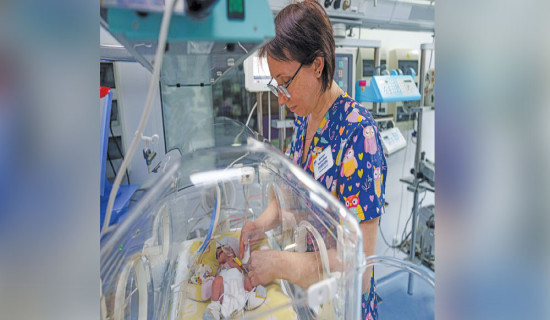
Pregnant women exposed to polluted air face a higher chance of giving birth to low-weight babies. Air pollution has also been linked to anaemia, infertility, gestational diabetes, and mental health problems. Air pollution extends beyond immediate illness and affects long-term human development.
Way out
Addressing Nepal’s air pollution crisis requires strong political commitment and a comprehensive, multi-sectoral strategy. Improving governance and enforcing environmental regulations strictly must be the priority. Authorities must improve road infrastructure, ensure proper paving and maintenance of roads, and enforce dust-control measures at construction sites to reduce dust pollution. Regular street cleaning and improved urban planning can significantly reduce airborne particulate matter.
The government should gradually phase out vehicles older than 15 years, which tend to produce higher levels of emissions, and policies should provide strong incentives to adopt electric vehicles. Nepal has significant potential to promote electric mobility thanks to its abundant hydropower resources.
Nepal must invest in increasing electric buses, developing railways, and promoting ropeways and cable cars for transportation in hilly areas, which could significantly reduce reliance on small private vehicles. A shift toward mass transportation would reduce pollution and improve urban mobility and energy efficiency.
Traditional brick kilns should be replaced with low-emission kilns. Strong monitoring systems should ensure that industries comply with environmental standards. Municipalities must strengthen waste management systems to eliminate open burning of garbage. Proper waste collection, recycling, and disposal mechanisms are essential for reducing toxic emissions from burning plastics and organic waste.
Education and public awareness are equally important. Schools can teach children about environmental protection, health, and sanitation. When young people understand the dangers of pollution, they are more likely to adopt environmentally responsible behaviours and encourage change within their communities.
Air pollution is not merely an environmental issue— also a public health emergency and a development challenge. The costs of inaction are enormous. If Nepal fails to act decisively, future generations will inherit an environment that is increasingly harmful to their health and well-being.
However, the situation is not irreversible. With strong leadership, effective governance, and collective public commitment, Nepal can significantly improve its air quality. Cleaner transportation, stricter regulation of industries, better urban planning, and widespread environmental awareness can together transform the country’s air from a silent killer into a shared public good.
(Sedhai is a freelance writer.)