- Saturday, 2 May 2026

Beyond Border Checks
 Mandira Yonjan Tamang
Mandira Yonjan Tamang
Mandira Yonjan Tamang
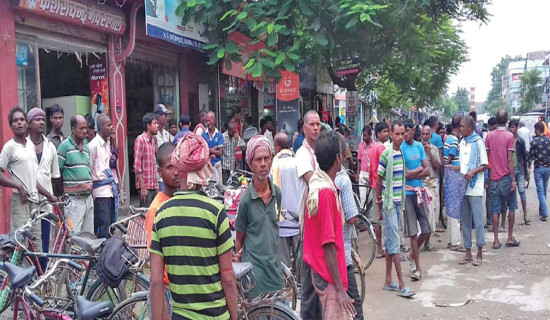
There have recently been news reports that surveillance against the Nipah virus has been increased at western border checkpoints with India following its detection in that country. Health desks have been activated at key entry points, staff have been oriented, and isolation wards from the COVID-19 period are reportedly on standby. These are important and responsible steps.
But as a country that has already lived through the trauma of a pandemic, we must ask ourselves an honest question: Is this enough?
Nipah virus is not a minor infection. It is a serious and often deadly disease that spreads through fruit bats, pigs, and close contact with infected people. Outbreaks in South Asia have shown how quickly it can turn into a public health emergency. With Nepal’s open border with India, where thousands cross daily for work, trade, and family visits, we cannot assume that the virus will remain someone else’s problem.
Border monitoring is necessary, but it cannot be our only shield. A person carrying the virus may not immediately show symptoms. Fever checks alone cannot guarantee safety. If we rely solely on screening at entry points, we may create a false sense of security.
The truth is, the COVID-19 pandemic taught us painful lessons. We saw hospitals overwhelmed. We saw families desperate for oxygen. We saw confusion, fear, and misinformation spreading almost as fast as the virus itself. We cannot afford to repeat those mistakes.
Preparation must go beyond checkpoints. First, people need clear and simple information. Many may not even know what Nipah is or how it spreads. Awareness campaigns through radio, social media, local governments, and community health workers can help people understand the symptoms and preventive measures. When citizens are informed, they become partners in prevention rather than passive observers.
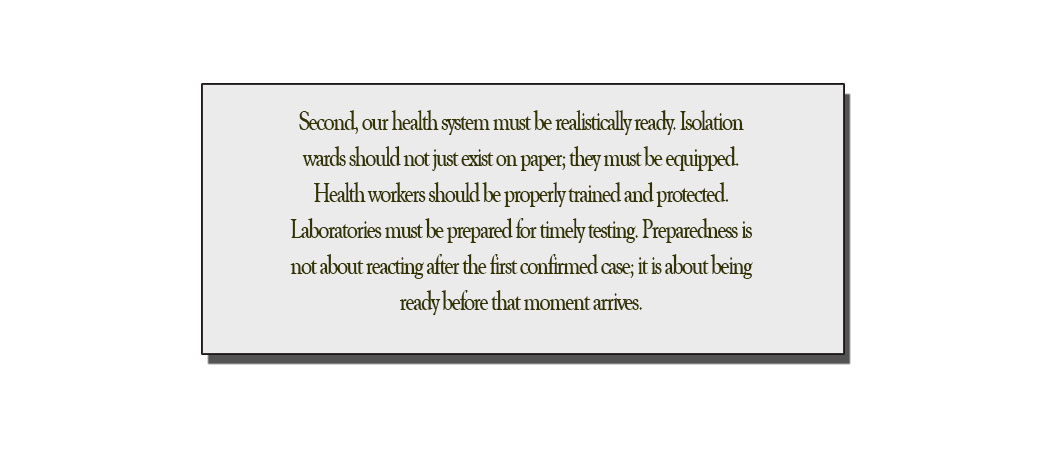
Second, our health system must be realistically ready. Isolation wards should not just exist on paper; they must be equipped. Health workers should be properly trained and protected. Laboratories must be prepared for timely testing. Preparedness is not about reacting after the first confirmed case; it is about being ready before that moment arrives.
Third, coordination among all levels of government is essential. Information must move quickly. Suspected cases must be tracked efficiently. Transparency is crucial to prevent unnecessary panic.
We must also recognise a deeper issue. Diseases caused by such viruses are part of a growing pattern of infections that jump from animals to humans. Environmental changes, deforestation, and closer human-animal contact increase these risks. Long-term prevention requires us to think not only about emergency response but also about environmental and public health planning.
It is good that authorities are alert. It shows that we are not ignoring the warning signs. But being alert is only the first step. What matters most is sustained action and genuine preparedness.
We cannot wait for the first confirmed case inside Nepal to start taking this seriously. The virus may be across the border today. Whether it crosses tomorrow depends on how responsibly we act, not out of fear, but out of wisdom and care for our people.

-square-thumb.jpg)