- Saturday, 2 May 2026

On Waste Management
 Sugam Gautam
Sugam Gautam
Sugam Gautam
A few weeks back, a friend on Facebook asked me if I could attend a programme. I asked what it was about. He told me it was an awareness programme on sanitation, and I ended up attending it. I don't like attending programmes and seminars, but I thought the awareness programme would be worth attending.
The programme was basic but very useful. It focused mainly on land pollution and the ways to cope with it. Though I knew the pollution was surging with every passing year, I was not conscious of its consequences. Now and then, while walking along the road, we avoid stepping onto a heap of garbage. We even know it’s our fault, but we advance towards our destination without giving it a second thought.
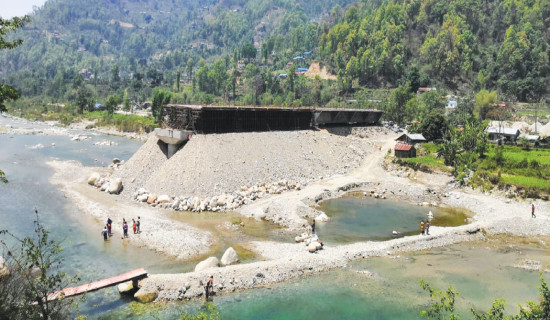
We spit when we see garbage, but we fail to think about the source from which the garbage emerges. While walking across the bridge, we can see the banks of the river covered in a thick layer of rubbish. It’s not just the banks of rivers and streets; the scene of plastic bottles and wrappers of noodles scattered everywhere is so common in this part of the world.
Keeping the surroundings clean is a basic thing, but humans have complicated it by utterly ignoring the importance of sanitation. And at the same time, no one but humans is paying the cost for it. What needs to be known is that it doesn’t require a sea of knowledge but basic ideas to keep the environment clean. It’s just a minor effort that helps humans achieve a clean environment.
One of the solutions includes reducing the purchase. When we cut down on our purchases and buy only those things that are a must, we will produce less waste. In every household, we can find materials that will never come in use. One day, while cleaning the house, we will throw them away. And it causes pollution. If we carefully purchase the supplies, the wastage will automatically reduce.
The other solution is to buy things with less packaging. Nowadays, everything from milk to vegetables comes wrapped up in plastic. Even the vegetable shops are selling wrapped items. If we cut down on buying things that use more plastic, we will produce less amount of wastage.
If we rely on using the same product for a long time instead of buying a new one, we will have less waste around us. Suppose if we use the same water bottle instead of buying it daily, we’ll have less to throw away.
Recycling the product not only helps keep the surroundings clean but also helps save money. Once the material serves its purpose and can’t function anymore, we throw it away. Before throwing anything away, one needs to think if it can be used for any other purpose than its original purpose.
Besides, every community must organise awareness programmes on sanitation. Only if one is aware of the importance of sanitation, he/she will start taking care of the environment. It’s important to keep the environment clean and healthy.

-square-thumb.jpg)