- Tuesday, 31 March 2026

Women in MSEMs for economic growth
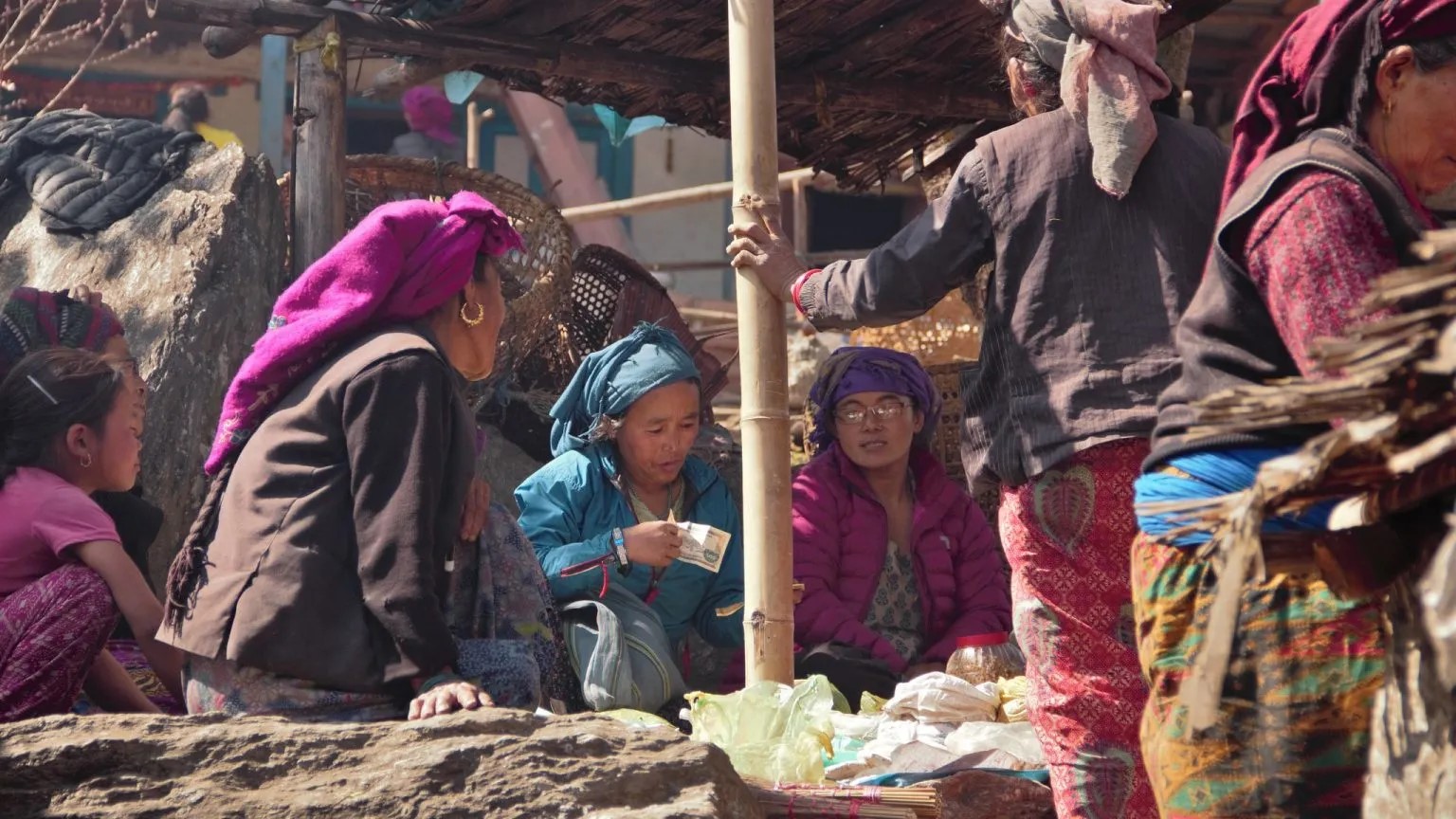
 The old paradigm of the twentieth century has now been replaced with the newer and wider model of the entrepreneurial society which aims in embracing and rewarding creative adaptation, seeking opportunity and fostering innovation. Economic growth is the most important factor for any successful economy in the long run. Economist from traditional to modern mentioned about four factors of economic growth; human and natural resource, capital formation and technology. One essential task in an economic growth and development is the fostering of an entrepreneurial spirit. Entrepreneurial activities play a critical role in the development and well-being of societies (Herrington and Kew, 2017). However, when it comes to many developed and developing nations, the rise of female entrepreneurship has lagged behind to that of men. Women- owned businesses are one of the fastest growing entrepreneurial populations in the world. They make important contribution in creating employment and innovation in an economy. Albeit the growing important of women entrepreneurs and phenomena of women entrepreneurship, there are less studies to it.
One of the fundamental assumptions of gender equality is that the women’s economic participation will lead to their empowerment and ultimately to economic growth and social progress (Kabeer, 2005). Often talked about, the economic empowerment of women, especially through participation in Micro, small and medium enterprises (MSMEs) is one of the decisive factors of economic growth. These enterprises play significant role in generating employment, diversifying income and strengthen livelihood and growth. South Asia has one of the lowest rates of female participation in enterprise ownership in the world: just 18.4 percent of firms in South Asia have some female ownership, and only 9.6 percent have majority female ownership (AFI, 2023). Micro, small and medium-sized businesses (MSMEs) in general and women owned MSMEs in specific, currently challenges numerous obstacles to establishment, operation and survival in the gender-biased and fragile yet equally competitive business environment.
At Marco level women lead over 10 million small business throughout the world. On an irony, women’s owned MSMEs have often faced enormous challenges especially in accessing financial resources compared to that of male. These barriers are largely loomed in developing economies suggesting the institutional and policy failure. Female entrepreneurs in the Global South often confront more acute constraints compared to their counterparts in developed economies due to context-specific issues such as limited access to training, informal business environments and patriarchal gender norms.
Nonetheless women in South Asia face a multitude of financial, legal, cultural, and social barriers which hinders their ability to start and develop their businesses (Asia Foundation, 2015). The United Nations recent report stresses that 80% of the women in Asia are engaged in vulnerable business due to the barriers and constraints they face in their business ventures (Agrawal, 2018).
The various studies show a systematic interaction of institutional, social and functional issues that continue to hinder women entrepreneurs, especially in low-middle income economies. Persistent although women entrepreneurs face many hurdles in accessing financial resources. One of the most common problems for MSMEs is access to financing, which gets bitter for women-owned MSMEs. According to research by Haq (2000), women in South Asia are nearly imperceptible to get finance from formal capital financing institutions and receive merely 10% of the credit’s banks offer.
Finance is regarded as the most important and crucial resource for a company’s growth and development. Equal to the male counterparts, female entrepreneurs face significant financial obstacles while trying to grow their businesses. Obtaining the loan and its lengthy process, strict collateral requirements, drawn out loan application procedures, unreliability, social conditioning etc. makes it difficult for female entrepreneurs to gain loans/finances.
Access to loans and strong banking relationships are essential for business growth, yet these resources remain less accessible to women due to gender-based perceptions held by financial institutions (Erdogan, 2019).
App based financing supported by digital tools haven’t yet reached to the women across in developing countries. Many of them have untapped from this facility due to poor technological knowledge and skills. Fintech apps are in large demand however it seems unfriendly to women in remote areas. When comes to gaining financial needs then women are generally perceived less determined ultimately referring them with smaller amount of capital compared to that of male in the society. This kind of social conditioning further hinders a women’s capacity to grow their business.
In case of developing country like Nepal, women in rural areas lack access to financial education, business trainings and female entrepreneurs are comparatively less equipped to handling their finances, prepare loan applications themselves, create business plan and effectively negotiate with the lenders. According to National census 2021, the literacy rate for women is 69.4% while that of male is 83.6%. This inhibits a women’s opportunities and obstructs their ability to navigate government and financial systems and prevents them for expressing their opinions and taking decisions.
“It is a significant obstacle, with only 19% of Nepalese women having access to formal financial services (ADB, 2023). Stringent loan requirements, such as need of collateral, further exacerbate this issue, limiting women’s ability to secure funding for entrepreneurial ventures. Although microfinance programs exist, they are often inadequate to meet the capital needs of SMEs, particularly for scaling businesses.”
Despite having multiple obstacles, there are multiple ways to increase women’s involvement in Nepal’s MSMEs sector. Initiatives towards financial literacy and inclusion, such as higher education, digital banking and mobile payment systems are viable solutions in expanding women’s access to formal financial services, especially in the rural areas. Global case studies show how such initiations could boost women entrepreneurs with reference to Rwanda’s subsidized loan programs and India’s government backed credit guarantees (ADB,2023). Financial obstacles might get lessened by modifying these models for Nepal.
Shradha Arjyal Joshi writes on politics, economics and diplomacy
-original-thumb.jpg)