- Saturday, 6 June 2026

Politicians leave out Gumba village due to difficult terrain
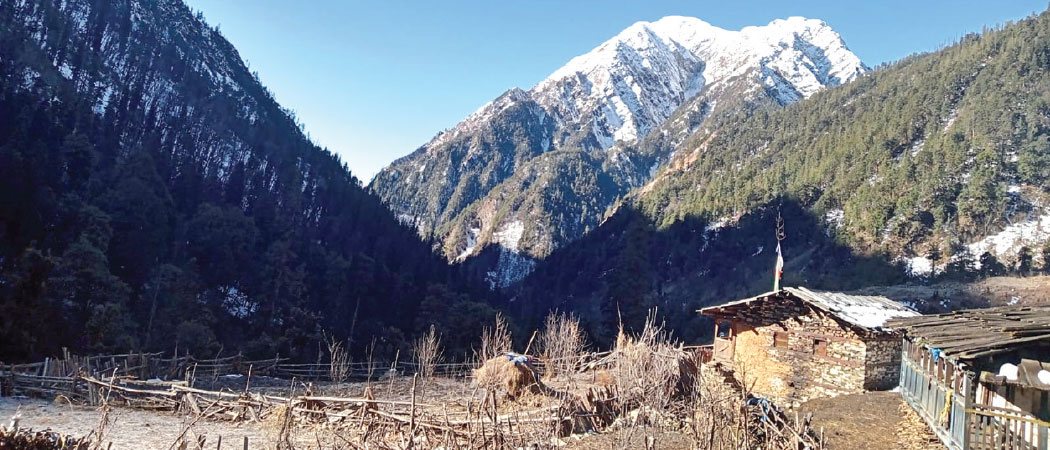
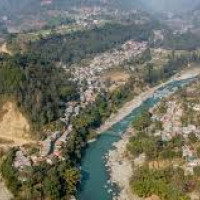
Gumba village of Bajura

By Sher Bahadur Sarki, Bajura, Feb. 16: A remote village in northeastern Bajura district remains virtually untouched by election campaigns, with candidates rarely reaching the settlements due to its extreme inaccessibility.
Gumba village, located in Himali Rural Municipality-3, lies far from the district headquarters Martadi and remains one of the most isolated settlements in the region. The village is nearly 200 kilometres away from Martadi and around 150 kilometres from the municipal centre. Reaching it on foot can take two to four days, making travel difficult even for locals.
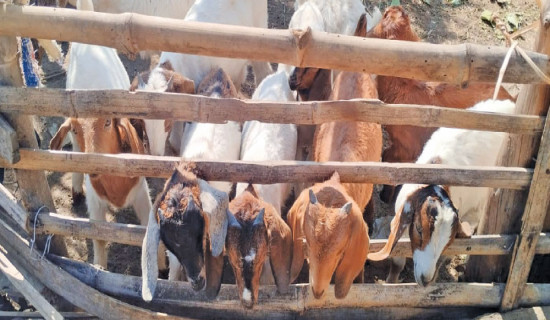
Due to the lack of road access and the dangerous terrain, election candidates have avoided visiting the village. Locals said that for generations, no candidate had visited Gumba to seek votes. The settlement has approximately 60 to 70 residents, most of whom belong to the Bhote ethnic community and rely on livestock, including sheep, goats, horses, and yaks, for their livelihood.
The absence of proper infrastructure has long isolated the village. Until a few years ago, there was not even a foot trail, and residents had to traverse steep cliffs using ropes to move in and out of the area. “Earlier, there was a massive cliff below the village that made travel extremely risky. Not only candidates, but even outsiders rarely visited,” said local Jas Bahadur Bhandari.
In 2019, the rural municipality constructed a basic foot trail to ease mobility for locals. While the trail has made travel somewhat easier, candidates still do not visit the village during elections. Residents typically vote for familiar figures without direct campaigning.
Despite its remoteness, Gumba holds cultural and tourism significance. According to locals, monks from different parts of the country visit the area every year and stay there for religious purposes. However, basic infrastructure remains severely lacking.
Bajura is considered one of Nepal’s most remote districts, and Himali Rural Municipality is among its most inaccessible areas. Within the municipality, Ward No. 3, where Gumba lies, is regarded as the most remote. Local Nari Rokaya said that even traveling to the municipal centre is difficult due to the absence of roads. “Earlier, there wasn’t even a foot trail. We had to rely on ropes along steep cliffs to travel,” he said.
A foot trail built last year has improved mobility to some extent, but residents say they still remain cut off from development. A road project worth around Rs. 50 million was once allocated by the federal government, but after the funds were withdrawn, the village continued to remain disconnected from road networks. Ward Chair Mangal Budha acknowledged that Gumba is among the most remote settlements in the municipality. He said locals previously risked their lives climbing cliffs using rope support to reach the village.
The newly built trail has helped improve access, but development remains minimal.
Himali Rural Municipality Chairman Govinda Bahadur Malla said he had visited the village during the 2022 local elections and last year as well. However, he stated that candidates contesting provincial and federal elections have not reached the area. “People are still waiting for candidates, but none have arrived so far,” he said.
Despite the absence of campaign visits, voting takes place at a polling centre located at Himal Bhakti Secondary School.
For now, Gumba’s voters continue to rely on their own judgment, casting ballots without ever meeting most of the candidates they help elect.