- Thursday, 14 May 2026

Oli vs Balen: Jhapa-5 becomes epicenter of national politics
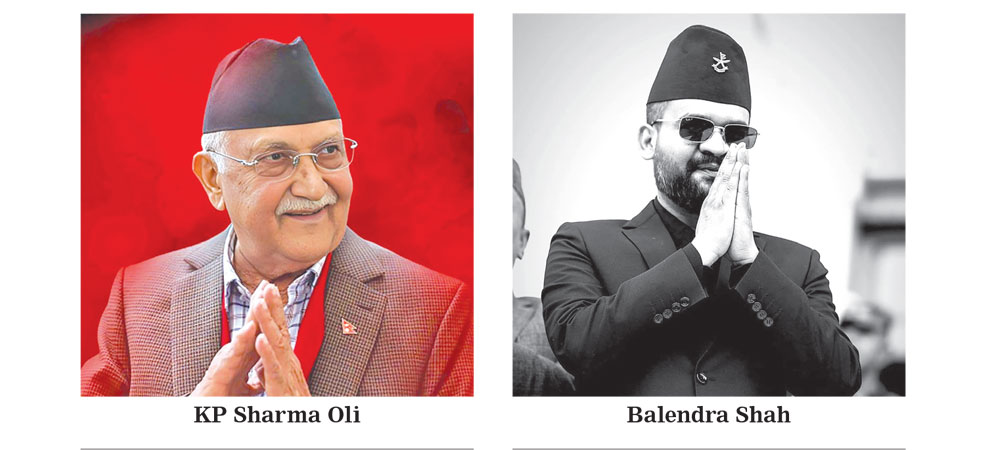

By Bishnu Prasad Pokharel, Damak, Jan. 28: Jhapa Constituency No. 5 has emerged as the most discussed electoral battleground in the country this time.
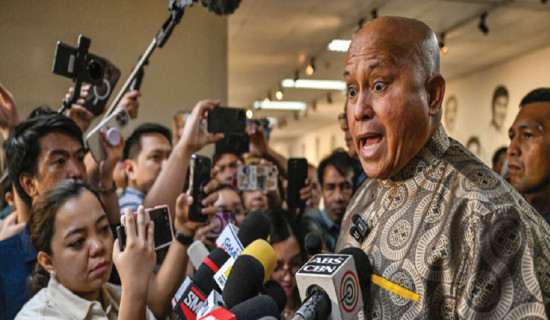
The candidacies of the CPN-UML Chairman and former Prime Minister KP Sharma Oli and former Mayor of Kathmandu Metropolitan City Balendra Shah (Balen) from the Rastriya Swatantra Party (RSP) have made this constituency an epicentre of the national political discourse.
Both Oli and Shah are contesting the House of Representatives elections scheduled for March 5, as the prime ministerial candidates of their respective parties.
From political circles and intellectual debates to social media and local tea shops, the rivalry has captivated the public. The "Oli or Balen" question has not only polarised opinion but also heightened excitement, as the election is viewed not merely as a local contest, but as a decisive battle to determine the nation's political trajectory.
The contest pits Oli’s extensive political experience, administrative history, and organisational strength against Balen’s status as a symbol of youth hope, rebellion, and urban popularity. After registering his candidacy, Oli spent four days in Jhapa, mobilising party cadres and conducting door-to-door programmes before returning to Kathmandu.
An election mobilisation committee, coordinated by former Minister Devendra Dahal, has been established to manage activities in line with the election code of conduct. Dahal noted that the party was focusing on a platform of development and nation-building, aiming to retain its traditional base while attracting new voters by highlighting past achievements and future commitments.
In contrast, Balen has adopted a more understated yet impactful approach. According to RSP Regional President Bheshraj Bhattarai, Balen recently visited a newly established liaison office in Damak-5, sparking a significant local support. Rather than holding large formal rallies or releasing a traditional manifesto, Balen has focused on direct engagement, brief conversations, and collecting suggestions from residents.
The RSP strategy appears to rely heavily on social media, direct dialogue with the youth, and a central slogan of change. Bhattarai maintains that the electorate is hungry for a shift in leadership, a sentiment they see reflected in Balen’s candidacy.
While the Oli-Balen rivalry dominates the headlines, 22 other candidates remain active in the fray. The Nepali Congress has fielded Mandhara Paudyal, the only female candidate from a major party in the constituency.
Regional President Dhundiraj Bhandari expressed optimism, claiming the party has been revitalised under the leadership of Gagan Kumar Thapa. The Congress campaign is currently prioritising social justice, employment, education, and healthcare. Meanwhile, the Nepal Communist Party (NCP) has put forward youth leader Ranjit Tamang, who is campaigning on a platform of alternative economic policies and workers' welfare, asserting that his team is reaching every household to build trust with the voters.
The Rastriya Prajatantra Party (RPP) is also contesting the seat after a hiatus of three election cycles, with candidate Laxmi Prasad Sangraula dismissing rumours of a political tie-up. Sangraula stated that his party is standing its ground on issues of religion, culture, and national identity. Additionally, Samir Tamang of the Shram Sanskriti Party is among the 24 total candidates vying for the seat. However, their campaigns have largely been overshadowed by the high-profile clash at the top of the ballot.
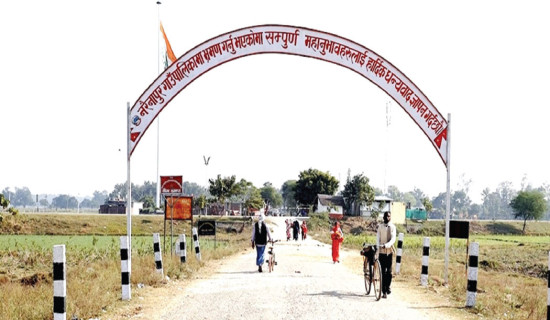
The constituency remains a demographically and politically significant constituency, characterised by a mix of rural and urban populations, ethnic diversity, and industrial importance near the border. The upcoming election will see 163,379 voters head to the polls, including approximately 10,000 newly registered voters. Given the high stakes and the profiles of the primary contenders, the outcome is expected to resonate far beyond eastern Nepal, drawing attention from both national and international observers.