- Saturday, 6 June 2026

How we failed to run our startup: Grocery Gunj


Mohammad
Aftab Sheikh
Failure is not something we like to talk about,
especially in a society where success stories are celebrated loudly and
mistakes are hidden quietly. Today, I choose honesty over pride. This is the
story of how we failed to run our startup in Birgunj, Grocery Gunj—not to seek
sympathy, but to share lessons that no textbook ever taught me.
The Beginning of a Dream
Grocery Gunj was born from a very simple idea: to
make grocery shopping easier for people in Birgunj. I come from Birgunj, a city
where families value trust, relationships, and local markets. I believed that
if groceries could be delivered to people’s doorsteps with honesty and speed,
it would solve a real problem.
At that time, my cousin and I were young, ambitious,
and full of confidence. We did not come from business backgrounds and had very
little business knowledge. We saw foreign startups similar to Grocery Gunj,
learned from YouTube and ChatGPT, and decided to start our own. We truly
believed passion was enough. With my big brother as a partner, we started
Grocery Gunj with limited capital but unlimited hope.
Building from Zero
We had no website, no mobile app, no resources, no
big office, no strong network, no family support, and no big investors.
WhatsApp Business and one bike were our main tools. Orders came through
messages, and deliveries were done by bike and sometimes even by cycle. We
rented a small office, put up posters, and felt proud just seeing our startup
name on the wall. To build customers, we chose door-to-door marketing. A small
team went from house to house, explained our service, and collected phone
numbers. On paper, the plan was very ambitious—thousands of houses in one
month. In reality, it was tiring and confusing.
Many households did not understand the idea of online
grocery delivery. Some people were illiterate, some were suspicious, and some
were simply not interested. Often, children understood us but failed to explain
the service properly to their parents. This created confusion instead of trust.
Still, we did not stop. Every phone number felt like progress. Every order,
even the smallest one, felt like a win.
Early Wins That Felt Bigger Than They
Were
For the first 15 days, we got zero orders. When we
finally completed our first few orders by delivering them ourselves, we felt
unstoppable. Delivering groceries to big apartments and using lifts felt like
entering a new world. I clicked photos, smiled proudly, and told myself, “This
is just the beginning.”
But we confused activity with growth. Yes, orders
started coming, but not regularly. Customers liked the service, but very few
became repeat customers. Our margins were thin—only 5–15 percent—barely enough
to cover delivery costs, marketing expenses, and rent. At the beginning, we did
everything ourselves. We handled design, delivery, customer support, marketing,
video creation, supplier talks, social media, and future planning. We were very
busy and working hard, but we were not working smart.
Where Things Started Going Wrong
Our first mistake was overestimating demand. We
believed people would quickly shift from traditional markets to online
ordering. But changing habits takes time, trust, and strong systems. Another
major reason was Birgunj’s open border with Raxaul. Many people save even 10
rupees by shopping in Raxaul instead of Birgunj. There was already heavy
competition—from Raxaul market, Birgunj market, and local shops—and then we
came as an online option. The second mistake was underestimating costs.
Door-to-door marketing, staff payments, rent, branding, and delivery expenses
slowly drained our money. Cash was going out faster than it was coming in. My
big brother invested around 50,000 rupees early on, but expenses were high
because the startup was new.
The third mistake was the lack of systems. Without
an app or proper software, everything was handled manually. Orders were managed
on WhatsApp, records were informal, and mistakes happened often. The fourth
mistake was our family situation. We could not give the business 2–4 years to
grow. We come from a lower middle-class family, and surviving for a long time
without stable income was very difficult. Most importantly, we lacked
experience in scaling a business. Our ideas were good and our intentions were
honest, but leadership needs more than motivation. It needs discipline,
structure, and patience.
The Emotional Side of Failure
Failure is not only financial; it is emotional.
There were nights when I questioned myself. Was I overconfident and wasting my
time in Birgunj? Did I choose the wrong business for this city? Did I waste my
brother’s and investor's money? Did I disappoint the people who believed in us?
Were we betraying our family’s trust? Watching expenses increase while revenue
stayed low was painful.
Still, we managed sales of around 5 lakh rupees in
six months and served more than 300 customers. As a young entrepreneur,
accepting that something is not working feels like accepting personal failure.
Society praises startups but rarely supports founders when things fall apart.
Slowly, I realized that continuing without a clear direction would only
increase losses.
Accepting the Truth
Closing or pausing a startup does not mean the idea
was useless or the effort was wasted. Grocery Gunj taught us real-world lessons
that no classroom ever could. Passion must be supported by planning. Ground
reality is more powerful than presentations. Cash flow matters more than vision
boards. Systems matter more than motivation. Timing and market readiness are
critical.
We did not fail because we were lazy. We failed due to inexperience, low capital, poor location fit, customer buying behavior, lack of support, family pressure, no sustainable plan, an open border market, a small city, and limited time.
What Grocery Gunj Gave Us
Even in failure, Grocery Gunj gave us clarity. We
learned how hard it is to build trust at scale. We learned the importance of
technology, unit economics, marketing, customer retention, and starting a
business from zero. We learned that entrepreneurship is not about starting
fast, but about surviving long. We also learned the importance of choosing the
right business for the right location and customers. Most importantly, we
learned humility.
Where We Are Now
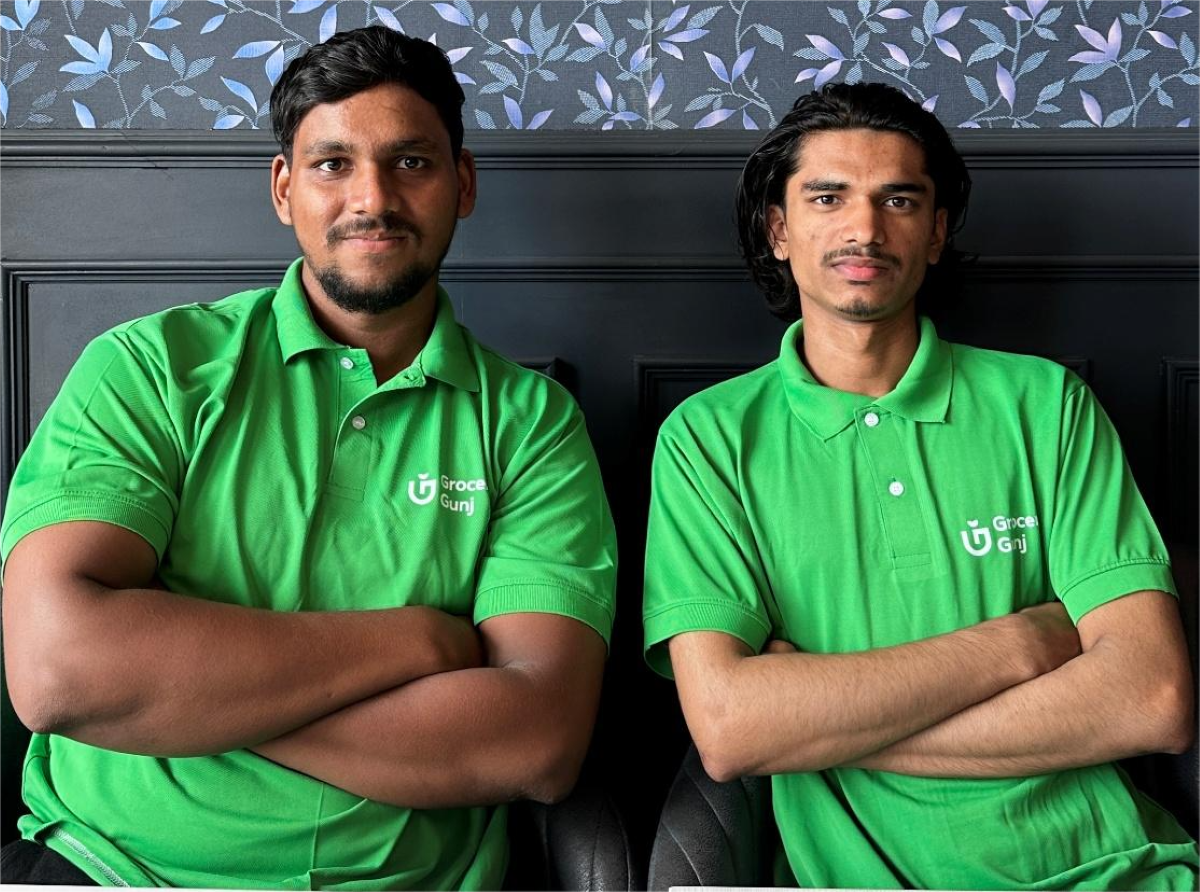
We started Grocery Gunj in January 2024 and ran it
for six months. We closed it in August after investing around 2 lakh rupees.
Our investor is satisfied, and we are also at peace because we chose to stop
instead of wasting more time and money.
Jabed Sheikh, the early investor and CEO of Grocery
Gunj, now runs his own clothing shop in Kalaiya, Bara, even though he comes
from a science background.
I, Mohammad Aftab Sheikh, completed a diploma in
civil engineering. I later redesigned and rebranded Grocery Gunj into Gogunj
AI, aiming to build Nepal’s first AI-powered everything app in Kathmandu. I
have also taken business classes under Nabil Bank’s Social Entrepreneurship
program (Nabil SSE) and currently work as a Marketing Officer at my own
college, Birgunj Institute of Technology (BIT).
A Message
to Young Dreamers
If you are
young and dreaming of a startup, do not be afraid of failure—but do not
romanticize it either. Learn before you burn money. Start small. Listen to
customers more than mentors. And know when to stop. Today, Grocery Gunj is no
longer running the way we dreamed, but the entrepreneur inside us is still
alive. This failure is not our full stop; it is our comma.
Sometimes,
losing a startup helps you find yourself. We are young entrepreneurs from Nepal
who believe that honest failure stories are as important as success stories.
Through entrepreneurship, we still believe in building a stronger Nepal,
creating jobs, and improving economic conditions.







-original-thumb.jpg)