- Tuesday, 26 May 2026

95 camera traps set in Mustang to track snow leopards
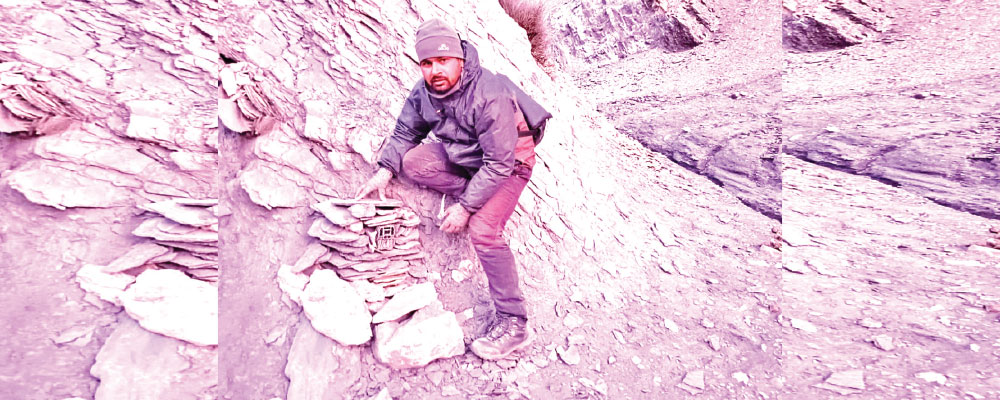

BY HARI KRISHNA SHARMA,Muktinath, Dec. 22: A total of 95 camera traps have been installed across all five local levels in the Mustang district to estimate the population and study the condition of the rare snow leopard. The initiative has been launched by the Annapurna Conservation Area Project (ACAP) in the absence of reliable district-wide data on the elusive species.
According to ACAP, 75 cameras have been installed at various locations in Upper Mustang’s Lo-Ghekar Damodarkunda and Lomanthang rural municipalities, while 20 cameras have been placed in Lower Mustang’s Thasang, Gharapjhong and Baragung Muktikshetra rural municipalities. The survey aims to assess the number, movement patterns and overall status of snow leopards in the region.
ACAP Area Office Lomanthang Chief Umesh Paudel said the cameras had been installed in and around core habitat areas of the snow leopard, often referred to as the ‘Queen of the Himalayas’, as well as in lower zones closer to human settlements. “Considering the possibility of snow leopards descending from their natural habitats toward settlements during extreme cold, camera installation has been carried out strategically,” he said.
Paudel added that camera traps had been placed in grid locations where snow leopards were sighted in the past. As Upper Mustang is believed to host a higher number of snow leopards compared to Lower Mustang, the cameras will remain installed for nearly five months, making it easier to study their condition and behaviour. Earlier, ACAP’s Jomsom Area Office had also installed 15 cameras in the high Himalayan region of Baragung Muktikshetra rural municipality based on snow leopard travel history.
Snow leopards are known to wander toward human settlements in search of food due to the scarcity of prey in their natural habitats, often causing damage to livestock. ACAP provides compensation to livestock owners every year for such losses. Conservation experts say that cameras installed during winter will help compare snow leopard activity across both winter and summer seasons.
The camera traps are not only focused on snow leopards but will also help study prey species and other wildlife found in the region. ACAP Jomsom Chief Rajesh Gupta said the cameras will assist in observing movement routes, locations, habitats and activities of snow leopards that approach villages and livestock sheds in search of food during heavy snowfall.
Snow leopards mainly prey on sheep, marmots, Himalayan hares and birds such as the Himalayan monal. Based on sightings by locals and camera footage over the past year, conservationists estimate that the snow leopard population in Upper Mustang could be encouraging. Observations suggest a higher number of adult snow leopards, possibly due to cubs separating from their mothers to avoid attacks by adult males, which are known to be aggressive.
Experts stated that female snow leopards tend to have limited movement ranges, while males can travel long distances. This behavioural pattern has contributed to increasing human-snow leopard conflict in recent years. Conservationists believe that camera trapping, along with prey conservation efforts, will play a crucial role in reducing such conflicts.
Snow leopards, known for their shy nature, primarily inhabit elevations between 3,500 and 5,500 metres above sea level. During winter, however, they are known to descend to elevations as low as 2,000 metres, increasing the likelihood of encounters with humans and livestock.