- Wednesday, 3 June 2026

Humans threatening endangered red wolves space to stay in wild
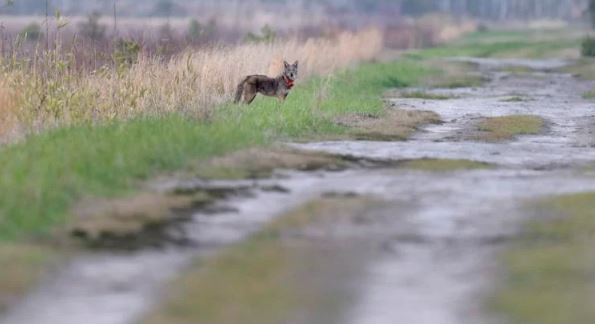

Alligator River National Wildlife Refuge, N.C., Sept. 5: Jeff Akin had to bite his tongue. He was chatting with a neighbour about efforts to protect and grow the area’s red wolf population. The endangered wolves are equipped with bright orange radio collars to help locals distinguish the federally protected species from invasive, prolific coyotes.
“If I see one of those wolves with a collar on, I’m going to shoot it in the gut, so it runs off and dies," Akin says the neighbour told him. “Because if it dies near you, and they come out and find the collar, they can arrest you.”
Akin is a hunter and the walls of his country house are lined with photos of the animals he’s killed. But what he heard made him sick.
“I wouldn’t shoot a squirrel in the stomach if I was hungry,” he says. “It’s just not humane.”
In a way, the anecdote sums up the plight of this uniquely American species. Once declared extinct in the wild, Canis rufus the only wolf species found solely in the United States was reintroduced in the late 1980s on the Alligator River National Wildlife Refuge, just across the sound from eastern North Carolina’s famed Outer Banks. Over the next quarter century, it became a poster child for the Endangered Species Act and a model for efforts to bring back other species.
“The red wolf program was a tremendous conservation success,” says Ron Sutherland, a biologist with the Wildlands Network. “It was the first time that a large carnivore had been returned to the wild after being driven extinct, anywhere in the world.”
But the wild population is now back to the brink of oblivion, decimated by gunshots, vehicle strikes, suspected poisonings and, some have argued, government neglect.
For the first time in nearly three decades, the U.S. Fish and Wildlife Service is poised to release an updated recovery plan for the red wolf. According to a draft, the agency proposes spending a quarter billion dollars over the next 50 years to rebuild and expand the wild wolf population.
“It was done once before,” says Joe Madison, North Carolina manager for the Red Wolf Recovery Program. “And we can do it again.”
But the effort depends heavily on cooperation from private landowners. And the passage of 36 years seems to have done little to soften locals’ hearts toward the apex predator.
Out here, farming and leasing land to hunters are big business. The red wolf is seen by some as competition, and a threat to a way of life on a fragile landscape already imperilled by climate change.
“They don’t belong here!” a woman shouted at agency staff during a recent public meeting on the program.
Add to that a widespread mistrust of government and the road ahead looks long and perilous for “America’s wolf.” But allies like Akin and Sutherland say they have to try.
“The red wolf, it’s ours,” Sutherland says. “It’s ours to save.”
On a recent visit to Alligator River, Madison parks his truck beside a canal, climbs out and hoists an H-shaped antenna into the air. Faint beeps emanate from a radio in his left hand as he slowly swivels from side to side.
“Based on the radio telemetry, there are six red wolves hunkered down in there,” says Madison, motioning to a patch of brush between two cleared farm fields. His bushy red-and-grey beard lends him an uncanny resemblance to his quarry. (AP)