- Tuesday, 2 June 2026

Japan defends neutrality of IAEA report on Fukushima water release plan
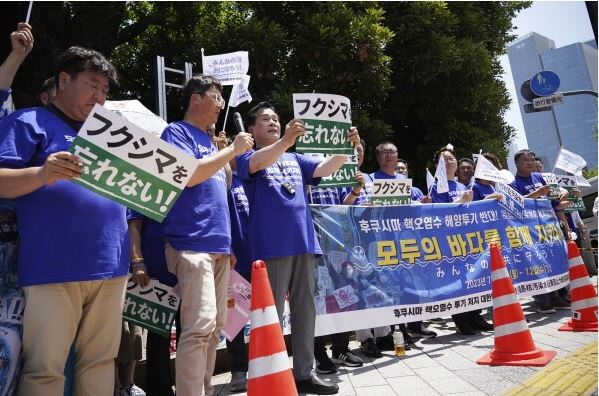

Tokyo, July 12: Japan's industry minister visited the tsunami-wrecked Fukushima nuclear power plant on Monday to see equipment that is to be used to release treated radioactive water into the Pacific Ocean to ensure the safety of the contentious plan, while demonstrators, including many from South Korea, rallied against it.
The Japanese government defended the neutrality of a report by the International Atomic Energy Agency on the wastewater release plan that concluded it meets international safety standards, denying allegations that Japan pressured the agency into publishing favourable results.
Economy and Industry Minister Yasutoshi Nishimura visited the Fukushima Daiichi nuclear plant Monday morning to see key equipment, including an emergency shutdown system, days after the Japanese regulatory authority granted a permit to the plant's operator for the release and the IAEA said the environmental impact would be negligible.
The government and the operator, Tokyo Electric Power Company Holdings, have struggled with how to manage the massive amount of contaminated water coming from the damaged reactors, which is filtered and stored in tanks. They want to release the water into the Pacific Ocean after further treatment and dilution with seawater, which they say will make it safer than international standards.
The government and TEPCO say the water must be removed to prevent any accidental leaks and make room for the plant’s decommissioning. They hope to start releasing the water this summer.
The plan is opposed by Japanese fishing organizations, which worry about the reputation of their seafood. Groups in South Korea and China have also raised concerns.
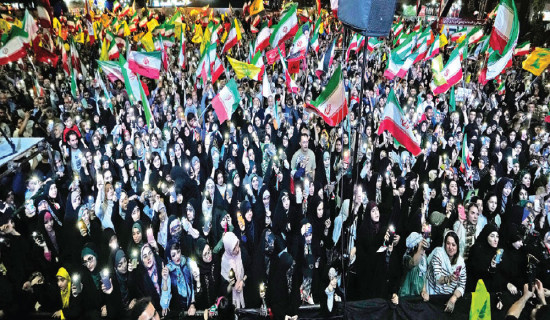
On Monday, dozens of protesters, including South Korean lawmakers and activists, rallied outside the Prime Minister's Office, holding banners saying, “Do not dump radioactive contaminated water into the sea.”
Ju Cheol Hyeon, a South Korean lawmaker, said Japan should apologize to the world for releasing “the Fukushima disaster high-level nuclear waste into the sea,” and demanded an immediate withdrawal of the plan.
“We cannot either understand or remain silent about the situation in which Japan fails to dispose of the nuclear waste within its own territory and takes the illegal and unethical action of discharging (the water) into the sea,” he said.
Japan has sought support from the IAEA to ensure the plan meets international safety standards, in hopes of gaining backing for the plan.
Some opponents at home and in South Korea have accused Japan, one of the top donors to the IAEA, of pressuring the agency into publishing only positive reviews in its report.
Japanese officials have said such accusations are groundless. Chief Cabinet Secretary Hirokazu Matsuno told a news conference that the IAEA, like other international organizations, is funded by contributions from U.N. member nations. Matsuno said Japan accounts for 7.7% of the IAEA budget — half that of China.
“The claim that cites Japanese funding and staffing at the IAEA to question the neutrality of the IAEA final report is not only completely missing the target but also shakes the significance of the existence of international organizations,” Matsuno said. “The government of Japan considers the report to be independent and neutral.”
Nishimura, who met with TEPCO executives after his plant tour, stressed the importance of safety and a quick response to any reputational damage. TEPCO President Tomoaki Kobayakawa vowed to promptly compensate the fishing community and other local businesses in case of any damage to their reputation. (AP)