- Tuesday, 2 June 2026

As health emergency ends, pandemic-era programmes have already been fading away

Washington, May 14: The formal end of the national Public Health Emergency on Thursday is largely a symbolic and psychological step, representing the country's formal emergence from the COVID-19 pandemic.
But behind the scenes, several core aspects of America's pandemic-era emergency safety net are also coming to a close, from extra food assistance to automatic reenrollment in Medicaid. While these measures were always designed to be temporary, their expiration is inevitably producing hardship and confusion.
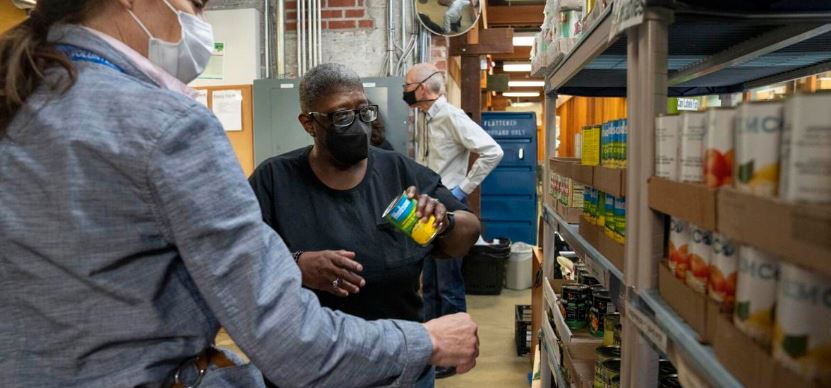
"People are starting to get their jobs back, but it's still not all the way back and everything is more expensive than before the pandemic," said Radha Muthiah, president of the Capital Area Food Bank. "The people we serve always seem to be playing catch-up."
At Thursday's White House briefing, press secretary Karine Jean-Pierre took note of the end of the public health emergency. "The work won't stop," she said, with the administration working to ensure continued access to COVID vaccines, treatments and tests and to tackle long-COVID.
During the height of the pandemic, safety net programs gave Americans a lifeline. The child tax credit was increased,unemployment benefits and food assistance were expanded, and a federal moratorium on eviction kept people in their homes even if they were unable to pay rent.
The Census Bureau reported last year that COVID relief efforts and others sharply reduced childhood poverty. But these programs have now expired.
The impact is being felt.
Perhaps the fastest shock to the system has come in the SNAP program, the monthly food-assistance vehicle commonly known as food stamps. During the pandemic, all SNAP recipients had their benefits boosted though an Emergency Allotment program. The duration of those extra payments was originally tied directly to the duration of the public health emergency, but that was changed in December 2022 and the final pandemic-boosted SNAP payments went out at the end of February.
The average family started receiving about $90 less per month in March, although some households dropped by up to $250, according to a study by the Center on Budget and Policy Priorities.
On the ground, the impact has been immediate. Muthiah said her organization distributed 13% more fruits, vegetables, meat and canned goods in March, the month after the extra SNAP benefits expired. In times of financial hardship, she said many families in need prioritize non-negotiable items like rent or gas while turning to charities to fill the holes in their food budgets.
"We're seeing a cumulative effect of things being rolled back," said Muthiah, who estimated that 300,000 families in her food bank's service area have been impacted.
In many cases, the end of the extra SNAP assistance has led to confusion and frustration. Allison Miles-Lee, an attorney with the D.C. charity Bread for the City, said there has been a spike in demand for legal services as SNAP recipients struggle to understand how their new — theoretically back to normal — monthly payment was decided. In many cases, the amounts are based on sometimes obsolete information on family size, income or number of dependents.
"A lot of people just didn't report or update their information for three years," Miles-Lee said. "Now they're panicked and just sort of flying blind."
Tina Robinson is one of those confused SNAP recipients. The 49-year-old D.C. resident used to receive $100 per month through SNAP. During the pandemic that rose to $200 per month. But starting in March, her SNAP benefits abruptly dropped to $6 and she doesn't know why. (AP)