- Wednesday, 8 April 2026

476 local levels fully electrified, 35 still out of NEA coverage
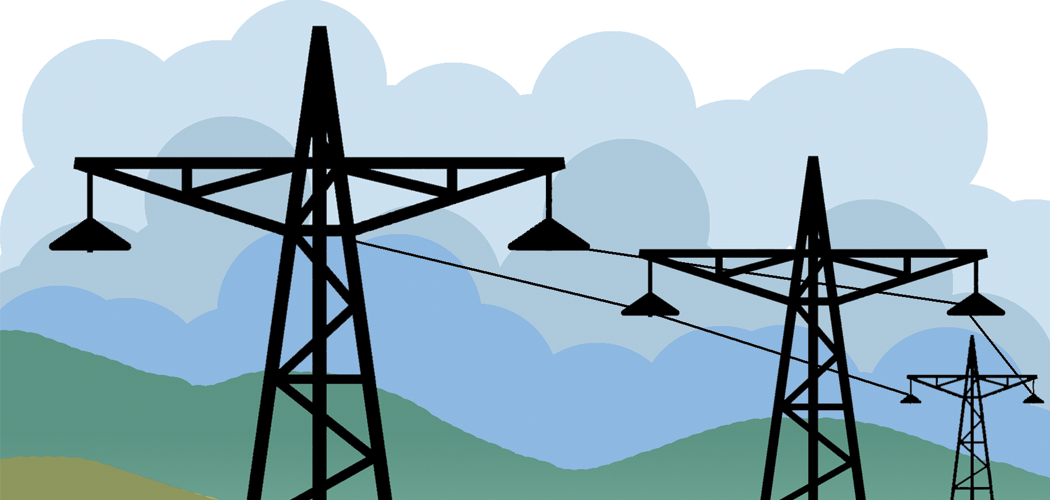
By Laxman Kafle, Kathmandu, Sept. 2: Almost 111 years after the first hydropower – Pharping Hydropower – was established by Rana Prime Minister Chandra Shumsher Rana as Chandrajyoti hydro-electric power station in Pharping, Kathmandu, in 1911, electricity has reached 92 per cent population of Nepal.
Until five years ago, Nepali people had to live braving power outage up to 18-hours a day. But now Nepal is exporting 364 MW power to India every day.
It took many years for the country to produce power to meet local demands. In next two years, remaining 8 per cent Nepali people will also get access to power supplied by the Nepal Electricity Authority (NEA).
In over a century, the installed capacity of hydropower projects has now reached about 2,200 MW with the addition of 735 MW electricity in the single fiscal year in 2021/22 alone.
According to the electrification statistics prepared by the Authority, about 92.51 per cent of the total population has now access to electricity.
Among those who have access to electricity, 92.37 per cent got electricity from the national grid and 0.14 per cent from outside the grid.
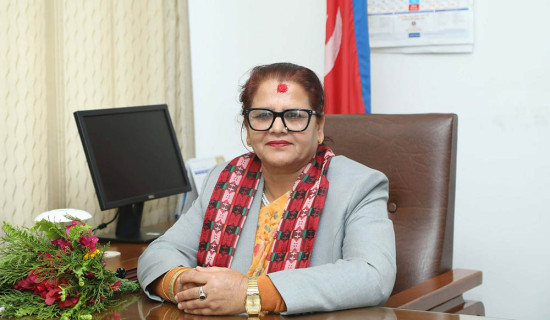
Managing Director of NEA Kul Man Ghising said that the work was being planned to fulfill the announcement of the Nepal government to provide reliable and quality electricity service to all Nepali people within the next two years.
“In the fiscal year 2015/16, only 62.16 per cent of households were electrified, but now it has reached 92.51 per cent, four of seven provinces have almost been fully electrified,” he said.
“Due to geographical difficulties, although there has been some delay in electrification in the districts of Karnali Province, now we are working with high priority to bring electricity to all households within two years. For this, we have managed the budget and called for tenders for the selection of contractors.”
Highest electrocution in Madhes Province, lowest in Karnali
Out of 753 local levels, 476 have been substantially electrified in the country. And 242 local levels have been partially electrified, said the NEA.
The company has not been able to supply electricity to 35 local levels so far.The Madhes province has the highest electrification rate of 99.95 per cent while the Karnali province has the lowest electrification rate of 56.79 per cent, according to the NEA.
About 91.23 per cent electrification has been completed in Province-1, 97.47 per cent in Bagmati, 97.76 per cent in Gandaki, 96.73 per cent in Lumbini and 78.85 per cent in Sudurpaschim Province.
District wise, out of 77 districts, 42 have been fully electrified. Jhapa, Morang, Sunsari, Dhankuta, Saptari, Siraha, Dhanusha, Mahottari, Sarlahi, Rautahat, Bara, Parsa, Ramechhap, Dolakha, Karvepalanchowk, Sindhupalchowk, Kathmandu, Bhaktapur and Lalitpur are basically electrified districts.
Similarly, Nuwakot, Rasuwa, Dhading, Chitwan, Tanahun, Lamjung, Kaski, Syangja, Palpa, Parbat, Mustang, Baglung, Gulmi, Pyuthan, Nawalparasi (East of Bardghat Susta), Nawalparasi, Rupandehi, Argharkhachi, Kapilvastu, Dang, Banke, Bardia, Kailali and Kanchanpur has basically been electrified.
About 75 to 95 per cent electrification has been completed in 14 districts, namely Ilam, Panchthar, Tehrathum, Sankhuwasabha, Khotang, Udayapur, Sindhuli, Makwanpur, Gorkha, Palpa, Myagdi, Rukum Paschim, Doti and Dadeldhura.
Taplejung, Bhojpur, Okhaldhunga,
Manang, Rolpa, Salyan Surkhet, Dailekh, Acham and Darchula have only 50 to 75 per cent electrification.
A total of seven districts namely Rukum East, Jumla, Kalikot, Mugu, Humla, Bajhang and Baitadi are among the districts with 25 to 50 per cent electrification. Only 0 to 25 per cent electrification has been completed in 4 districts: Solukhumbu, Dolpa, Jajarkot and Bajura.
National grid has not yet reached Dolpa, Mugu and Humla.
The government has a programme to electrify the places where the national
transmission line cannot be reached through the alternative energy promotion centre through solar and micro hydro. The Authority is electrifying the hilly districts of Lumbini, Karnali and Sudurpaschim Province by taking concessional loans of USD 220 million (about Rs. 28 billion) from the Asian Infrastructure Investment Bank (AIIB) and the European Investment Bank (EIB).
MD Ghising said that the government investment as well as the Authority have set aside a portion of the profit they have earned to expand the access of electricity to other areas.