- Thursday, 28 May 2026

New Monsoon Dynamics

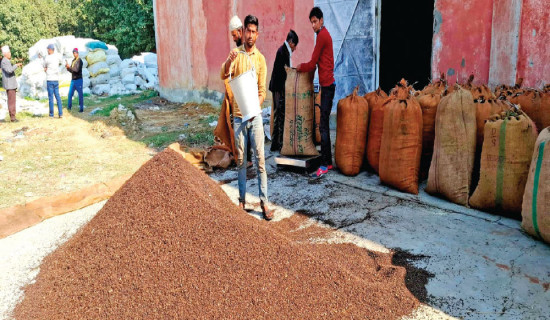
One and half months have passed since the exceptionally early monsoon entry to Nepal this year. If we go by the pattern of monsoon rainfall experienced by the country so far, the summer precipitations have remained scanty and inadequate. Many parts of the country are not receiving expected amount of rains which has reportedly affected the paddy plantation works. This is the peak plantation season and the rice farmers are highly expecting sufficient rains to fall. Adequate rains are crucial for rice farming as most of the paddy fields lack irrigation facilities. Because of the current mid-monsoon dry spell, plantation process has failed to go ahead as expected. Many parts of the country, especially those lying across the Terai plains, have been experiencing scorching heat.
If we talk of the Kathmandu Valley, rains are falling in scanty and isolated manner with days appearing clear and cloudless in many instances for over a week. This is a very unusual and unexpected phenomenon for this time of the year. It is rather shocking also because of the fact that meteorologists had predicted above normal monsoon rains for this year. Are monsoon rain predictions going to be less accurate of late? But it is too early to conclude that experts have failed in their forecasts. Currently, we are only in the half-way of the monsoon season and brisk monsoon activities may still be in store for coming months. Uneven distribution of rains is the trend of recent years which scientists attribute to the adverse impact of global temperature rise.
Erratic and excessive rainfalls and unusual weather phenomena taking place in calamitous proportions have been the characteristics of climate change. We have seen rains falling in excessive amounts within a short span of time with disastrous consequences. The old phenomenon of prolonged gentle rains is being overtaken by the torrents of downpours and cloudbursts. Additionally, the excessive rains fall in certain pockets while many other places experience deficient rains, dry spells and droughts. The total amount of rains throughout the monsoon season may not vary from year to year but the manners of rainfall are showing radical shifts. Maybe, the months of Shrawan and Bhadra will see rains falling more briskly to compensate for the below average precipitations of the preceding months, and that may trigger water-induced natural disasters.
The best policy we can adopt about all this is to remain prepared for the worse that may happen. It is evident now that rainfall patterns are showing unusual characteristics and its adverse impacts are being felt beyond agriculture. Rain-induced calamities are having big toll on the country’s development infrastructure as well. Roads, bridges, powerhouses, transmission lines and water supply systems are also hit hard by flashfloods, landslides and erosion. The massive devastation caused to Melamchi water supply project by monsoon floods last year is fresh in memory.
Settlements lying near the rivers need to stay on alert regarding possible disasters. Disaster related study and planning should be incorporated while constructing vital infrastructures. People should be discouraged from settling in areas that are prone to monsoon induced disasters risks. Heavy rains and flooding in the high Himalayan regions such as Manang and Mustang are quite unusual but they are happening in recent years. We need to have research on the changing dynamics of monsoon rains. Thoughtful preparation is the key to deal with monsoon disasters.