- Sunday, 12 April 2026

India's act to stop fuel shipment to Sri Lanka will damage its image of a great power
By Huangdekai and Xuxiaoling
Recently, there have been
media reports that India is seeking Sri Lanka to pay for the fuel supply in
advance. Sri Lanka is in the midst of its worst economic crisis, leaving the
country bankrupt and unable to repay its national debt. The Sri Lankan
government had to interrupt public events and public affairs, send students
home and reduce the number of working days for public officials. Despite a
series of measures, it has not been effective for Sri Lanka. Against this
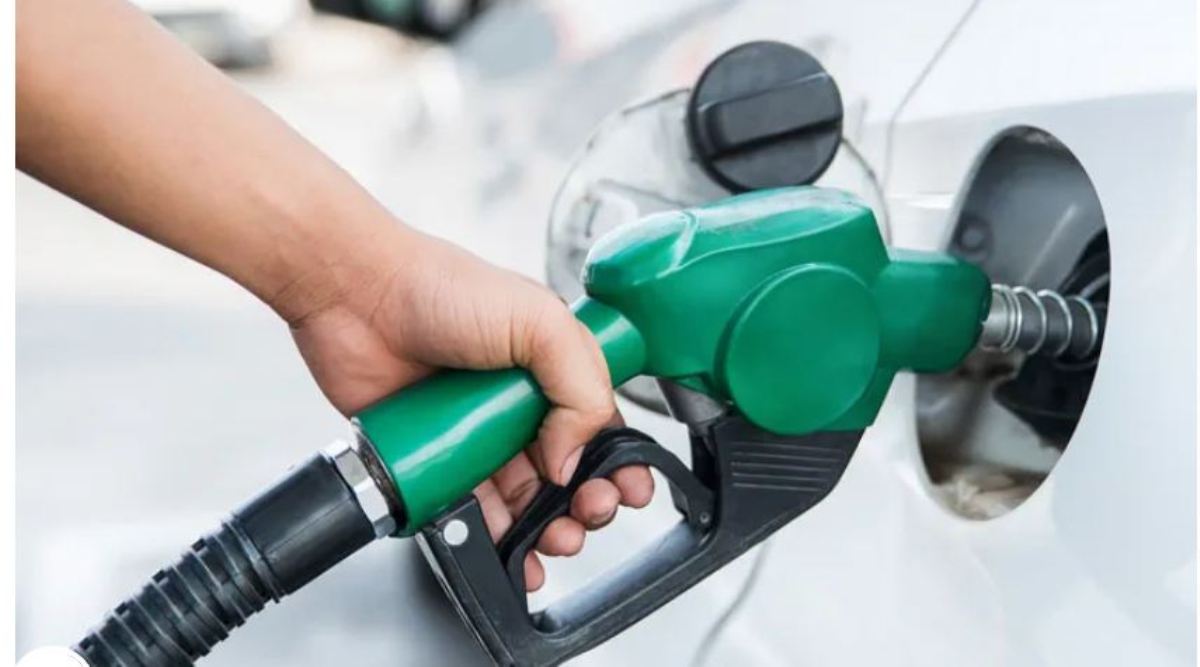
backdrop, Sri Lanka's largest neighbor, India, is reported to have stopped supply of gasoline and
diesel on credit due to the pending cash payments from Sri Lanka's
Ceylon Petroleum Corp. By taking this measure, India will undoubtedly add salt (insult)
to Sri Lanka's wounds (injury) and further aggravate its crisis.
Since Sri Lanka will have about $7 billion of debt due this year, its actual debt exceeds $50 billion. By the end of March, Sri Lanka's foreign exchange reserves were only 1.724 billion US dollars ($1.724 billion), not enough to pay the debt ( to cover maturing debt) that is about to come due, and these foreign exchange reserves would have to be used by Sri Lanka to buy fuel. The International Monetary Fund (IMF) said Sri Lanka's public debt has reached "unsustainable levels" and that its foreign exchange reserves are insufficient to cover the short-term debt. As a result, the Sri Lankan Ministry of Finance said on April 12 that it would temporarily suspend the repayment of all foreign debts. As the crisis in Sri Lanka deepens, Sri Lankan Prime Minister Wickremesinghe said on July 5 that Sri Lanka will fall into a deep recession this year, with severe shortages of food, fuel and medicine, and the crisis may continue until the end of 2023.The deepening economic crisis has not only bankrupted the country of Sri Lanka, but also made the lives of Sri Lankans continue to be low. 22 million Sri Lankans are short of oil, electricity, food and medicine.
The United Nations World Food Programme released a report on food security in Sri Lanka on July 6, showing that 3 out of every 10 households in Sri Lanka are facing food insecurity, involving a population of 6.26 million, more than the estimated 5 million in mid-June . Of these, 65,600 people face severe food insecurity.
In this regard, the
international community has extended a helping hand to help Sri Lanka tide over
the difficulties. Since the crisis in Sri Lanka, the Chinese government has
announced to provide Sri Lanka with a total of RMB 500 million in emergency
humanitarian aid, which is the largest free aid received since the outbreak of
Sri Lanka's economic and livelihood crisis. A consortium of foreign aid; Japan provides US$3 million in emergency
grant assistance through UNICEF and the World Food Programme; the Government of
India has expressed its willingness to provide Sri Lanka with more than US$4
billion in loans, swaps and aid; the first round of negotiations between Sri
Lanka and the International Monetary Fund have been successful; the World Bank
provided Sri Lanka with $600 million in aid and so on. This assistance has
helped Sri Lanka slow down the severity of the economic crisis.
Aid to Sri Lanka is
both moral and the responsibility of
major powers and international organizations, and should not be mixed with any
political factors. However, the actions and practices of some countries have
swayed the aid
The Hamilton Reserve Bank of
the United States filed a lawsuit in the Federal Court of New York, demanding
that Sri Lanka pay its arrears in full.
The Indian media regards the aid to Sri Lanka
as a "return to Sri Lanka", helping to offset China's influence. The EU envoy in Colombo visited Sri Lanka
President Tabaya, urged Sri Lanka to regard the EU as a "friend". So
some international aid is making Sri Lanka a geopolitical center.
As Sri Lanka's most
important neighbor, India, from the perspective of morality and neighborhood
relations, India is duty-bound to assist Sri Lanka. However, India sees aid to
Sri Lanka as an important opportunity to "return to Sri Lanka".
India's new foreign minister Vinay Kwatra recently visited Colombo, and said India is "ready
to help Sri Lanka achieve a rapid economic recovery" and "India will
provide the fullest support".
But in fact, India has not fulfilled its
commitments. Instead, at the worst moment in Sri Lanka, it add insult to injury
and stopped providing energy supply to Sri Lanka.
The main reasons: First,
India is under pressure from the West regarding Sri Lanka's human rights and
follow-up actions. In particular, whether India is in line with the West's
demand for Gotabaya to step down as president.
Today, India's relations with Western countries are developing and
rising rapidly. It has formed an "informal alliance" with the United
States and is consistent in international affairs.
Second, India is worried that the private enterprise group Adani's investment in Sri Lanka will cause controversy. The main reason is that the Adani group and Modi are "close friends", and the 20 billion rupees spent by Modi during his campaign for prime minister were all reportedly sponsored by Adanis. The third is India's dissatisfaction with Sri Lanka seeking help from China and Gulf countries.
In any case, India should not mix its aid to Sri Lanka with any other factor.
India stopped providing
energy resources to Sri Lanka, damaging India's image as a great power.
Nehru once proposed that India should be a "powerful and powerful country", and A powerful country should not fall into trouble or politicize aid, but should fulfill its responsibilities and obligations as a big country. When a neighboring country is hit hard by the economic crisis, it should lend a helping hand promptly to help tide over the difficulties. This is a really big country.
(Huangdekai & Xuxiaoling,Scholars of Yibin Vocational & Technical
College,supported by china Center for South Asian
Studies, Sichuan University)
-square-thumb.jpg)