- Thursday, 28 May 2026


The Rising Nepal

Students in constant fear from dilapidated condition of Basudev school in Baitadi
Students of Basudev Basic School in Tadi village of Sunarya Rural Municipality-3, Baitadi district, are studying in constant fear that the dilapidated school building in which they have classrooms could collapse anytime.
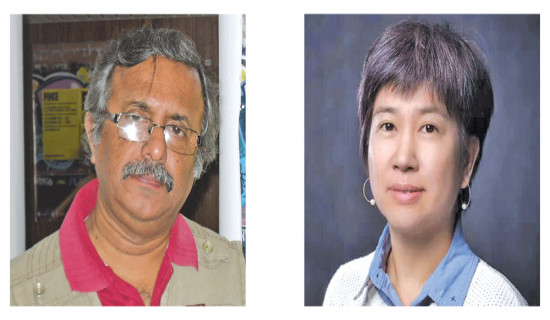
Premendra Mazumder, Li Ran jury of NIFF
Two foreign filmmakers have been nominated in the jury of the 6th Nepal International Film Festival (NIFF). The nominees are Premendra Mazumder, famous writer and critic of Indian films, and Dean Li Ran of Beijing Film Academy.

Jadeja 5-for on test return gives India advantage
India spinner Ravindra Jadeja collected a five-for on his test return to help bowl out Australia for 177 on the first day Thursday of the first test. India pressed home its advant
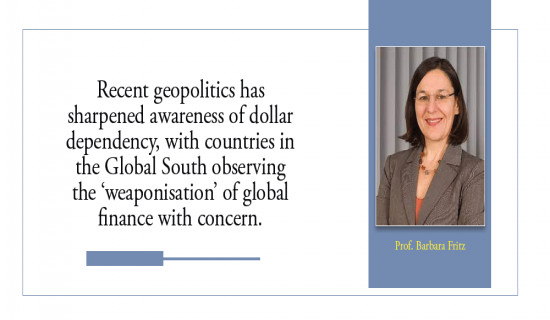
A Step Towards Financial Autonomy
Even before Olaf Scholz met newly re-elected President Lula in Brasília last week, the latter had visited neighbouring Argentina, where he floated the idea of creating a common currency union for the two countries. The international re

Quality Education Key To Development
As healthcare is crucial for any person or his or her family members, access to good education is equally important for them. So it was good to read in TRN’s news report titled ‘Education key to build equitable society, says PM’.

A road in Bengaluru named after the late Kannada superstar Puneeth Rajkumar
Karnataka government has paid tribute to late Sandalwood star Puneeth Rajkumar, who passed away in October due to a heart attack. The government, headed by chief minister Basavaraj S Bommai, has renamed the Ring Road in Bengaluru as Dr. Puneeth Rajkumar Road. The move has received a lot of praise from his fans and celebrities. Now, Puneeth’s wife Ashwini has also thanked the government and the CM for the honour.

Kim Jong Un shows off daughter, missiles at N. Korean parade
North Korean leader Kim Jong Un and his young daughter took centre stage at a huge military parade, fuelling speculation that she’s being primed as a future leader of the isolated country as her father showed off his latest, largest nuclear missiles.

Pepsi sales rise 10% in the fourth quarter on price hikes
PepsiCo reported better-than-expected sales in the fourth quarter after hiking prices for its drinks and snacks. Revenue rose more than 10% to $28 billion.

Around Rs. 11.7M collected in Salinadi Swasthani festival
Around Rs. 11.7 million offering was made by the devotees in Salinadi of Sankhu during a month-long Shree Swasthani Festival. Mijendra Kaji Shrestha, president of Salinadi Development Committee, said that around Rs. 2 million was collected from the land rent. The committee also collected some amount of money from the traders who ran their businesses using the public land on the temple premises.

Significant US Aid
At a time when Nepal is expecting international assistance for reviving her COVID-hit economy, creating jobs and carrying out infrastructural and other development projects, the United States of America (USA) has promised to
Quake Preparedness
A massive earthquake has lately rattled the south-eastern region of Turkey and Syria, which it shares a border with. Measuring 7.8 on the Richter scale, the first earthquake hit the area making the city of Gaziantep its epicentre. And within nine hours of the first quake, the region saw yet another big tremor of 7.5 Richter scale. As of writing this piece, the figures of death toll have exceeded 16,000 along with thousands of others injured.

Madrid advance to Club World Cup final
Real Madrid secured its place in the Club World Cup final with a 4-1 win against Egyptian club Al Ahly on Wednesday to keep alive its quest for a record-extending eighth world title. Vinícius Júnior, Federico Valverde
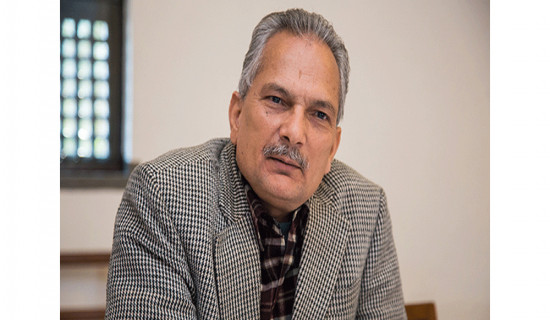
Dr. Bhattarai stresses linking education to employment, production
Former prime minister Dr. Baburam Bhattarai has said education should be catered to ensure life skills and employment. The former prime minister Dr. Bhattarai said it while inaugurating a science exhibition organised by the Southwestern State College
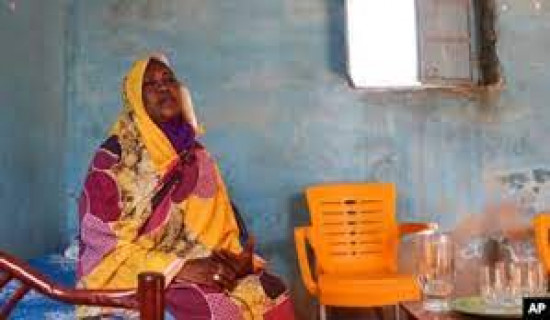
Sudan’s tropical disease spike reflects poor health system
The two Sudanese women thought they had malaria and were taking their medication, but things took a dire turn. Both complained of a splitting headache and fever that didn’t respond to the anti-malaria treatment.

Disney to cut 7,000 jobs in Iger’s company ‘transformation’
The Walt Disney Co. will cut about 7,000 jobs as part of an ambitious companywide cost-savings plan and “strategic reorganization” announced Wednesday by CEO Bob Iger. The job cuts amount to about 3% of the entertainment giant’s global workforce and were unveiled after Disney reported quarterly results that topped Wall Street’s forecasts. Iger returned as CEO in N