- Wednesday, 10 June 2026

Improving Livelihood Of Mountain People

Nature is shaped by both natural processes and human activities that contribute either to the conservation or depletion of the earth's resources. As human civilisation advances, society has reached levels of scientific and technological development that would once have been unimaginable. While the search for life beyond earth continues, it is equally important to focus on improving the quality of life and securing the future of those living on this planet. Yet, as development accelerates, the degradation of the environment continues at an alarming pace.
Climate change has affected people across the globe, but its impacts are particularly severe in vulnerable regions that sustain millions of lives. These areas are often the sources of essential natural resources that people depend upon for survival. It is therefore increasingly important to raise public awareness about protecting these fragile ecosystems. One effective way of doing so is by strengthening the capacity of journalists to report on climate change in ways that highlight its human impact, particularly on communities living in the most vulnerable areas.
Sources of Asian rivers
Nepal is blessed with extraordinary biodiversity, ranging from the Himalayan mountains to the fertile plains bordering India. The country forms part of the Hindu Kush Himalaya (HKH), which, according to ICIMOD, stretches over 3,500 kilometres across all or parts of eight countries: Afghanistan, Bangladesh, Bhutan, China, India, Myanmar, Nepal and Pakistan. The HKH is the source of ten major Asian river systems, including the Amu Darya, Indus, Ganges, Brahmaputra, Irrawaddy, Salween, Mekong, Yangtze, Yellow River and Tarim. These rivers provide water, ecosystem services and livelihoods to approximately 240 million people living within the region, while their river basins support nearly 1.9 billion people—almost one-quarter of the world's population. Much of this water originates from snow and glacier ice stored across the HKH. However, the time has come to ask difficult questions about how climate change is affecting these glaciers and the long-term availability of freshwater.
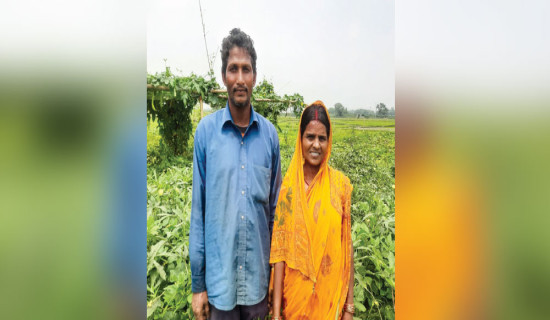
The report State of Gender Equality and Climate Change in South Asia and the Hindu Kush Himalaya, prepared by UN Women, ResearchGate and ICIMOD, notes that nearly 40 per cent of global climate-related disasters occur in South Asia and the HKH region. It further highlights that women, indigenous communities, poor households and marginalised groups experience disproportionate impacts because they have unequal access to resources, services and decision-making opportunities. Agriculture continues to be the backbone of livelihoods across much of South Asia. Around 70 per cent of women are employed in agriculture compared to 47 per cent of men. Yet women often have fewer opportunities to influence decisions relating to land, natural resources and climate adaptation, despite carrying a significant share of the burden created by environmental change.
Across many parts of the HKH, the traditional practice of male outmigration has long been part of household survival strategies. Men migrate to trade, seek employment and support their families financially. However, as biodiversity declines and climate change intensifies, communities are increasingly confronted with drying water sources, declining agricultural productivity, food insecurity and growing disaster risks. Although more women are now migrating for employment, men still constitute the majority of migrants in many parts of the HKH, leaving behind women, children and elderly family members to manage farms, households and community responsibilities. These changing realities have increased the workload and responsibilities of women while often limiting their access to resources and decision-making.
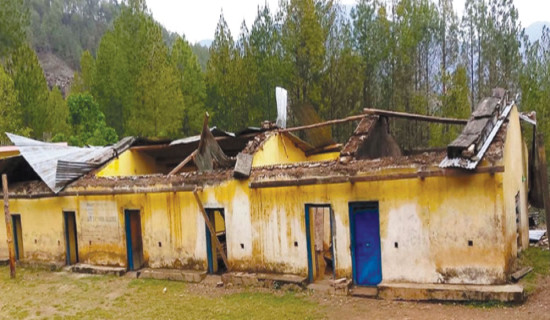
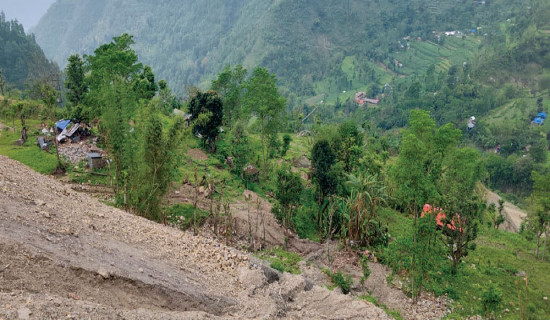
The past few years have demonstrated the growing vulnerability of the HKH region to climate-related disasters. In 2025 alone, more than 1.2 million people across the region were affected by floods, landslides and Glacial Lake Outburst Floods (GLOFs). Such disasters destroy homes, damage infrastructure, reduce agricultural production and leave communities struggling to rebuild their lives. The aftermath of these disasters often places an even greater burden on women and girls. Across much of the HKH, they remain the primary collectors of water, fuelwood and fodder. As water sources continue to dry up and agricultural production declines, women and girls spend increasing amounts of time meeting the daily needs of their households. This reduces opportunities for education, paid employment and participation in community decision-making, further reinforcing existing inequalities.
Beyond its environmental significance, the HKH region is also home to a rich cultural heritage and diverse indigenous knowledge systems. As climate change continues to alter ecosystems and livelihoods, policymakers must better understand the traditions, cultural practices and local knowledge that have enabled mountain communities to adapt over generations. Climate policies should recognise the different ways in which women, men and various social groups experience climate impacts and develop adaptation strategies that address these diverse realities. Understanding these intersecting vulnerabilities is essential for building resilient communities.
Gap
One major gap that continues to hinder effective policymaking is the limited availability of gender-disaggregated data across the HKH region. Such data would enable governments, researchers and development partners to better understand the distinct needs of women, men and marginalised communities. Equally important is documenting indigenous knowledge and successful local adaptation practices that have helped communities respond to changing climatic conditions. These experiences should inform future policies and programmes across the region.
Since women and members of excluded communities often remain underrepresented in policymaking bodies, deliberate efforts must be made to ensure that their voices are heard. Journalists have an important role to play by documenting these realities accurately and responsibly so that policymakers can better understand the challenges facing mountain communities. As Nepal's youth-led government explores new pathways for national development, addressing the impacts of climate change must remain one of its highest priorities. Investing in resilient mountain communities, promoting inclusive policymaking, strengthening climate adaptation and ensuring that development reaches those living in the Hindu Kush Himalaya will not only protect the environment but also improve the lives and livelihoods of millions of people who call these mountains home.
(Sharma is a senior journalist and rights advocate. namrata1964@yahoo.com X handle: NamrataSharmaP)