- Thursday, 21 May 2026

Taliban's new marriage separation decree draws UN criticism
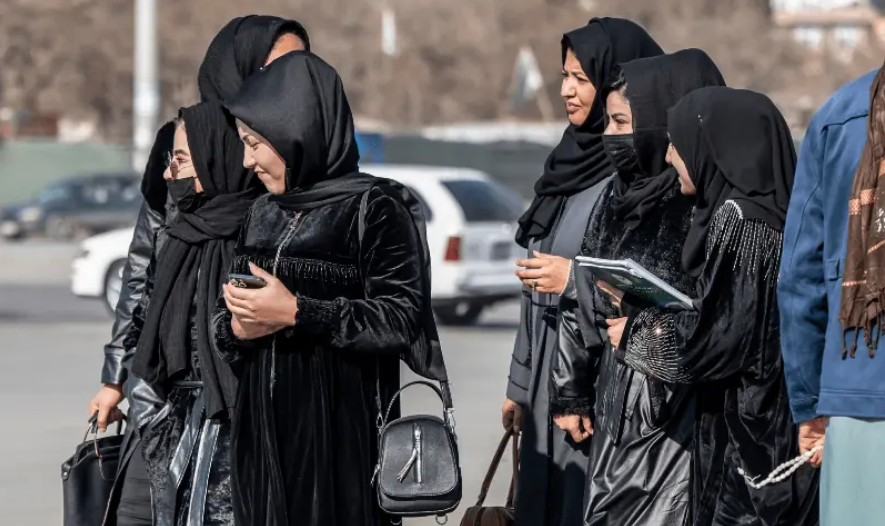
Afghan female students studying health studies walk along a street in Kabul on Dec 3, 2024. — AFP/File

KABUL, May 21, 2026 (AFP): The Taliban government's new decree governing the separation of spouses "reinforces systemic discrimination" and erodes the rights of Afghan women and girls, the United Nations said on Thursday.
Published in mid-May, the 31-article code sets out various grounds for separation in Afghanistan, including a husband's prolonged disappearance, "incompatibility" between couples, renunciation of Islam and "failure on the part of the husband".
The decree, which appeared in the country's Official Gazette, also states that marriage contracts drawn up by relatives "on behalf of a minor boy or girl" can be annulled, which suggests child marriage is permitted in Afghanistan, according to the UN.
In most cases, the procedures for women seeking a separation are more complicated than those for men.
The document, approved by Supreme Leader Hibatullah Akhundzada, "is part of a broader and deeply concerning trajectory in which the rights of Afghan women and girls are being eroded", said Georgette Gagnon, deputy special representative of the UN secretary-general.
It "further entrenches systemic discrimination in law and practice", the UN statement said, adding that women and girls are denied "autonomy, opportunities and access to justice".
Since returning to power in 2021, the Taliban government has banned girls from continuing their education beyond primary school, walking in parks and going to gyms, swimming pools or beauty salons.
They are required to cover themselves from head to toe and are barred from many jobs.
Any breach of the rules can result in arrest and imprisonment.
The UN's Afghanistan mission (UNAMA) said that following a decree issued in 2021 in which the Taliban authorities had "recognised certain rights for women, including women's consent to marriage", subsequent legislation has ultimately eroded those protections.
Article 5 of the decree has drawn widespread criticism.
It sets out the procedures for the separation of minors whose family members enter into a marriage contract on their behalf, which "implies that child marriage is permitted", according to UNAMA.
"If any relative other than the father or grandfather concludes a marriage contract on behalf of a minor boy or a minor girl with a compatible spouse and for a customary dower, the contract shall be valid," the decree says, before outlining how the boy or girl can choose to annul at puberty if approved by a court.
According to a traditional practice that has been in place in some families in Afghanistan for decades, parents promise that their child will marry a child from the other family.
However, the marriage contract is only concluded later, as sexual relations before puberty are prohibited under Islamic law.
The Taliban government's Ministry of Justice did not respond when asked by AFP whether the minor should be required to live with their spouse at any age.
Marriage was only permitted from the age of 16 for girls under the law in force until the Taliban took back power.
The decree makes a distinction between girls and boys' option to annul on reaching puberty, saying that if a "virgin girl" had previously remained silent, the decree considers her choice to separate as "invalidated".
However, "the choice upon obtaining puberty of a boy... is not invalidated by silence".
Government spokesperson Zabihullah Mujahid dismissed criticism to the decree, telling the state-run RTA television channel on Wednesday it was coming from people "hostile" to Islam.
He defended fathers and grandfathers having authority over their children, including the power to enter into a marriage contract, provided they were "kind and healthy".
However, he said such cases would be rare because the Taliban "prohibits marrying off a girl without her permission".
The procedures also set out how a woman may remarry if her husband has gone missing, but not in the event of war.
In such cases, "the wife shall wait for such a period until his death becomes certain and until the people of his generation (peers) have all passed away".
If the missing person were to reappear after the woman had remarried, it would be up to him to decide whether to "keep" her, divorce or opt for mutual separation.








-original-thumb.jpg)