- Monday, 18 May 2026

Global health emergency over Ebola outbreaks
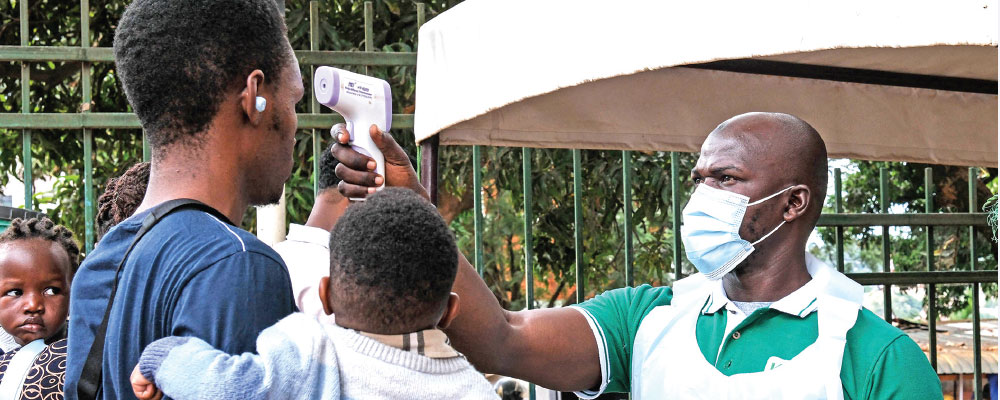

South Africa, May 18: Health authorities say there is a new Ebola outbreak in the Central African country of Congo, with more than 300 suspected cases and at least 88 deaths. Cases have also been reported in neighbouring Uganda.
The outbreak was declared a public health emergency of international concern by the World Health Organization on Sunday. The severe disease that is often fatal was first identified in 1976 after two outbreaks in quick succession in what is now South Sudan and Congo, according to the WHO.
All the major Ebola outbreaks have been in sub-Saharan Africa, where the viruses that cause it are native. The worst have been in West and Central Africa.
Ebola disease is caused by a group of viruses. Three of them are known to cause large outbreaks: Ebola virus, Sudan virus and Bundibugyo virus, the WHO says. The current outbreak is caused by the Bundibugyo virus, which is rare and has been responsible for only two previously reported outbreaks. A family of fruit bats is believed to be the natural hosts of the viruses that cause Ebola, and other animals like apes and monkeys can also be infected, according to the WHO.
People can be infected by these animals, and the viruses can spread from person to person through contact with the body fluids like the blood, feces or vomit of an infected person, or surfaces that have been contaminated by body fluids.
Symptoms appear from two days to three weeks after exposure, though they usually emerge within about a week, according to the U.S. Centers for Disease Control and Prevention. Illnesses begin with flu-like symptoms, including fever, aches, fatigue and sore throat. Later, patients can experience gastrointestinal problems, rashes, seizures and bleeding.
The average fatality rate for Ebola is around 50%, according to the WHO, with rates varying from 25% to 90% in previous outbreaks. There are approved vaccines and treatments only for the Ebola virus.
An outbreak a decade ago across several countries in West Africa is the worst on record. There were more than 28,000 cases and more than 11,000 deaths as the highly contagious disease spread widely in Guinea, Liberia and Sierra Leone and spilled over into nearby nations. A small number of cases were also reported in the United States, the U.K., Italy and Spain linked to travelers from Africa or health workers returning home after helping with the outbreak.
The epidemic linked to the Ebola virus type was believed to have started in southeastern Guinea when a child "patient zero" came into contact with infected fruit bats, according to researchers. The second-biggest outbreak in history occurred soon after in Congo's North Kivu, South Kivu and Ituri provinces, with some cases in neighboring Uganda.
The latest outbreak announced Friday is also in Ituri, on the border with Uganda. The outbreak eight years ago had more than 3,400 reported cases and more than 2,200 deaths with a fatality rate of 66%, according to the CDC.
Like the 2013-2016 outbreak, it was also caused by the Ebola virus. Congo has had more than a dozen significant previous outbreaks, including one as recent as late 2025.
An outbreak of Ebola disease in 2007 in western Uganda on the border with Congo was the first reported occurrence of the Bundibugyo strain.
There were 131 reported cases and 42 deaths, according to the U.S. CDC, which said that the fatality rate for the Bundibugyo strain appeared to be lower than the others. However, there is still no specific treatment or vaccine for the Bundibugyo virus.(AP)