- Sunday, 7 June 2026

Experts call for nationwide expansion of child nutrition grant
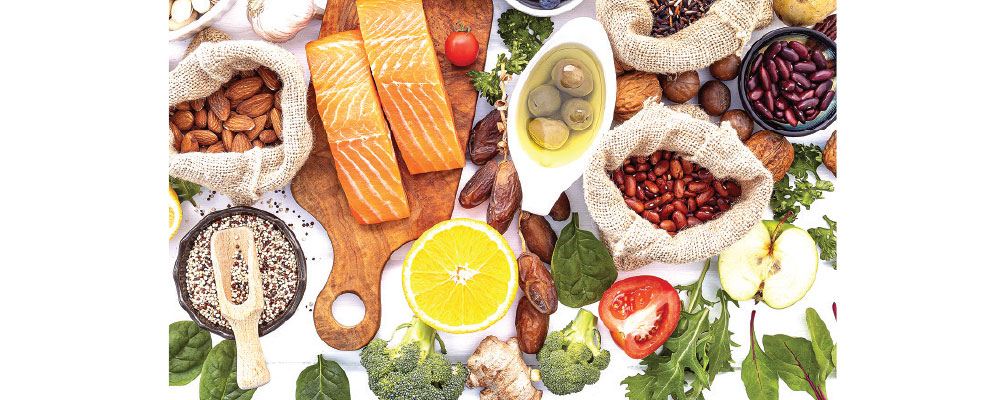
By TRN Online, Kathmandu, May 12: Stakeholders from government agencies, parliament, civil society organizations, development partners and child rights activists have called for the nationwide expansion of Nepal’s Child Nutrition Grant and stronger investment in children, arguing that child-focused social protection is essential for reducing poverty, improving nutrition and ensuring long-term national development.
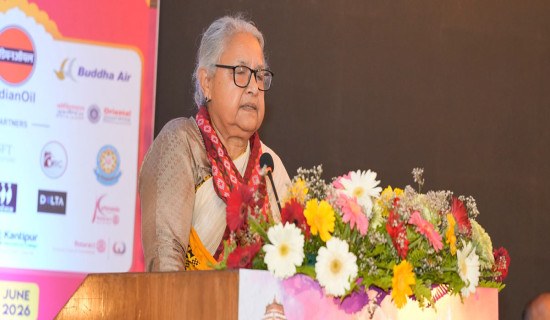
The demand was raised during a policy dialogue on “Social Protection and Child Grant” organized in Kathmandu by Social Protection Civil Society Network (SPCSN).
In the discussion programme orgnasied by Social Protection Civil Society Network with members of Parliament from the House of Representatives and National Assembly, government officials, representatives from various ministries. Various speakers appealed to the government to expand the child grand progammes as a crucial step toward ensuring the rights of children to an adequate standard of living.
Currently Nepal government is distributing Rs. 532 as child grant to all children below five years from 25 districts and children from Dalit households of 77 districts which has significantly contributed to reduce child malnutrition.
Similarly, The Child Rights Act 2018 provides a bundle of rights to children, including the rights to a dignified life, appropriate care, nutrition, and free basic health services.
Particiapants emphasized that the Child Nutrition Grand should not be viewed merely as financial assistance, but as a long-term investment in human capital and mation’s future. They stressed that expanding the programme to all 77 districts would contribute significantly to reducing child malnutrition supporting brain development, encouraging birth registration, improving access to health services and promoting social justice and equality.
According to the Nepal Demographic and Health Survey 2022, 25 per cent of children under five suffer from stunting, 19 per cent are underweight, 8 per cent suffer from wasting and 43 per cent are affected by anemia.
Bijaya kumari Prasai, Director at the National ID and Civil Registration Department, stated that Article 39 of the Constitution guarantees children’s rights, including the right to nutrition as fundamental rights.
She stated that the government is currently providing social security allowances under eight categories to around 3.6 million beneficiaries, with approximately 6 percent of the total national budget allocated to these expenditures.
Presenting on the status of social protection in Nepal and the future direction of child grants, Dr. Prakash Kumar Shrestha, former Vice-Chairperson of the National Planning Commission, said that around 32 percent of Nepal’s population currently benefits from social protection programmes.
He highlighted Sustainable Development Goal 1.3, which calls for establishing appropriate social protection systems for all by 2030, particularly for poor and vulnerable communities.
Dr. Shrestha said Nepal’s Child Nutrition Grant and school midday meal programmes have played important roles in improving child nutrition and reducing poverty.
Similarly, Chakra Bahadur Budha, Joint Secretary at the Ministry of Women, Children and Senior Citizens, said the government has been working actively to end child marriage and introduce child-responsive budgeting.
He added that the ministry is also preparing procedures aimed at making Nepal free from street children through rescue and rehabilitation initiatives.
He emphasised that poverty remains the root cause behind many social problems and called for collective efforts to eradicate poverty across the country.
Shankar Adhikari from Ministry of Education, Science and Technology informed that the government has proposed an annual budget of Rs. 9.53 billion for the school midday meal programme this year.
He noted that while some local governments have expanded the programme up to Grades 8–10 using local resources, such expansion has not yet been possible nationwide.
Ram Bahadur Chand from the National Child Rights Council argued that social protection programmes should be distributed fairly and equitably to all children in need. He said the current system does not appear fully just in the context of children’s rights and welfare.
Member of Parliament Sajida Siddiki raised concerns over why children from poor families continue to drop out of school midway through their education. She stressed the need to understand the real condition of children and pay greater attention to humanitarian aspects of policymaking.
Likewise, Member of Parliament Bishnumaya Bishwakarma said the Child Nutrition Grant should prioritize children from economically vulnerable households who need the support the most. She emphasized that social security allowances should be distributed based on economic conditions and actual need.
Member of Parliament Gyanu Paudel also stressed the need to expand the Child Nutrition Grant to children in all 77 districts and increase the amount, stating that the current allowance is far too low to meet nutritional needs. She further emphasized the importance of stronger monitoring and verification mechanisms.
Speakers at the event noted that around 90 percent of brain development takes place before the age of five, making early childhood nutrition one of the most critical investments a country can make. They warned that failure to address malnutrition could undermine Nepal’s future human capital and economic productivity.
Participants strongly recommended extending the midday meal programme up to Grade 10 across the country, implementing child protection standards in schools, institutionalizing child budget codes and strengthening the overall child protection system.
The programme originally began in fiscal year 2009/10 with a monthly allowance of Rs. 200 for children in the former Karnali region and Dalit children across the country.
However, the government has set a target of reducing child malnutrition to zero by 2030.

-square-thumb.jpg)
-square-thumb.jpg)