- Saturday, 2 May 2026

Water scarcity overshadows election promises in Sarlahi
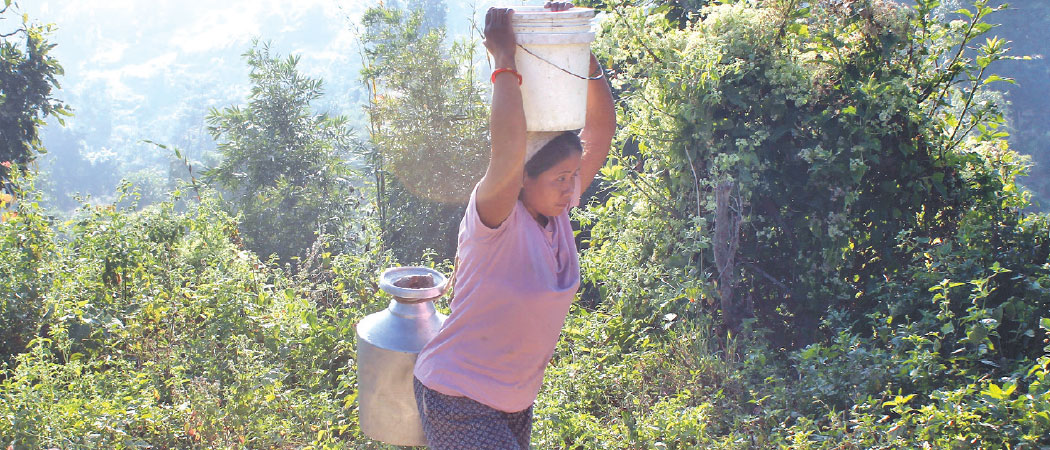
Photo: Janarjan Khatri./TRN A woman from Harion Municipality-1 carrying water collected from a seepage area in the Chure hills.

By Janarjan Khatri,Sarlahi, Feb. 22: The drinking water crisis is worsening in the northern Chure belt of Sarlahi.
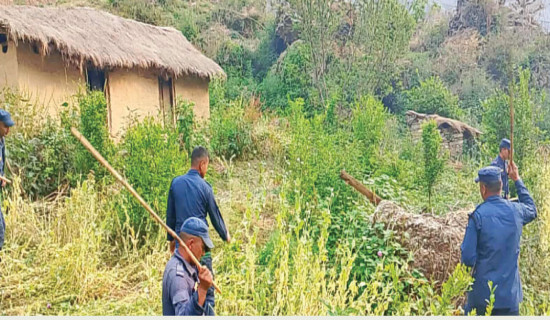
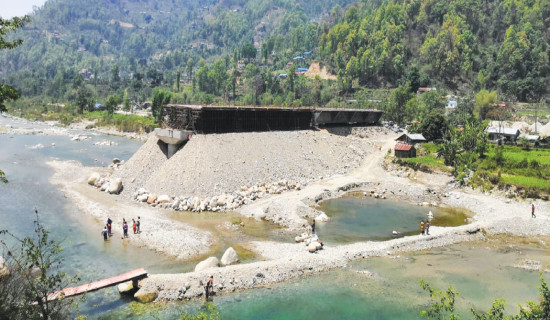
Every year, from February to March until the monsoon rains begin, residents of the geographically remote Chure areas struggle to find drinking water. Locals said that as candidates go door to door seeking votes, there is not enough water to offer them, not even a single potful. Severe water shortages persist throughout winter in Ishworpur-12, Lalbandi-12, 13, 14 and 15, Hariban-1 and Bagmati-1. Although water seeps from springs and wells along streams during the monsoon, these sources dry up in winter, residents said.
Bishnu KC of Jharjhara Danda in Lalbandi-15 said the shortage becomes acute for four to five months every winter. “Until the monsoon arrives in June or July, we have to walk from stream to stream just to find drinking water. Right now, water worries us more than the election,” he said. Many residents living on remote hill slopes said candidates rarely visit their homes to ask for votes. Instead, they gather supporters in market areas or at party workers’ houses in the plains. “They do not come to scattered homes on the hills,” KC said.
Apart from one or two candidates, most do not visit at all, leaving them no opportunity to raise issues of the drinking water crisis, locals said.
Sobit Man Thing of Sisnekhark in Ishworpur-12 said elections have come repeatedly, but neither drinking water nor roads have reached the village. “Candidates seldom return to this remote place once they win elections,” he said. In the Chure areas of Ishworpur, Lalbandi, Harion and Bagmati municipalities, some settlements have gained access to drinking water through local governments, the provincial government and donor support.
However, scattered households remain unreached. As election is approaching again, residents said drinking water is their top demand.
Brish Bahadur Bomjan of Bagmati-1 said the municipality supplies water by tanker for a few winter months, but it is far from sufficient. “For a single pot of water, we have no option but to wander streams and gullies all winter,” he said.
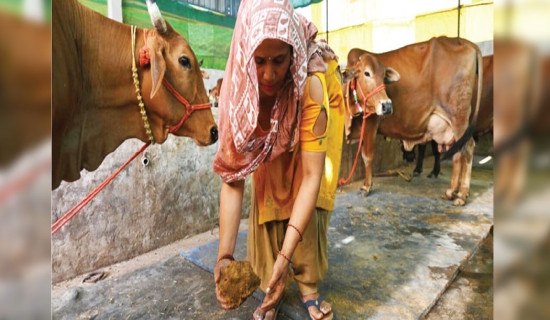
The water shortage has also made it difficult to rear livestock and maintain hygiene. “As dryness increases, the water crisis worsens. People somehow manage a little water for themselves, but it is very hard to provide for animals,” he said.
Women in the Chure hills said they are exhausted by the daily struggle of fetching water, often walking for hours with heavy pitchers on their backs. Many complain that their mornings are spent entirely on collecting drinking water.
As elections approach, locals hope that if water from the Marin-Bagmati Irrigation Project could be brought through the Chure belt, both drinking water and irrigation problems could be significantly solved.