- Sunday, 3 May 2026

Unyielding Dry Spell

Despite Nepal being an agrarian country and a significant number of its population being involved in agriculture, it is highly vulnerable to climate change and erratic weather patterns. Ours, to a large extent, is a rain-fed agriculture and for the past few years, prolonged dry spells during the winter have significantly affected our agricultural yields. A lack of rain, typically from October to February, has affected the production of winter crops like wheat, barley, and mustard in the Tarai region, making us prone to food insecurity.
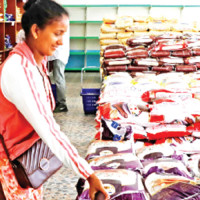
We had imported cereals worth Rs. 60.76 billion, and crude soybean and sunflower oil worth Rs. 145.13 billion in the fiscal year 2024/25 alone. In total, Nepal imported agricultural goods worth Rs. 400 billion in the last fiscal year alone, 54 per cent higher than the agricultural goods imported in the previous fiscal year. The more we are reliant on imports, the more we are prone to food insecurity in the long run.
Last monsoon, Madhes Province was declared a disaster-hit zone due to the prolonged drought in the region during the rainy season. A long dry spell during the season was quite unusual. But this year also, Madhes endured this phenomenon during the winter. We are experiencing high precipitation over a short period of time in the rainy season and prolonged drought during winter. Both the weather patterns have a negative impact on agricultural activities.
Winter rain is crucial for snowfall in the mountains, which serves as a natural water reserve throughout the year. Reduced winter rainfall has directly affected groundwater recharge and water flow. Nepal has experienced a prolonged drought during the winter season for the past two decades, during 2006-2011, 2016-2018 and 2021 onwards. As per a news report published in this daily, 30 per cent of community boreholes and shallow tube wells in Madhes dried up completely.
It is particularly worrying when the province heavily relies on groundwater when rainfall is insufficient. The rampant deforestation and ceaseless extraction of construction and riverine materials from the Chure range have exacerbated water scarcity in the Madhes lately. We should keep in mind that the ecological health of the Chure Hills is crucial for recharging groundwater in Madhes.
Government intervention from the policy level is a must to fight this crisis and the government has been working its best to combat climate change. As the destruction of the Chure is one of the major reasons for drought in Madhes, the government should intervene with an immediate halt of riverine product extraction in the fragile hills. Likewise, promoting the cultivation of climate-resilient indigenous crops is a must to ensure food security in the long run.
We need to modernise agriculture with climate-smart practices, such as drought-resistant crops and sustainable water management systems. To tackle this risk of food insecurity, we should revive the cultivation of our indigenous crops that are more climate resilient. Using the drip irrigation method can be anotehr possible solution. At the same time, we should work for the sustainable use of natural resources and the conservation of nature to boost the production of agricultural goods.



-square-thumb.jpg)