- Sunday, 3 May 2026

Kirati, Choudhary honoured with Pratibha Samman, Puraskar
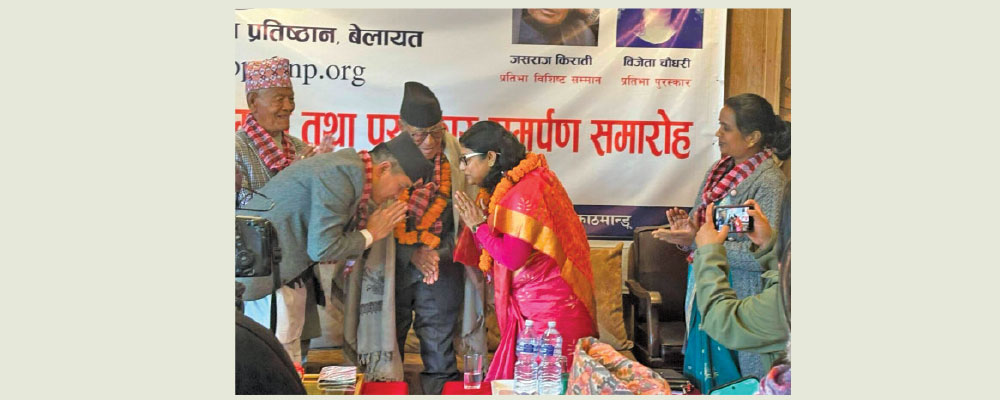

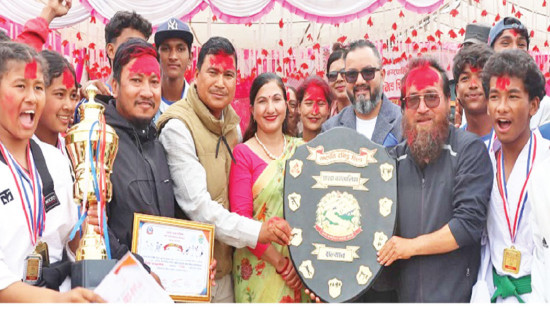
By A Staff Reporter,Kathmandu, Dec. 11: Senior poet Jasraj Kirati and poet/short story writer Bijeta Choudhary were honoured in Kathmandu recently.
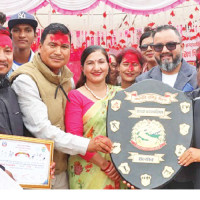
The Nepali Pratibha Pratishthan, UK, has honoured poet Kirati with Pratibha Bhishisht Samman (Distinguished Talent Honour)-2025 and poet/short story writer Choudhary with Pratibha Puraskar (Talent Award)-2025.
Both honorees received a cash prize of Rs. 100,000 each, along with a certificate of appreciation, a shawl, a dedication bag and a garland.
These awards were handed over under the ‘Talent Honour and Award Dedication Ceremony-2025’, organised by the UK-based Pratishthan at Bagbazaar.
According to the Pratishthan, awarding the Nepali literary talents every year is to celebrate Nepali literary excellence and the contributions of writers within and beyond the country.
The ceremony, held with the objective of promoting Nepali language, literature and creativity through diaspora engagement, was chaired by the foundation’s vice-president Mijas Tembe. Poet and prominent Mundhum scholar Bairagi Kaila attended the function as chief guest.
Congratulating the awardees, Bairagi Kaila praised the foundation for its role in uplifting Nepali literature internationally. “The foundation has made a special contribution to the prosperity of Nepali literature by supporting creativity even through diaspora and giving international recognition to talents,” he remarked.
He described Kirati as a literary figure who vividly portrays the pain and consciousness of ordinary people, and Choudhary as a promising voice representing the life and aspirations of Madhesi society.
Emotionally responding to his recognition, Kirati said, “I am very happy to receive this award. I feel like I can still live and contribute something.”
Award recipient Choudhary shared similar sentiments, saying, “I never imagined receiving this honour. It feels like the award has recognised my mother tongue and my Madhes.”
Poet Shravan Mukarung appreciated the transparency of the award selection, noting, “Most big awards become controversial, but the process of Pratibha Pratishthan appeared fair and exemplary.”