- Tuesday, 26 May 2026

Narrow Trade Deficit


International trade is vital for promoting economic growth, creating jobs and providing consumers with a wider range of goods at competitive prices. But to reap these benefits, a country must be able to compete effectively in global markets. Competitiveness depends largely on the quality and price of the products it offers to international buyers. Nepal, lacking strong competitiveness for many years, has struggled to fully benefit from global trade.
However, recent shifts in Nepal’s foreign trade offer a note of optimism. After a long period of sluggish external activity, exports posted an unprecedented rise in FY 2024/25, growing by more than 70 per cent. Encouragingly, this momentum has continued into the first four months of the current fiscal year 2025/26. Yet imports continue to overwhelm the trade basket, resulting in a surge in the country's trade deficit.
According to a news report published in this daily the other day, Nepal’s exports rose by 77.51 per cent to Rs. 93.49 billion in the first four months of the current fiscal year, while imports increased by 18.71 per cent to Rs. 609.45 billion. During this period, Nepal recorded a trade deficit with 113 of its 142 international trading partners. Although the country maintained a trade surplus with 29 nations, the surplus amounts were too small to make a meaningful dent in the widening overall deficit. Nepal’s total trade deficit has reached Rs. 515.95 billion during the review period, up from Rs. 460.72 billion in the corresponding period the previous fiscal year. The deficit continues to be driven by persistently high imports and modest growth in export-oriented production.
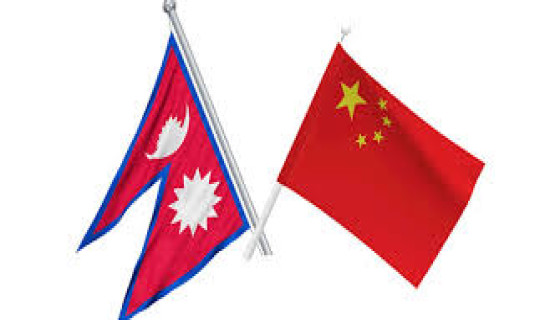
The highest deficits were with Nepal’s two largest trading partners — India and China. The trade deficit with India reached Rs. 261.41 billion, while the deficit with China stood at Rs. 132.27 billion. Nepal imported goods worth Rs. 337.92 billion from India and exported goods worth Rs. 76.50 billion to India. India accounts for nearly 60 per cent of Nepal’s total trade, absorbing more than 81 per cent of Nepal’s exports and supplying around 56 per cent of its imports. Similarly, Nepal imported goods worth Rs. 132.56 billion from China but exported only Rs. 299 million to the northern neighbour. Other countries contributing to high trade deficits include Argentina, the United Arab Emirates, Thailand, Brazil, Malaysia, Australia, Qatar, the USA and Canada.
Despite the overall deficit, Nepal did record trade surpluses with 29 countries, including American Samoa, the Bahamas, the Cayman Islands, Colombia, Congo, Cyprus, Denmark, Ecuador, Fiji, Georgia, Iceland, Iraq, Jamaica, Kyrgyzstan, the Lao People’s Democratic Republic, Lebanon and the Maldives. Denmark emerged as Nepal’s highest surplus partner, followed by Romania, Sweden, Niger and Colombia.
These statistics clearly indicate the need for Nepal to accelerate export growth and pursue strategic import substitution to rein in the widening trade gap. This requires revisiting both the direction and composition of Nepal’s trade. Diversifying export products and trading partners, reducing excessive concentration on India and China, identifying new export destinations, mobilising diplomatic missions for export promotion, and encouraging investment in industries that can substitute imports are key policy measures that could help narrow the deficit and strengthen the country’s external sector.