- Monday, 4 May 2026

Bittersweet Dashain

 Dixya Poudel
Dixya Poudel
Dixya Poudel
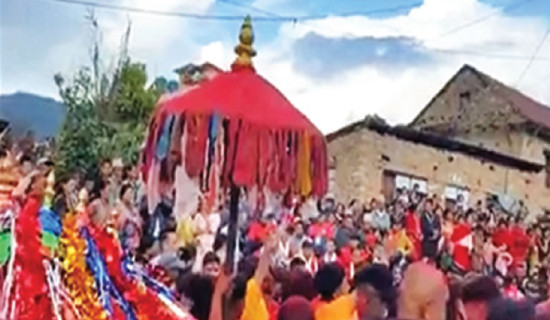
Seasons change as they do consistently each year and it is now autumn, a season of mellowness, cosiness and of course a season of festivities in Nepal. Currently, Nepalis are trying to move past the tragedy of the September 8-9 protests as they exchange Dashain greetings and well-wishes with one another. On Monday this week, Nepalis all over the world took the first ritual of Dashain, which is Ghatasthapana. During Ghatasthapana, devotees plant maize and barley seeds in a vessel filled with sand, cover it and place it in the room of religious worship.
From Ghatasthapana till Purnima, various rites and rituals will be performed as interspersed in-between are important days such as Fulpati, Mahaasthami, Mahanawami, Vijaya Dashami, and so on. Nepal has quite a lot of festivals and the most important among them is Dashain, which is followed by the second-most important festival, Tihar. Unfortunately, Dashain this year was preceded by the Gen Z protests, which will be remembered in Nepal’s history as one of the most dreadful protests, costing 72 lives. The protest had turned violent with riots, arson and vandalism taking place throughout Nepal as Gen Z took to the streets in anger despite the curfew.
Enraged by the tragic loss of lives, they stormed government buildings, offices, businesses and residences of politicians and set them on fire. Hopefully, as Dashain has begun, Nepal will see better days ahead again, since the festival is known for uniting people in a feeling of goodwill. The essence of Dashain lies in the triumph of good over evil, symbolised by the victory of Goddess Durga over the demon Mahishasura. The power and strength of Goddess Durga are deeply commemorated, often with animal sacrificial rituals.
However, objections are raised over the trend of ritual sacrifice, which tends to provoke controversies. Such grievances aside, the traditions of Dashain are quite significant, tied intricately to the national identity of Nepalis. Every year, Dashain arrives, which signals a break from the humdrum of life. The weather is perfect for travel. Moreover, it is a time when families unite. Uncles and aunties, grandparents and grandchildren, mothers, fathers, sons and daughters all conglomerate under one roof on the tenth day of Dashain, Vijaya Dashami.
Tikas and blessings are given and received on Dashami and continued till Purnima. The excitement of seeing relatives and families is unmatched and unparalleled. So are the foods prepared for the celebration. Those who cannot attend their familial gatherings connect online to exchange blessings and greetings. There is simply a feeling of respect, festivity and joy among celebrators. But there is also a feeling of sadness and isolation for those abroad who cannot return home to Nepal to celebrate. So it is bittersweet when tears and regrets are shed over phone calls with a promise to definitely come home next year, as blessings are given and received virtually.
Nepalis have been celebrating Dashain as a religious Hindu festival but it has gradually morphed into a cultural festival that sees bright smiles, greetings of Namaste and the traditional ‘asirbaad.’ On that note, let peace, prosperity and harmony thrive this Dashain. Let Goddess Durga eliminate all the nefarious elements that had festered in Nepal weeks ago and in their place, plant feelings of joy and affection.