- Friday, 5 June 2026

Seminar on terrorism, peace and security in South Asia held
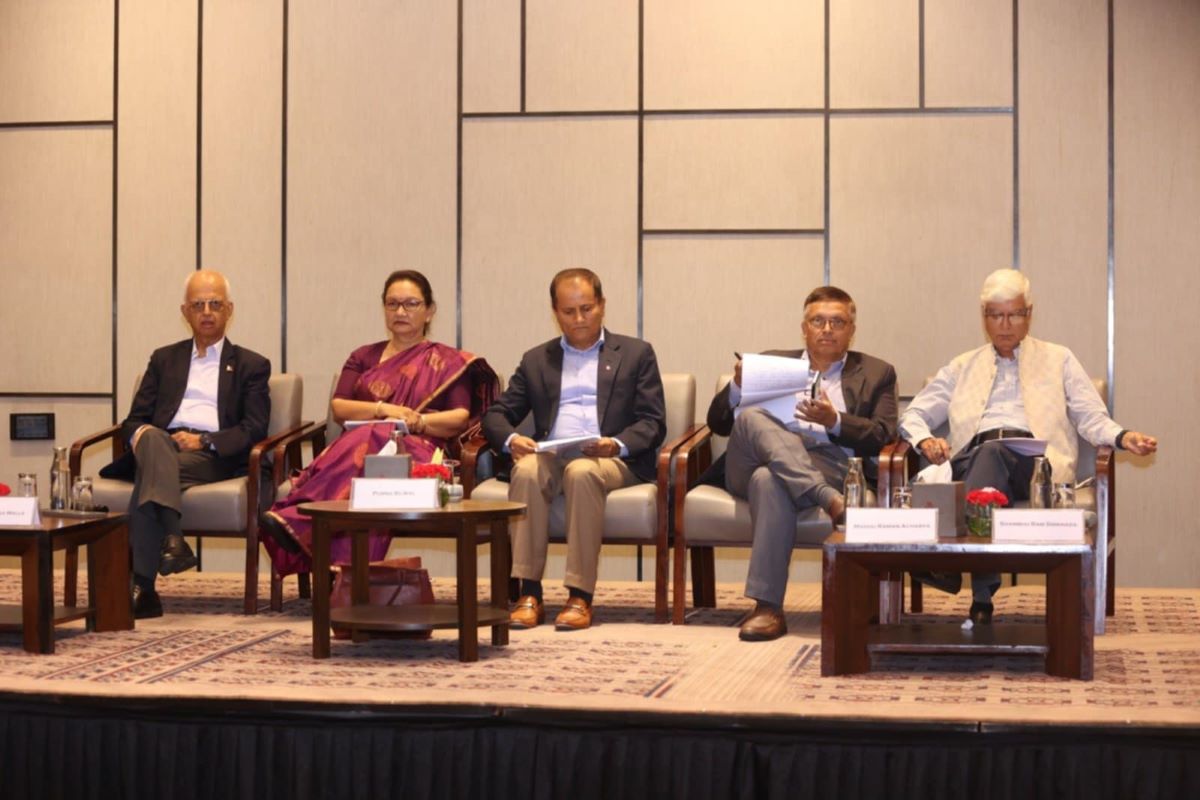
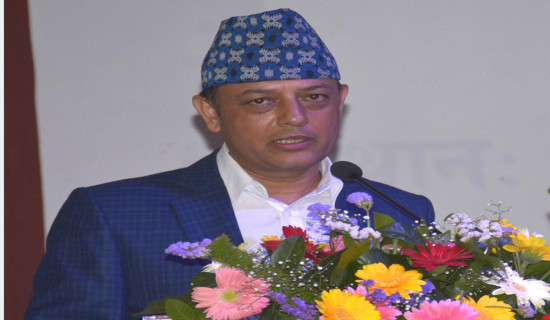
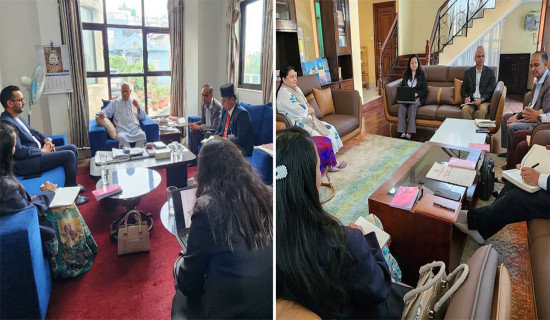
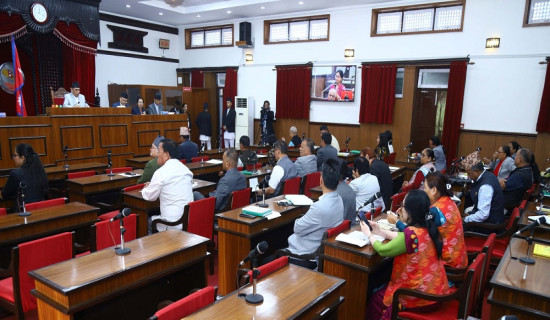
By TRN Online, Kathmandu, July 10: The Nepal Institute for International Cooperation and Engagement (NIICE) organized a high level seminar on Terrorism in South Asia: Challenges to Regional Peace and Security.
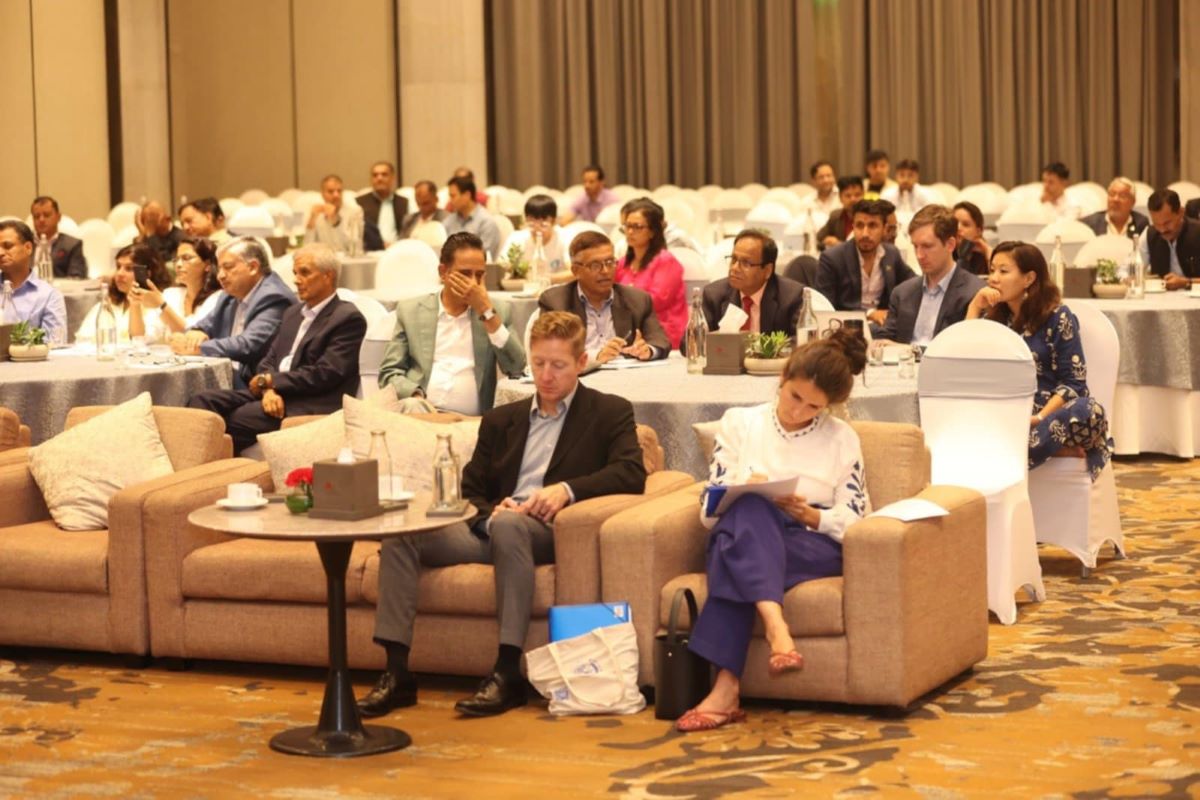
The seminar held
on Wednesday brought together senior political leaders, former ministers,
security experts, academicians, and scholars, and was attended by over 150
participants, including members of the diplomatic community, civil society,
policymakers, security personnel, journalists, and academics, according to a
press release issued by the NIICE.
NIICE stated
in its press release that Sunil Bahadur Thapa, Advisor to the President of
Nepal and former Minister of Industry, shared that Groups like Lashkar-e-Taiba
(LeT) and Jaish-e-Mohammed (JeM), which are UN-designated terrorist
organizations, have historical ties to Al-Qaida and operate in Pakistan, posing
risks to India and potentially using Nepal as a transit point.
Dr. Minendra
Rijal, Former Defence Minister of Nepal, stressed that a terrorist attack on India
will have spillover effects on Nepal. He noted that Pakistan's promotion of terrorism
has not only made SAARC inactive but also hindered regional economic
integration and caused significant economic loss for Pakistan. He called for
global unity—similar to the solidarity seen after the September 11 attacks in
the United States—to combat terrorism effectively, NIICE said in the press
release.
Chanda Chaudhary, Member of Parliament and former Minister for Women, Children, and Senior Citizens, highlighted the importance of curbing money laundering as a means to prevent cross-border terrorism.
Shisir
Khanal, former Minister, appreciated India’s immediate and forceful response, including
military action through ‘Operation Sindoor’ and diplomatic expulsions of
Pakistan has established a new threshold in regional counter-terrorism,
according to the NIICE press release.
Dr. Dinesh
Bhattarai, former Diplomat and Advisor to Former Prime of Nepal shared Pahalgam
attack was the deadliest attack in recent years, because the victims were
brutally killed after asked them to disclose their religion and shot in their
head.
NP Saud,
former Minister of Foreign Affairs and Minister of Irrigation, stated that
Nepal and regional powers should develop a clear mechanism to control
terrorism, warning that terrorism affects everyone indiscriminately Dr. Purna
Silwal, former Major General of the Nepal Army, emphasized that countries must avoid
double standards in counter-terrorism efforts if terrorism is to be eradicated.
Ambassador
Madhu Raman Acharya, former Foreign Secretary of Nepal stressed on the need for
intelligence sharing and joint border patrolling between India and Nepal. He
added that in the fight against terrorism we are with India.
Sumitra
Karki, Director of NIICE, referred to the hijacking of Indian Airlines Flight
IC-814 from Kathmandu by Harkat-ul-Mujahideen and the April terror attack in
Pahalgam by Pakistan-based Lashkar-e-Taiba that killed 26 civilians, including
one Nepali national, to highlight Nepal’s vulnerability to terrorism.
Dr. Pramod
Jaiswal, Research Director at NIICE, stated that Pakistan has been the
epicenter of terrorism in South Asia, with a history of nurturing and harboring
terrorists. He also cited a recent admission by Pakistan’s Defence Minister
Khawaja Muhammad Asif, who publicly acknowledged that Pakistan had supported,
funded, and trained terrorists for nearly three decades for the US, UK, and
Western interests, read the press release.




-original-thumb.jpg)
-original-thumb.jpg)