- Monday, 4 May 2026

Yartung festival begins in Manang
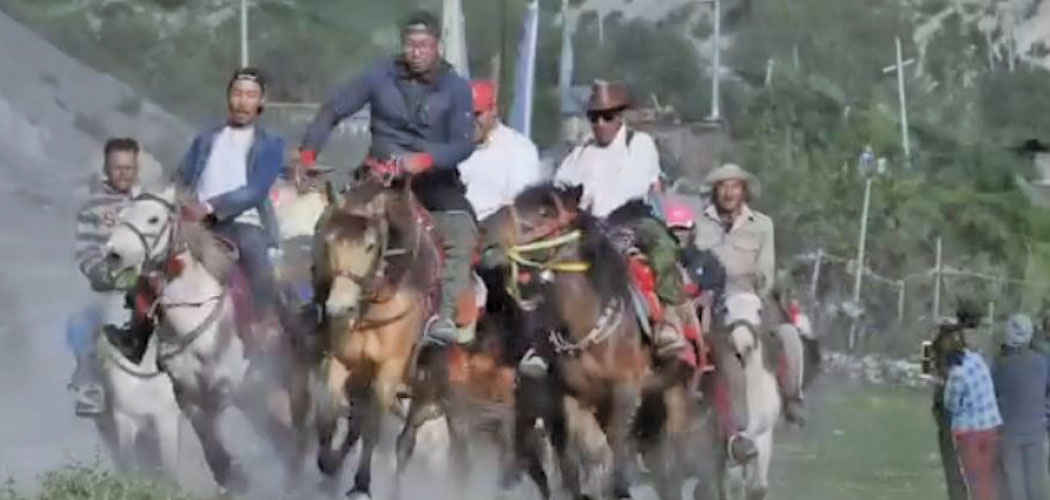

By Yadhu Prasad Bhatt,Manang, July 4: The Yartung festival (Horse Festival) began wishing for a good harvest in Manang on Monday.
Celebrated after the planting season to relieve the fatigue of farming, people organise horse races as part of the festival in Manag.
The festival is being celebrated under the joint initiative of Manang Samaj, Tyangki and Nisyang Youth Club, in coordination with the Nepal Nature Conservation Fund, Annapurna Conservation Area Project, and the Tyangki Manang Tourism Management Sub-Committee.
The celebration continues for five days and takes place in Upper Manang, including Manang village, Khangsar, Pisang, Bhraka, Humde, and the district headquarters of Chame.
Although it used to be celebrated throughout the district in the past, due to migration, it has now become limited to Upper Manang.
According to Binod Gurung, the president of the Manang chapter of the Trekking Agencies’ Association of Nepal (TAAN), the festival is especially marked by performing traditional Lama dances.
Locals said that the festival is traditionally celebrated with great enthusiasm for five days. In the past, horses were worshipped and reared as divine beings in the villages.
After the farming season ended, people would collectively worship horses during their free time, said Gurung.
He adds, “Nowadays, horse rearing practice has declined, which has led to a decrease in the celebration of the festival, but it continues in the upper region.”
Due to the convenience provided by road networks, the horse is still regarded as an important means of transport here. This festival also encourages the preservation of horses.
Tilicho Lake, situated at an altitude of 4,919 meters above sea level, and Thorong La Pass, which is part of the world’s 10th best trekking route, Annapurna Circuit (at 4,516 meters), still rely on horses to assist trekkers.
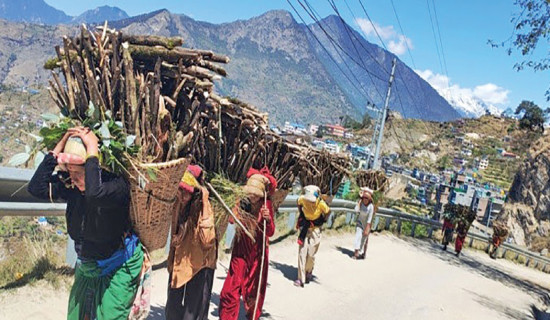
Horses are also used for carrying firewood, fodder, herbs, food supplies, medicines, and even transporting patients to hospitals.
Although the trend of keeping horses has declined in areas with road access, in places where roads have not reached, horses are used commonly to carry people and goods, said Konzo Tenzing Lama, the chairman of Narpa Bhumi Rural Municipality.
He also said the connection between horses and the daily life of Manangis has added to the importance and excitement of this festival.
Experts said that one of the main purposes of the festival is to protect people from diseases during the rainy season.
The celebration promotes social harmony among villages, communities, and individuals, and also helps preserve traditional religious beliefs.
According to Ram Gurung from Pisang, although the festival is gaining popularity among both domestic and international tourists, participation from local youth is declining.
He believes this is due to youth leaving the village for education and employment abroad, leading to a fall in their involvement in the festival.
-original-thumb.jpg)


-original-thumb.jpg)