- Tuesday, 5 May 2026

Make Sagarmatha Sambad Fruitful
 Bini Dahal
Bini Dahal
Bini Dahal
As part of its diplomatic effort to foster global cooperation and consensus through dialogue, Nepal is gearing up to organise Sagarmatha Sambad from May 16 to 18. The proposed event is expected to focus on promoting discourse on various matters of national and international importance. Nepal had initially planned to organise this multi-dialogue forum in 2020. However, because of the COVID-19 pandemic, the event was cancelled. Anyway, the government has once again expressed its commitment to holding this forum.
According to the Ministry of Foreign Affairs (MoFA), “Climate Change, Mountains and Future of the Humanity” will be the theme of the first ever Sambad. This is pertinent to Nepal, a Himalayan nation bearing the brunt of climate change in recent years. The forthcoming event is anticipated to be fruitful when it comes to fighting climate change, given the government’s plan to invite heads of states and governments and other stakeholders to attend the event. Such stakeholders include global climate leaders, experts and individuals from various international organisations.
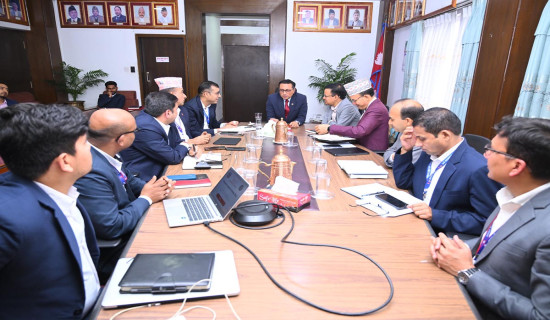
Using this forum, the government aims to initiate dialogue for highlighting the achievements made by the country in areas of peace process, environmental protection, inclusive democracy, regional cooperation, women’s upliftment, and empowerment. If conducted successfully, this dialogue forum will play a significant role in enhancing Nepal’s image. It will also be a good starting point for the nation to strengthen its diplomacy and position it internationally. As per media reports, for the multi-stakeholder forum, the government has formed three committees to help organise the event.
The Sagarmatha Sambad aims to build shared understanding among national and international stakeholders for immediate climate action. The discourses can provide inclusive and collective solutions for climatically vulnerable countries like Nepal and can help them on the path of securing climate justice. These kinds of discourses on various subjects should be meaningful and most importantly, it should provide a basis for the country to implement solutions where necessary. Greater studies, researches and dialogues are important to countries like Nepal to improve the situation posed by various pressing issues. This can also be highly useful to small, vulnerable and least developed countries around the globe. It can give a direction for such countries to take collective actions.
It is more than imperative to make this summit a yearly event. There should be a consensus among various political parties. Consecutive governments should accord high priority to organising this event. It is also required to collaborate and cooperate among various sectoral ministries, including the MoFA. Media coverage on these pressing matters at both national and international levels and extending invitations to experts and concerned stakeholders are also very important. Nepal, being a climatically vulnerable country, has a central role to play in terms of fostering dialogue on climate risks and peace.
The government needs to focus on involving countries and organisations that are directly involved or linked with the theme of the Sambad. Bringing such stakeholders to the forefront will help increase the credibility of the forum and will also garner necessary support and publicity. Hopefully, this dialogue forum will see success and become meaningful for all those involved in the discourse. Its success should give Nepal the incentive to continue these efforts and bring about life-changing solutions to pressing problems. The forum should be organised to gain maximum outcomes, one that can aid in building consensus, supporting in changing the existing environment, one that is reeling from climate change issues.

-square-thumb.jpg)