- Monday, 11 May 2026

Israel resists US pressure to pause thex war
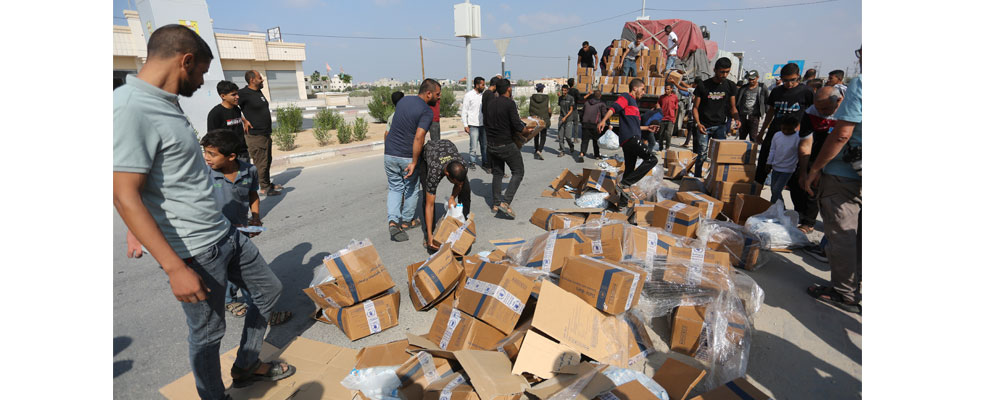

Tel Aviv, Israel, Nov. 5: Israeli Prime Minister Benjamin Netanyahu on Friday pushed back against growing U.S. pressure for a "humanitarian pause" in the nearly month-old war to protect civilians and allow more aid into Gaza, insisting there would be no temporary cease-fire until the roughly 240 hostages held by Hamas are released.
U.S. Secretary of State Antony Blinken made his third trip to Israel since the war began, reiterating American support for Israel's campaign to crush Hamas after its brutal Oct. 7 attack in Israel. He also echoed President Joe Biden's calls for a brief halt in the fighting to address the worsening humanitarian crisis.
Alarm has grown over spiraling Palestinian deaths and deepening misery for civilians from weeks of Israeli bombardment and a widening ground assault that risks even greater casualties. Overwhelmed hospitals say they are nearing collapse, with medicine and fuel running low under the Israeli siege. About 1.5 million people in Gaza, or 70% of the population, have fled their homes, the United Nations said Friday.
Palestinians are increasingly desperate for the most basic supplies.
The average Gaza resident is now surviving on two pieces of bread per day, much of it made from stockpiled U.N. flour, said Thomas White, Gaza director for the U.N. agency for Palestinian refugees. Demands for drinking water are also growing.
"People are beyond looking for bread," he told U.N. diplomats in a video briefing from Gaza. "It's looking for water."
After talks with Netanyahu, Blinken said a temporary halt was needed to boost aid deliveries and help win the release of the hostages Hamas took during its brutal incursion.
But Netanyahu said he told Blinken that Israel was "going with full steam ahead" unless hostages are released.
U.S. officials initially said they were not seeking a cease-fire, but rather short pauses in specific areas to allow aid deliveries or other humanitarian activity, after which Israeli operations would resume. Netanyahu has not publicly addressed the idea and has instead repeatedly ruled out a cease-fire.
On Friday, however, a senior U.S. administration official said policymakers believe a "fairly significant pause" in fighting will be needed to allow for releases. The idea is modelled on a smaller-scale pause that allowed the freeing of two American hostages from Hamas captivity in October.
The official, speaking on condition of anonymity to discuss the matter, said that release was a test pilot for how a broader deal could be struck, and said negotiations on a "larger package" of hostages are on-going. (AP)