- Wednesday, 3 June 2026

Fukushima residents cautious after nuclear plant water release
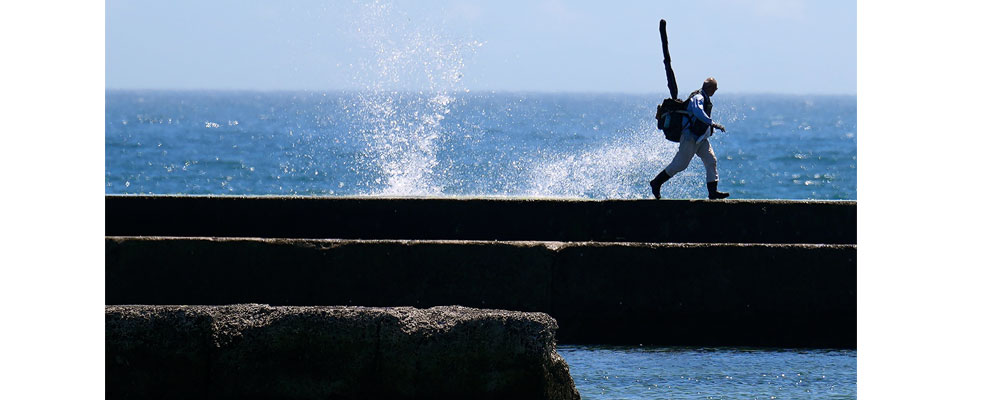

Iwaki, Japan, Aug. 27: Fish auction prices at a port south of the Fukushima Daiichi nuclear power plant were mixed amid uncertainty over how seafood consumers will respond to the release of treated and diluted radioactive wastewater into the ocean.
The plant, which was damaged in the 2011 earthquake and tsunami, began sending the treated water into the Pacific on Thursday despite protests at home and in nearby countries that are adding political and diplomatic pressures to the economic worries.
Hideaki Igari, a middleman at the Numanouchi fishing port, said the price of larger flounder, Fukushima's signature fish known as Joban-mono, was more than 10% lower at the Friday morning auction, the first since the water release began. Prices of some average-size flounder rose, but presumably due to a limited catch, says Igari. Others fell.
It was a relatively calm market reaction to the water release. But, Igari said, "we still have to see how it goes next week."
The decade's long release has been strongly opposed by fishing groups and criticized by neighbouring countries. China immediately banned imports of seafood from Japan in response, adding to worries in the fisheries community and related businesses.
In Seoul on Saturday, thousands of South Koreans took to the streets to condemn the release of wastewater and to criticize the South Korean government for endorsing the plan. The protesters called on Japan to store radioactive water in tanks instead of releasing it into the Pacific Ocean.
A citizens' radiation testing centre in Japan said it's getting inquiries and expects more people might bring in food, water and other samples as radiation data is now a key barometer for what to eat.
Japanese fishing groups fear the release will do more harm to the reputation of seafood from the Fukushima area. They are still striving to repair the damage to their businesses from the meltdown at the power plant after the earthquake and tsunami.
The Japanese government and the plant's operator, Tokyo Electric Power Company Holdings, say the water must be released to make way for the facility's decommissioning and to prevent accidental leaks of insufficiently treated water. Much of tank-held water still contains radioactive materials exceeding releasable levels. (AP)