- Wednesday, 27 May 2026

The Sky Is The Limit
Saudamini Chalise
Nepal is a land of mystical myths, picturesque parables, and oozing oomphs of natural aesthetics in lavishness. Positioned with its unique footprint, among the Asian titans, Nepal is a class by itself. A recherché weaved out motifs of the infinite colossal nature is absolute heaven for green panthers' ramblings between the nooks and crannies of Nepal.
Attributes
The sky is the limit for tourism-related attributes in Nepal but its infinite possibilities haven’t been realised so far keeping that hair's breadth wispy balance between the consumption of tourism products and the preservation of its natural pulchritudinous. Being an enclosed country, tourism itself is the backbone of Nepal's economic ensembles and a global platform for marketing its natural USB in the international context.
Tourist footfalls generate revenue, the backbone of the Nepalese economy, and are quintessential for circulating cash flow through the nerves of our economic contours. Nepal has lots of offers on its platter, meandering through the wilderness and exploring the unchartered territory sparks up the docile adrenaline in the tourist.
Nepal has come a long way traversing thus far in the realm of tourism from a sleeping village to a thriving economy propelled by tourism-related endeavours. Unplanned hiccups such as Covid sabotaged its movements in the past two years and are still an Achilles Heel to some extent. Mother nature has been immensely generous to us showering her natural beauty, and priceless& pristine landscapes.

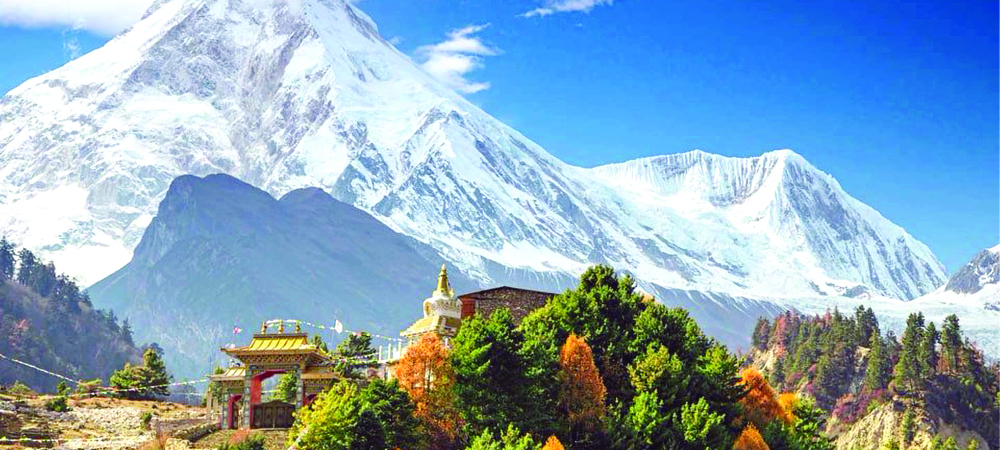
Nepal is an exotic bijou on earth positioned on the lap of the majestic Himalayan range embroiled with the mystic veil of an enigma. The unchartered territories within the boundaries of Nepal have always remained the heavens for nemophilists throughout the globe. With its rare and priceless wealth of natural beauty, Nepal has to harness it gingerly to expand the life expectancy of its rare natural wealth.
Countries such as Nepal are often walking over eggshells, maintaining the equilibrium of natural pristineness and consumerism at the same time. Sensing the pulse of the consumers' outlook, current market trends and intricate internal problems are the most important points kept on the checklist of the host country. Nepal is merchandising sui generis, it's only used to snatch its coveted spot in the cutthroat business of tourism.
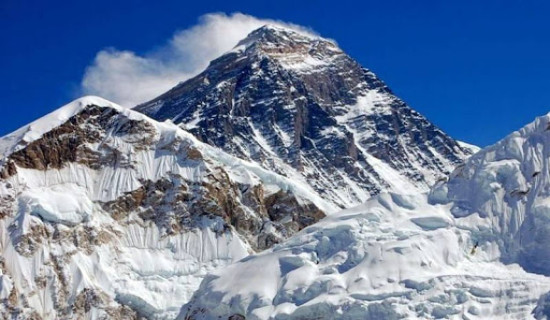
Ethnic diversity, ethnic groups, cultural diversity, unique cultural beliefs and customs, traditions, the flare of people and unity in diversity are the prominent features of Nepalese cultural motifs. Nepal proudly boasts the possessions 8 highest mountains out of 10 mountains in the world.
Nepal has a plethora of tourism-based activities that run parallel throughout the country. From rock climbing, mountain expeditions, adventure treks, paragliding, skiing, peak climbing, boating, fishing, bungee jumping, white water rafting, hot air ballooning, and mountain biking, the list can go on and on.
Nepal caters to the need for tailor-made needs of globetrotters and themed-based tourism activities such as pilgrim tourism, cultural tourism, village tourism, mountain tourism, city tourism, ethnic tourism, nature tourism, sports tourism, agriculture tourism, hospitality tourism, etc. also add flavour to the tourism platter. A total of 190,739 international visitors came to Nepal in five months of 2022.
Standard Amenities
Nepal has to look into the scope of increasing the room for more tourists by air and be able to provide full service with standard amenities balancing that fragile equilibrium of gulping up tourism products. According to a survey by the central bureau of statistics, the tourism industry in Nepal provides around 371,140 jobs in Nepal.

The tourism industry is the fourth pillar of our economic fabric measures and should be implemented methodically to let nature turn its course and rejuvenate its lustre.
The government, stakeholders and local inhabitants should keep their eyes peeled to maintain the environmental and ecological aspects of the pristine natural locations.
The fundamental theory of 'mass tourism' does not marry well with the concept of harnessing the fragile ecology of the pristine locations throughout the country.
The grey areas that Nepal had to rendezvous after the covid 19 made us cough through the entire two years. But it taught us to be more resilient towards uncertain adversaries and a nouveau trend of wanting to lose among the pristine wilderness and exotic locations made us more cautious to lengthen the life expectancy of such delicate regions.
After all, nature is our only refuges at the end when all the ersatzs’ in life tend to look phoney and feel artificial, humans worldwide are much alike deep within the dissimilarities that we carry around all our lives only to realize it as we grow closer to the end of the human life. By saving nature we are saving the human species in general as both are part and parcel of each other's existence.
( Author Chalise holds a PhD in tourism)
How did you feel after reading this news?
-original-thumb.jpg)