- Thursday, 28 May 2026

Canvassing Kicks Off

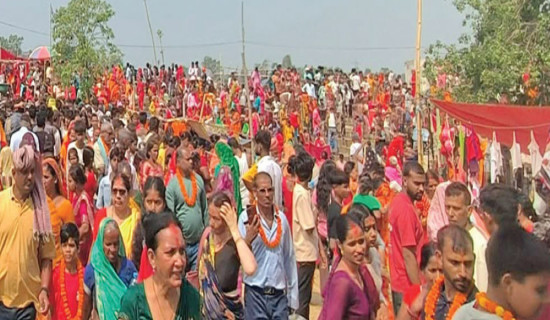
The electoral process for the impending federal and provincial legislatures has entered a new phase since the 3rd of November (Thursday). Political parties, their candidates as well as independent nominees have intensified their canvassing in all the constituencies across the country. The election code of conduct issued by the Election Commission (EC) permits the political parties and contestants to organise rallies, mass meetings and corner meetings as part of their poll campaigns only 17 days before the polling date. They have also kicked off their door-to-door publicity drives to attract voters. Candidates can carry out their publicity through print media as well until the beginning of the silence period. In its bid to make sure that all the parties and candidates make fair play in electioneering, the poll authority has alerted them against influencing voters inappropriately. The EC’s restraint comes at a time when many nominees are found defying laws and the poll code. It, however, does not interfere in electioneering performed by the parties and contestants when they make promises to voters based only on their respective election manifestoes.
The EC has remained dedicated to enforcing the election code of conduct effectively to hold the November 20 elections in a free, fair and fearless manner. As of Wednesday, the constitutional body has sought clarifications from as many as 71 individuals and organisations for flouting the poll code and rules. It is planning to complete the process of taking action against such individuals and institutions by November 11. The parties and contenders are also required to strictly follow their poll expense limit as fixed by the EC. They must submit the details of money spent on making stages to organise mass meetings aimed at sharing their plans and programmes with the masses. However, it is a tricky job for the commission to effectively monitor the expenses made by the parties and candidates during their election campaigns. As requested by the EC, the Ministry of Home Affairs (MoHA) has entrusted the Nepal Police and National Investigation Department with the responsibility of overseeing the poll expenditures of the political parties.
There is a legal provision for all the political parties taking part in any poll to submit their election expense details to the EC within 15 days of the polling date. The EC can initiate the process of investigation into the parties' expenses if the expenditure details submitted by the parties and the security bodies do not comply with each other. The EC has also made it mandatory for all those holding public positions, including the prime minister and ministers, to get its approval before going for any poll campaigns. This provision has been introduced in order to check the misuse of public resources for electioneering. The parties and candidates should also exercise restraint while canvassing to avoid possible skirmishes and other untoward incidents.
Meanwhile, the Election Commission on Wednesday issued a seven-point instruction to the government to hold the forthcoming polls in a free, fair and fearless environment. It called on the government to direct the responsible bodies of the federal, provincial and local governments to ensure fair polls. It also called for ensuring smooth and regular operation of transportation services to the offices of the chief returning officers in district headquarters and offices of the election officers. The relevant authorities need to repair and maintain the roads leading to the polling stations and polling centres and make arrangements to digitally display vital poll information to the public.