- Wednesday, 27 May 2026

Use Social Media Prudently


Social media, driven by advanced internet technology, has been an effective tool to provide information, knowledge and entertainment to the people. Facebook, Twitter, TikTok, WeChat, Viber and other networking sites have become popular among their users. Also known as the new media, they have served as viable platforms for sharing views, connecting with unfamiliar persons and raising public issues vigorously. They are used for diverse purposes ranging from emotional gratification to professional growth to the business promotion.
The social media has generated public awareness unprecedented level, becoming a crucial agent behind social and political changes. In addition to the means of fast communication, it is also a promotional tool for selling new products, encouraging the people to attend events, launching new courses and conducting researches. Nonetheless, it has been widely realised that social media has both positive and negative impacts in the society. Excessive use of social media has invited mental, physical, emotional and social problems because it is also abused to bully others, put undue pressure on peers and spread malicious rumours against the targeted persons. Cyber bullying, which is a type of harassment, has emerged as a dangerous malaise of virtual world.
Building relationships
Generally, social media refers to the means of interactions in which the users create web content, share, or exchange information and ideas with the virtual communities. It is increasingly becoming an integral part of the people’s daily life. It has different forms such as blogs, micro-blogs, wikis, social networking sites, photo-sharing sites, instant messaging, video-sharing sites, podcasts, widgets, virtual worlds, and more. It helps users build relationships with other people, increase visibility and educate themselves. Social media is not just about pulling customers to the brands of business companies but it also facilitates the people to share their expertise.
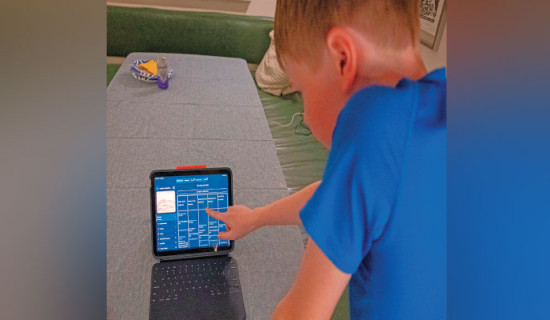
These days, digital sites have greatly affected teenagers and kids. Computers, video games, social networking sites are the main medium of entertainment for them. Just a decade back, most of the people had no easy access to internet and mobile phones. So, the youngsters mostly used to pass their leisure time by meeting and playing with their friends.
This had positive impacts on their social and mental growth. But nowadays, they are engrossed in the mobile and video games, which have negative implications for their mental, physical and educational wellbeing. There has been tendency among the youngsters not use to social sites for creative goals. The unlimited use of social media has led them to anxiety, depression and sometime suicide. Therefore, the parents should keep an eye on their wards to make sure that the latter are using the social sites properly.
According to a study, more than 4.5 billion people use social media for the purpose of entertainment, knowledge and news. A survey by Pew Research Centre discloses that the use of social media is correlated with having more friends and more diverse personal networks, especially within emerging economies. Around 40 per cent of the world’s population spends an average of two hours on social media every day, sharing, liking, tweeting and updating the news, photos and posts, according to some reports. In a survey conducted among 1,800 people, women reported being more stressed than men. Twitter was found to be a “significant contributor” because it increased their awareness of other people’s stress.
As the students immersed themselves in digital devices, they do not take their meal on time and proper rest, hitting their daily work and routine. A study published in the journal 'Computers and Human Behaviour' states that people who report using seven or more social media platforms were more than three times as likely as people using 0-2 platforms to have high levels of general anxiety symptoms. Two studies involving more than 700 students found that depressive symptoms, such as low mood and feelings of worthlessness and hopelessness, were linked to the quality of online interactions. Spending more time on social media, the researchers said, could displace face-to-face interaction, and can also make people feel excluded.
American Journal of Preventive Medicine that surveyed 7,000 people aged 19 to 32 has found that those who spend the most time on social media were twice as likely to report experiencing social isolation, which can include a lack of a sense of social belonging, engagement with others and fulfilling relationships. “The additional time spent on these online networking destinations, the less time they will go through associating face to face with others. This decreases their relational abilities. They won't have the capacity to convey and mingle adequately face to face with others. The businesses are getting increasingly unsatisfied with the relational abilities of the new graduates,” it states.
Gaining credibility
Social media affects people differently, depending on pre-existing conditions and personality traits. In a publication ‘Journal of Social and Personal Relationships,’ researchers tasked 34 pairs of strangers with having a 10-minute conversation about an interesting event that had happened to them recently. The addictive piece of the online networking is awful and can exasperate individual life also.
Social media provides a platform where one can share his/her knowledge and gain credibility of his/her profession. The web-based social networking has turned into a routine for every individual.
However, if the people spend less time on social media platforms, they are likely to get engaged in more productive works. It is advised that the people should not scroll on the screens in the morning or before going to bed. They better turn off notifications and only check social media at certain times.
They should create a list of content that gives a feel-good to them. Social media can be used for both creative and destructive purposes, and it is up to the users to make a choice.
(Neupane is a producer and presenter at Nepal Television)