- Thursday, 28 May 2026

Nepali Army to explore unification foot trails

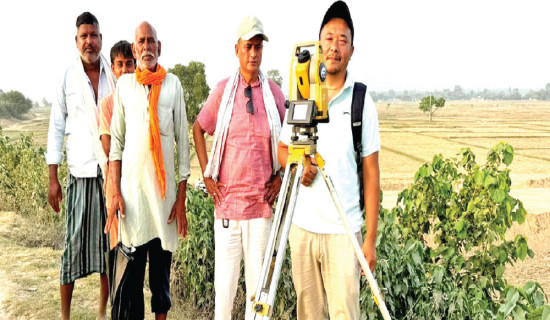
By Our Correspondent Dadeldhura, July 2: Nepali Army troops have set out to explore the foot trails used by the Gorkhali forces under King Prithvi Narayan Shah during his national unification campaign.
King Prithvi Narayan Shah built present Nepal by unifying small principalities popularly called Baise (22) and Chaubise (24) states from 1743.
Nepali Army forces have started exploring the foot trails from the then Doti kingdom and have established a fort at Khalanga, the district headquarters of Dadeldhura. The army has said that it plans to explore the trails from the Amargadhi Fort of Dadeldhura in the east to Khaptad in the west.
Professor Kamal Raj Singh Rathore of the Nepali Military Academy said that the army was looking to study these foot trails for historical pride, to study the past and increase tourism.
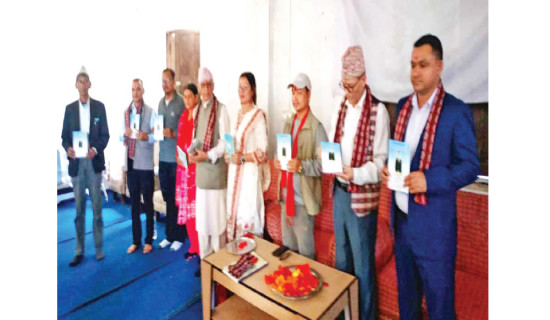
On Wednesday, Nepali Army Ranadal Bam Battalion, Dadeldhura held a discussion programme with stakeholders to explore the foot trails used during the unification.
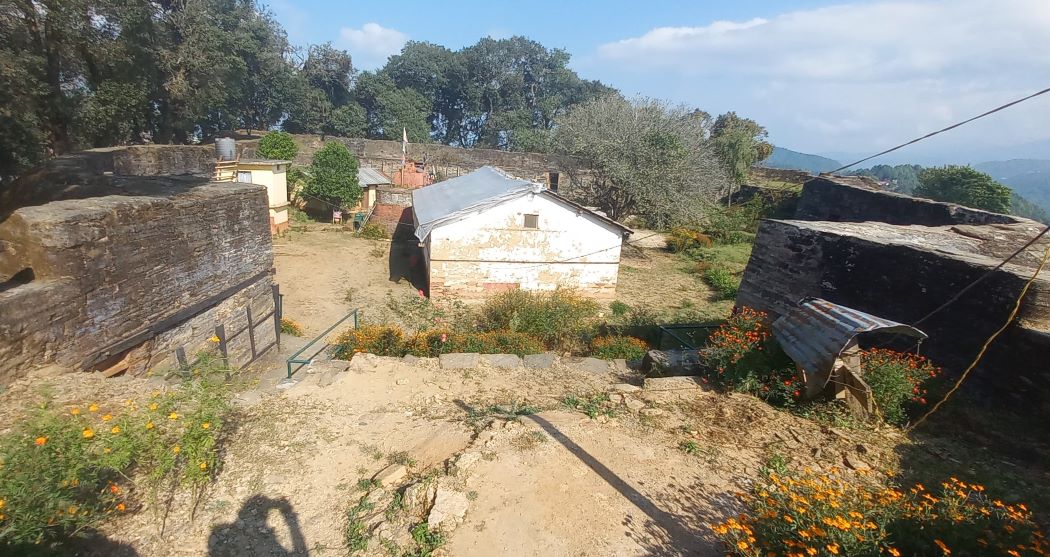
Amargadhi Fort is located at the top of a hill in Dadeldhura’s district headquarters. Amar Singh Thapa, who was a commander during the unification campaign, arrived at Amargadhi and established the fort in 1790.
According to Prof. Rathore, Amargadhi is the largest fort of the country. It occupies an area of 14 and a half Ropanis and is made of large stones, wood and mud, said Dr. Binod Thapa, associate professor of the Central Department of History, Tribhuvan University.
According to the army, soldiers led by Amar Sigh Thapa arrived in Dadeldhura on foot from Baghkhor, Hulakbato, Syaule, Bhamtaleko Naula, Rai Sallaghari, Raduvakhola, Anandyagada, Bedapani, Dawali, Sakayal, Swachheda, Koralkhola, Dobhaipya Shera, Gahanan Setinadi, Banadungrishen, Nadigrishi, and Samahugad and played a crucial role in expanding the state up to Kangara, using Amargadhi as his base.
Now, the army plans to relocate these trails by walking along them.
Kabindra Bhatta of Nepal Tourism Board said that the Board would work with the army and Tribhuvan University, local governments and other stakeholders to study the foot trails.
Nepali Army has been conducting such foot trail identification campaigns every year in different parts of the country since 2017. This year, this campaign will work to under the Amargadhi Fort Khaptad Integration Trail, Bhatta said.
He said that tourists could be attracted by connecting the historical, religious and natural heritages of the place by identifying the integration route and spreading the message of it to the tourists who visit Nepal.