- Wednesday, 10 June 2026

World Environment Day
Electric vehicles an option for clean Kathmandu: Experts (with video)
By
Mahima Devkota, Kathmandu, June 5: World Environment Day
is celebrated today, June 5, to encourage people and authorities to take action
for protecting the environment.
This year’s theme is, “Only One Earth”.
Despite the imminent danger, the global community is lagging
far behind in protecting the environment as evidenced by global warming,
pollution, and climate change.
Each year, the issues of the environment are highlighted on
the environment day but concerned authorities seem to be forgetting to walk the
talk as a result, manmade activities such as urbanization, industrialization,
mining, and exploration are at the forefront of global environmental pollution.
According
to the report of the European Commission, Co2 produced by human activities is
the largest contributor to global warming. By 2020, its concentration in the
atmosphere had risen to 48 percent above its pre-industrial level (before
1750).
Drying water spouts and water resources, melting snow,
rising temperature, smoke mixed air, and endangering biodiversity and ecosystem
are the clear signs of the impact of environmental pollution and manmade
activities are the biggest contributor to it.
Debris
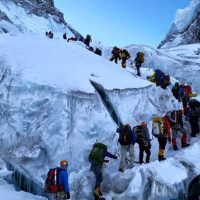
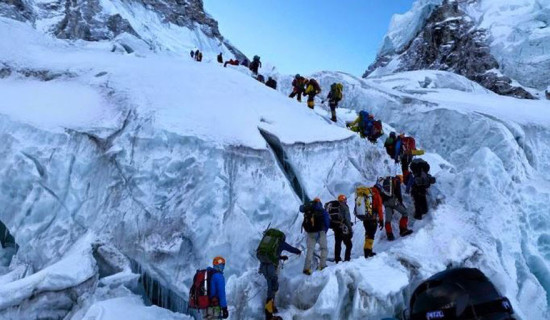
filled Mount Everest
Mount Everest (Sagarmatha) and Nepal are each other’s
synonyms, but the country’s pride also could not remain unscathed by pollution.
Each year a ton of debris is added to it and this issue has been the talk of the town
even on international platforms. Lately, the government of Nepal has taken
initiative to clean the mountains including Everest, and every year tons of
debris are collected and disposed of.
Country’s
Capital six most polluted cities in the world
Air
pollution is proving to be one of the world’s biggest health hazards to people
around the world, contributing to about seven million premature deaths
annually, of them, 3,600,000 are children, the report said.
As per a report about the Capital City Ranking, 2021,
Kathmandu, is listed as the sixth most polluted city in the world.
On the global front, the report finds that only three
percent of cities and no single country met the latest World Health
Organisation (WHO) PM 2.5 annual air quality guidelines.
Air
Pollution contributor to global warming, climate change
Global warming is caused by a blanket of air pollution
that traps heat around the earth. This pollution comes from cars, factories,
homes, and power plants that burn fossil fuels such as oil, coal, natural gas,
and gasoline.
Burning coal, oil, and gas produce carbon dioxide and
nitrous oxide. Cutting down forests loses the beneficial effect that is, trees
absorb Co2 from the atmosphere and regulate climate, and carbon stored in trees
is released into the atmosphere, adding to the greenhouse effect.
When
it is said that air pollution is an active tool for global warming and climate
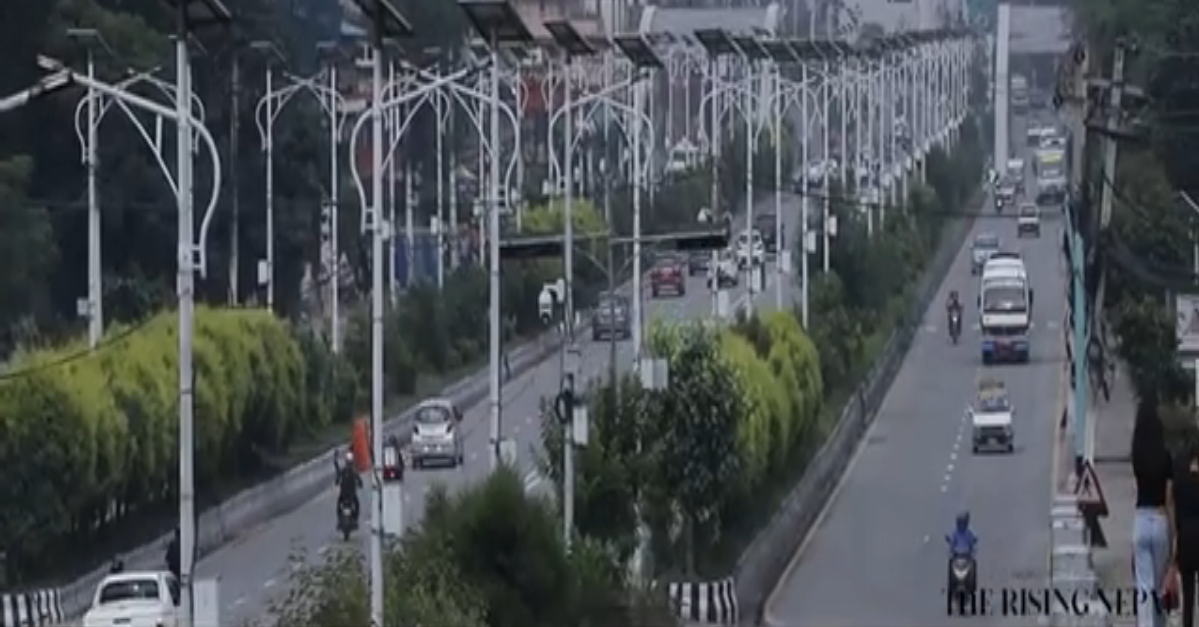
change, research shows that the Country’s capital is among the most polluted cities in
the world, and the biggest contributor to air pollution in the capital is the
emissions from vehicles.
Biggest
contributor to air pollution in Valley: smoke from vehicles followed by household
emissions and brick kilns
Experts have emphasized using electric vehicles in
Kathmandu and repairing the old vehicles that emit smoke to improve air
quality, saying that smoke from vehicles is the greatest contributor to air
pollution in the Kathmandu Valley.
According
to Professor Dr. Ram Prasad Regmi, Department of Physics, Tribhuvan University,
the biggest contributors to air pollution in the Valley is the smoke from
vehicles followed by household emissions and brick kilns.
“We had conducted a survey assessing the air
quality of air in the Kathmandu Valley in 2018 at the request of the Department
of Environment under the Ministry of Environment and Forests. The survey found
that 70 percent of the smoke and emission from vehicles needs to be cut down in
the valley to meet the standard national air quality index. Along with this,
the carbon emission from brick kilns needs to be cut down by 60 percent to meet
the air quality standard, he said.
“Similarly, emissions from households need to be
controlled by 80 percent as well,” He said while adding that the effective way
to control emissions from vehicles is to opt for the electronic vehicles,
planned urbanization as well as to manage the public vehicles by cutting off
overload of passengers in the valley.
Need
for electric vehicles
Dr. Khem Karki, an air pollution expert, viewed that
with many open burn sources and different types of outdated vehicles operating
around the city, a large amount of pollution comes from combustion sources.
Outdated vehicles often relying on diesel or petrol, pour black carbon, which
can permeate the atmosphere in areas of high traffic as well as coating it with
black accumulations.
Dr. Karki said, “The accumulated dust and smoke in the
Kathmandu Valley does not get the proper outlet and they remain in the
atmosphere because of which the pollution level is further augmented. The only
way for smoke and dust emissions to be clear from the sky of Kathmandu is
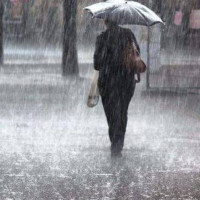
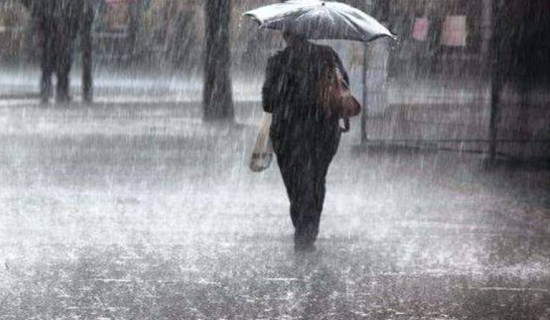
through rainwater. Depending on rainwater is not a very reliable option,
therefore, a way out is the use of electronic vehicles. For that, the
government must exempt taxation and encourage consumers to buy electric
vehicles.”
Need
for Planned Urbanization
Similarly, unplanned urbanization in the Valley has added to the pollution. People from across the country come to the Valley chasing their dreams as there is a lot more to explore in the capital.
Therefore, decentralized development is seen as a need for not only the overall
development of the country but for the reduction of the air pollution in the
capital as well.
While
urbanization is not in itself littering, large quantities of people living,
producing trash and littering in a dense area doses inevitably lead to land
pollution. The lack of planned urbanization in the country has invited problems
like piling debris around the major cities and ill management of waste, which
is the very much reality of the Kathmandu Metropolis.
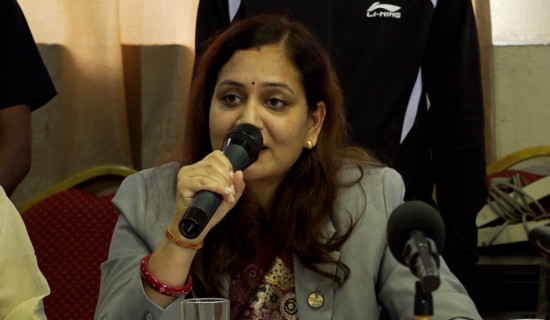
Sarita Rai, Head of Environment Management under
Kathmandu Metropolitan City (KMC) acknowledged that there is a need of better
policies to address the waste management issues in the capital.
She shed light on some activities done by the metropolis in a bid to protect in the current fiscal year, that is the plantation
of 500 trees in the metropolis, initiation of the recharge Kathmandu project
for mitigating issues of climate change, an effort to provide cloth bag in an
attempt to reduce plastic bags, city cleaning campaign under which road
cleaning and planation are done, cleaning of water resources and river stream.
She assured that the upcoming fiscal policy will focus
on the management of solid waste in the country as well as making the environment safer
and cleaner.
Health
impacts of Environmental Pollution
Dr. Rabindra Pandey, a public health expert, said that
environmental pollution has an overall impact on health. Both short and long-term
exposure to pollution has been associated with health impacts. More severe
impacts affect people who are already ill. Children, elderlies, and people from
humble backgrounds are more susceptible to pollution.”
“Exposure to high levels of air pollution can cause a
variety of adverse health outcomes. It increases the risk of respiratory
infections, health diseases, and lung cancer.
Similarly, improper disposal of municipal waste can
create unsanitary conditions, and these conditions in turn can lead to
pollution of the environment and to outbreaks of vector-borne disease.
As per the report of the World Health Organisation,
contaminated water and poor sanitation are linked to the transmission of
diseases such as cholera, diarrhea, dysentery, hepatitis A, typhoid, polio and
malaria. All these diseases are still a threat to our country.
Lost
opportunities for green financing
There are many international orgnaizations that are
moving forward in supporting Nepal for climate and environmental issues, but
due to some unclear understandings of the definition of green, some major financing
measures are slipping away from the country.
A background policy paper on green financing in Nepal has pointed out that the lack of capacity and awareness of green finance along the value chain, shortage of long-term finance, lack of a pipeline of bankable green projects, limited credit information, and lack of transparency on climate-related disclosure and data are some barriers to green financing in Nepal.