- Tuesday, 26 May 2026


TRN Online
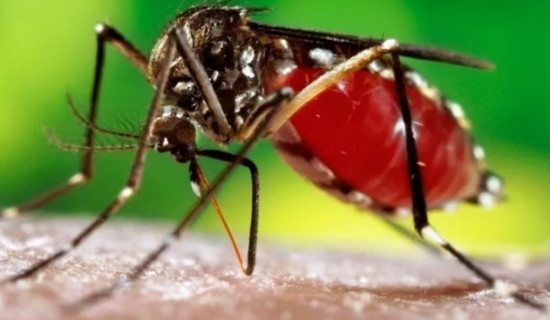
Dengue toll rises to 54, with 46,768 infected
So far, 54 people have died from dengue. Since mid-July early this year, 46,768 people been reported being infected with the dengue virus, according to the Ministry of Health and Population.
Independent candidates busy campaigning
Independent candidatures vying for the post of member of the House of Representatives and the Provincial Assembly have intensified their campaigning in their respective constituencies.
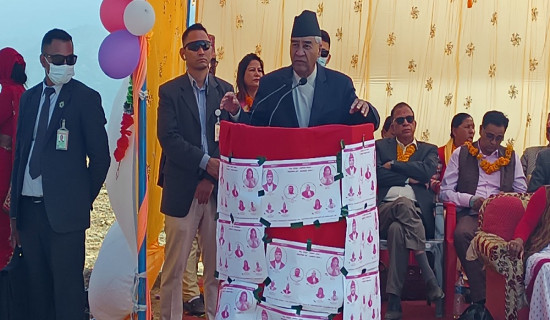
Alliance government even after election: PM Deuba
Prime Minister Sher Bahadur Deuba has said it was necessary for the country to have the government of ruling alliance even after the election. "The alliance government is imperative after the election to protect constitution inclusive politics," PM Deuba, who is also the President of Nepali Congress, said, adding that the democracy and inclusive constitution gained with many efforts must be protected.
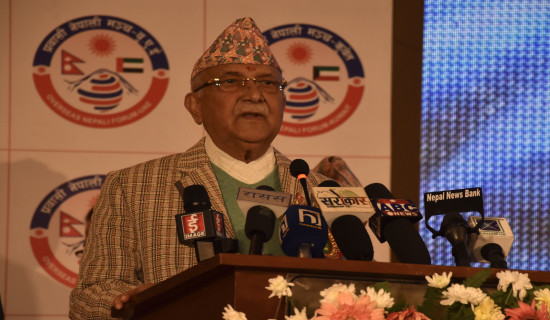
Chair Oli for prosperous country
CPN (UML) Chairperson KP Sharma Oli asserted that the time had come for the initiatives to ensure prosperity in the country.
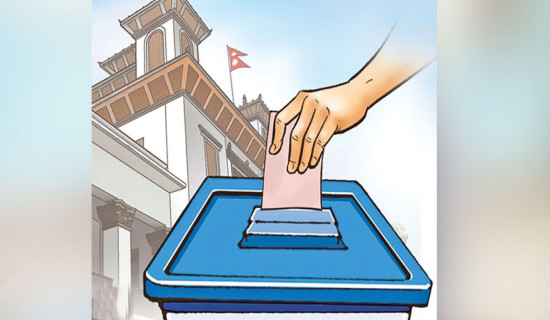
Voter education programme launched in Baitadi
The voter education programme has been launched in all local levels of the Baitadi district in view of the November 20 election to the House of Representatives and Province Assembly.
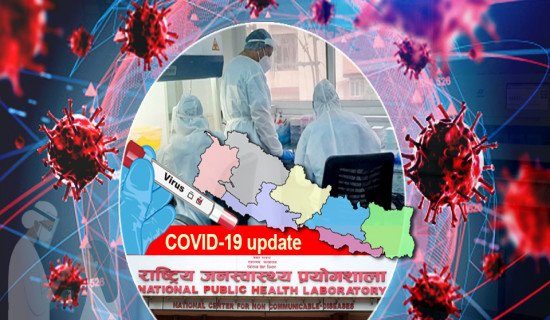
16 new cases, active caseload stands at 562
A total of 16 new cases (RT-PCR and antigen tests combined) of COVID-19 have been confirmed on Saturday while 17 people recovered from COVID-19.
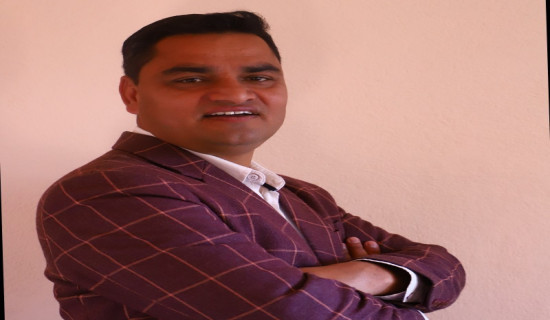
Keep tabs on representatives: Leader Poudel
Nepali Congress leader Pradip Poudel has said people should keep tabs on their representatives. If the representatives are involved in the wrong works, people can initiate an investigation.
-original-thumb.jpg)
It's my duty to develop nation: PM Deuba
Prime Minister Sher Bahadur Deuba has said that it is his duty to develop the country. Addressing the election gathering organized by the Unified Democratic Alliance in Ajayameru Rural Municipality, Dadeldhura, on Saturday, PM Deuba said, “I have become Prime Minister of the country five times, now, I will be focused on the development of Far Western and prosperity of the nation.”
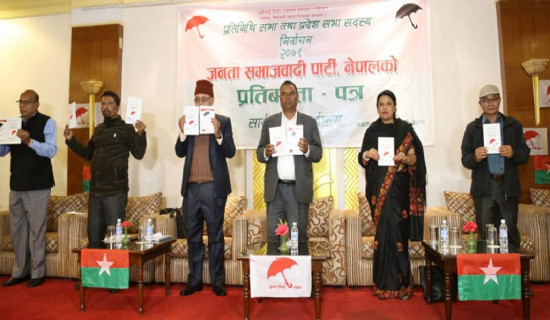
JSP unveils election commitment paper
Janata Samajwadi Party (JSP) Nepal has unveiled its election commitment paper. On Saturday JSP made public the commitment paper for the elections for House of Representatives (HoR) and Provincial Assembly (PA) members.
-original-thumb.jpg)
Election materials shipped to Humla (Photo Feature)
Election materials have been shipped to Humla through a chartered helicopter of the Nepali Army. Humla, a mountainous district is yet to be connected with the national highways.

Democratic-left alliance candidates pledge to go with trust among people
Candidates vying from Chitwan constituency no 3 representing the democratic-left alliance in the upcoming parliamentary elections have assured that they would go to people with trust.

Int’l conference of oncologists kicks off in Jhapa
An international conference of oncologists ‘Purbanchal Cancer Congress 2022’ began at Mechinagar of Jhapa district today.
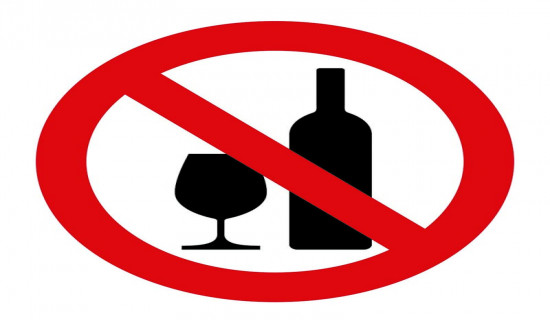
Sales of alcohol banned in Doti
The District Administration Office (DAO) in Doti has banned the sales and distribution of alcohol in view of the upcoming election. The House of Representatives and Provincial Assembly elections are scheduled on November 20 this year in a single phase.
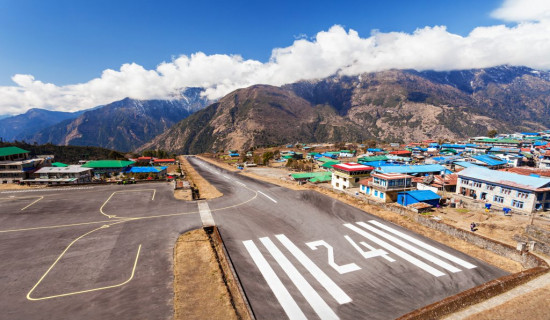
Lukla airport's runway ranked world's third most beautiful
Perhaps more infamous as one of the world’s most dangerous airports, Tenzing-Hillary Airport, also known as Lukla Airport, is the main gateway for trekkers visiting Mount Everest Base Camp. Elevated at 9,334 ft, the airport is surrounded by majestic mountains with snow-capped peaks that are often shrouded in cloud, making it an awe-inspiring sight for visitors.
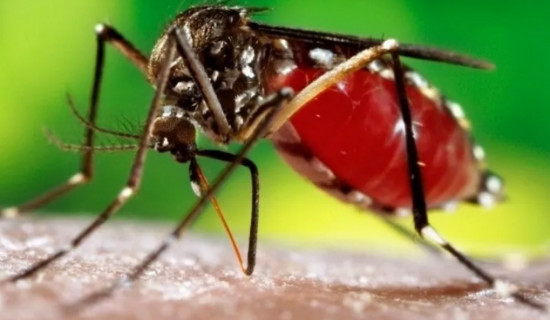
Dengue cases increase in Tanahu
Cases of dengue disease are on the rise in Tanahu even with the onset of the winter season. Hospitals in the district headquarters are crowded with dengue patients with increasing cases of dengue patients.
.jpg)