- Tuesday, 26 May 2026

TRN Online
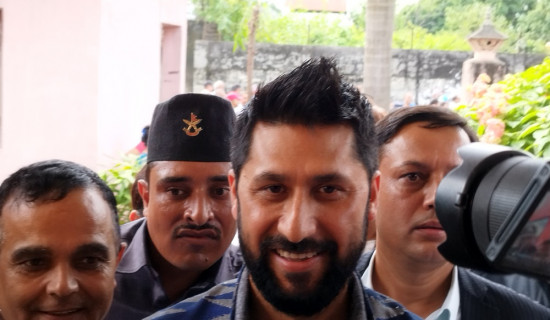
Commission begins investigation against Citizenship Issue of Rabi Lamichhane
Election commission initiated the investigation against petition file against candidate of Chitwan, constituency no 2, Rabi Lamichhane.
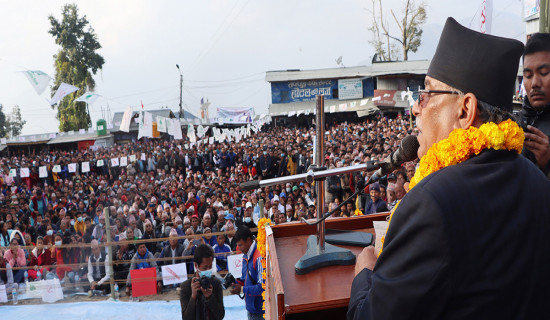
Coalition's victory necessary for development, prosperity: Chair Prachanda
Chairman Prachanda argued that the coalition has been formed to lead the country to development and prosperity while safeguarding nationality, constitution, and achievements made so far.
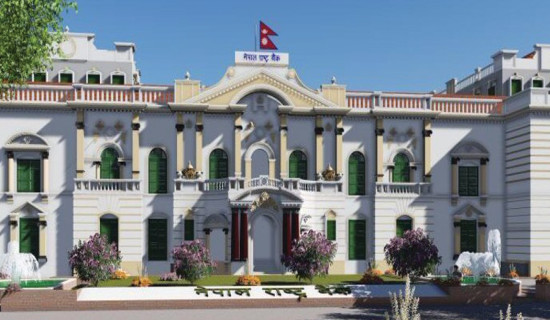
Remittance inflow sees 17 percent rise
The country received remittances of Rs 281 billion in three months (review period) of the current fiscal year, a 17 percent rise compared to remittances inflow in the corresponding period last year.
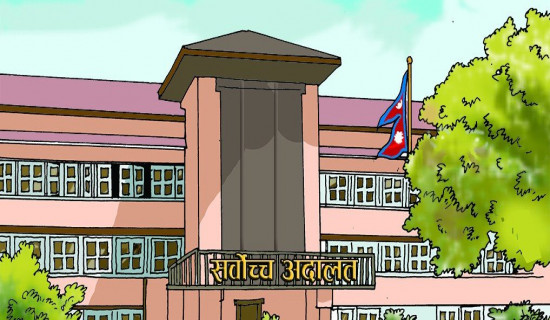
SC allows Media Hub to charge audience Rs. 500 for live broadcast of FIFA World Cup
Supreme Court has overturned its interim verdict against charging an extra fee for watching FIFA World Cup on television channels ensuring that the Media Hub Pvt. Ltd. can charge such an extra fee.
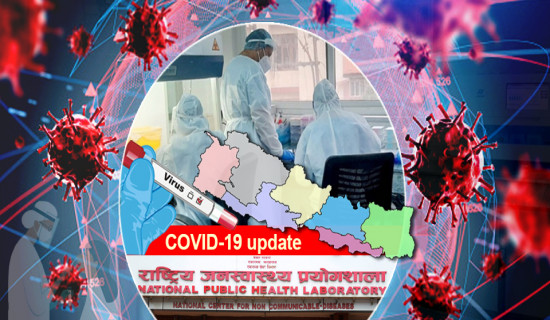
Nine new cases, active caseload stands at 475
A total of nine new cases (RT-PCR and antigen tests combined) of COVID-19 have confirmed on Wednesday while 24 people recovered from COVID-19.
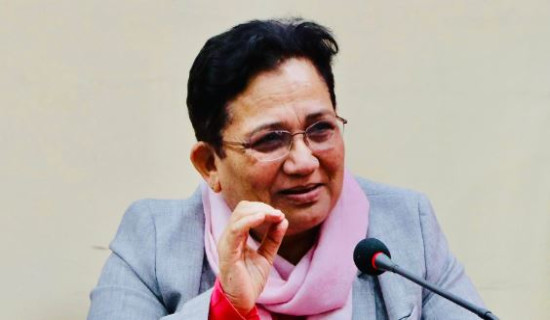
Bhusal confident of ruling Alliance’s victory
Minister for Energy, Water Resources and Irrigation, Pampha Bhusal, has said the ruling parties’ alliance will be in a position to form a stable government under its leadership in the federal and the entire province level following the elections to the House of Representatives (HoR) and Province Assembly.

IED goes off near ruling coalition's assembly spot
CPN (Maoist Center) Chairman Pushpa Kamal Dahal ‘Prachanda’ among other ruling coalition leaders is scheduled to address the assembly.
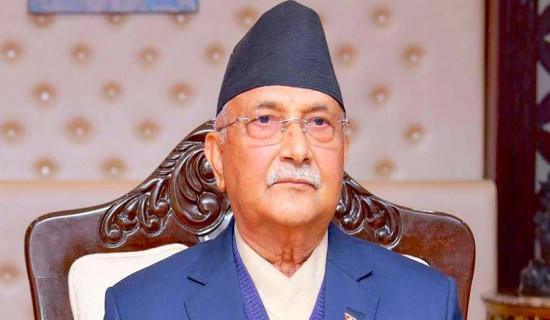
Prosperity possible through existing form of governance: CPN (UML) Chair Oli
CPN (UML)’s Chairperson and former Prime Minister KP Sharma Oli has said the nation’s existing form of the governance could take us towards the development and prosperity.
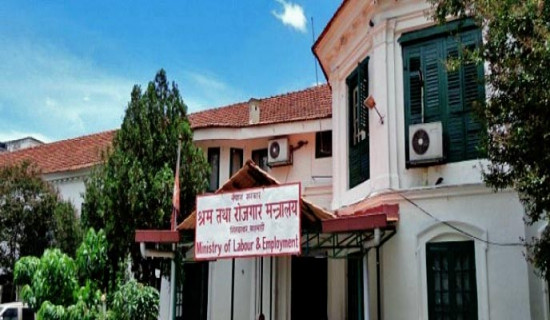
'Do not go after middlemen': Ministry of Labour
The Ministry of Labour, Employment and Social Security has urged all service-seekers not to go after middlemen since, it said, all services related to foreign employment had gone digital of late.
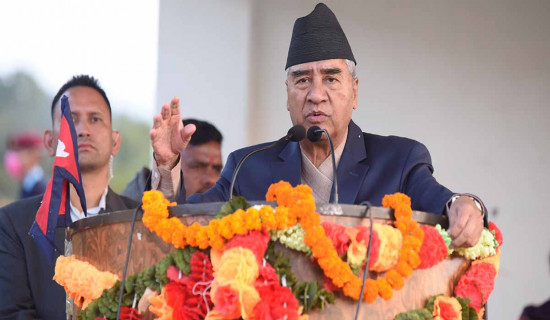
We will keep coalition for long, work for development: PM Deuba
Addressing an election rally at Bogata, Bhageshwara Rural Municipality-4, PM Deuba, who is also president of the Nepali Congress, argued that the ruling coalition was formed as the threat to violate the constitution increased.
-original-thumb.jpg)
46 organisations, including two foreign, to be deputed on election observation
Forty-six organisations, including two foreign ones, are to be mobilized for the observation of the House of Representatives (HoR) and Provincial Assembly Member elections on November 20.

Belgian national provides financial assistance to orphanage in Ilam
im Tense, a Belgian Youtuber, has provided financial assistance to Rahashal Orphanage in Ilam district.
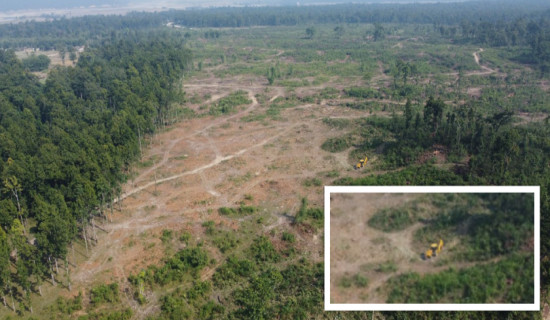
70 per cent trees cut down for construction of Sagarmatha Domestic Airport
A total of 13, 637 trees of 9,280 kinds located in the 62. 30 hector area of Motihayi Forest Consumer Group and 42. 80 hector area of Kang Forest Consumer Group are to be cut down, and till Tuesday, 70 per cent of trees have been cut down
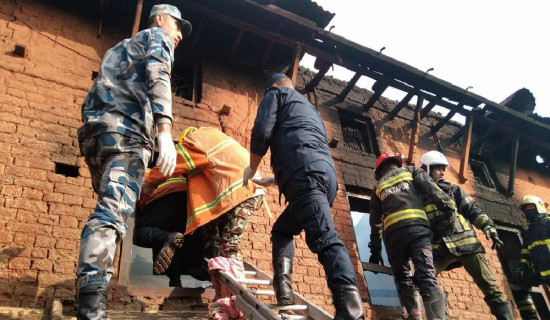
Fire kills one, hurts one in Madhyapur Thimi
A woman was killed in a fire in Madhypur Thimi municipality- 6 of Bhaktapur this morning.
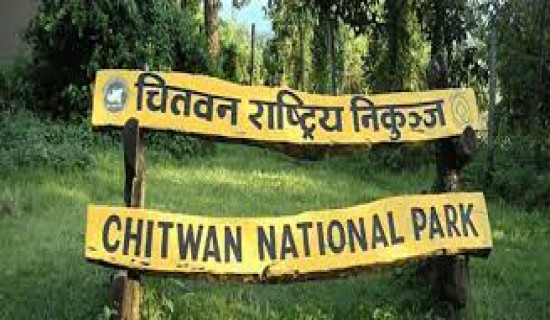
49 wild animals killed in four months in CNP
Forty-nine wild animals have died in the Chitwan National Park (CNP) in four months. The largest number of the dead animals comprises of 28 spotted deer. Ganesh Prasad Tiwari, information officer of the CNP, said 17 of these animals have died in attacks by dogs and one each due to road accident and getting stuck in bog.
