- Sunday, 7 June 2026

Research calls for stronger evidence culture in environmental policies

By A Staff Reporter
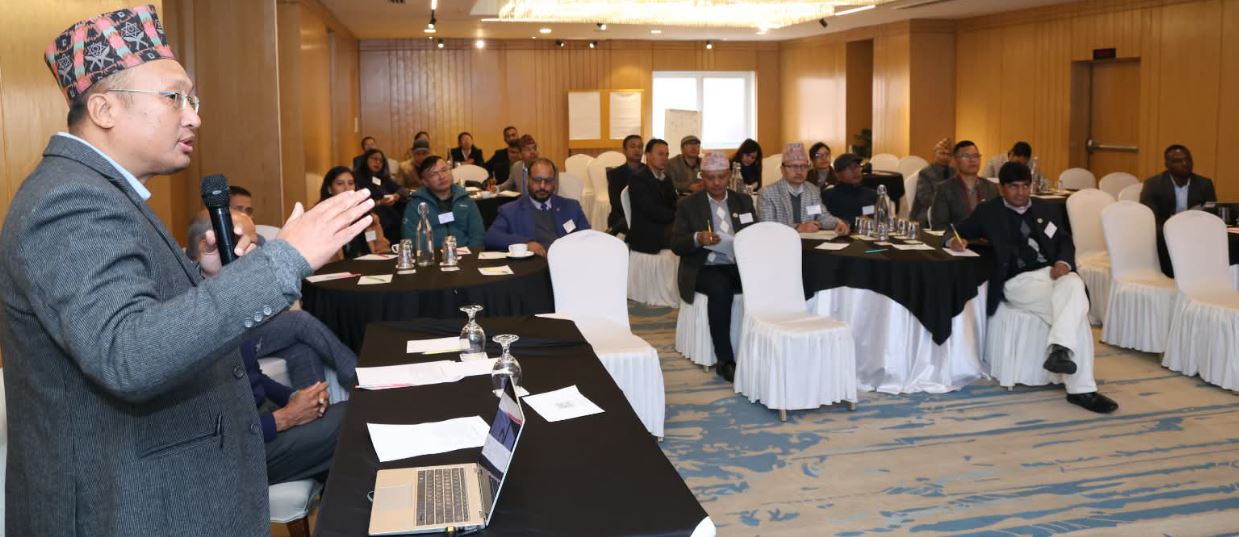
Lalitpur, Jan. 27: The Institute of Forestry, Tribhuvan University in collaboration with Brunel University, London and Western University, Australia, organised a dissemination workshop on Monday to share the findings of the research project entitled 'Evidence-Informed Policymaking on Nature in Nepal'.
The project was supported with funding from the British Academy and began with an inception workshop held in May 2025.
The workshop brought together senior officials from Ministry of Forests and Environment, environmental experts, academics, representatives from think tanks, civil society organisations and conservation groups, among others.
The study analysed environmental policy documents, conducted five focus group discussions and 60 key informant interviews, and examined how findings from major Global Environmental Assessments—including IPCC, IPBES and GEO—are reflected in Nepal’s environmental policies.
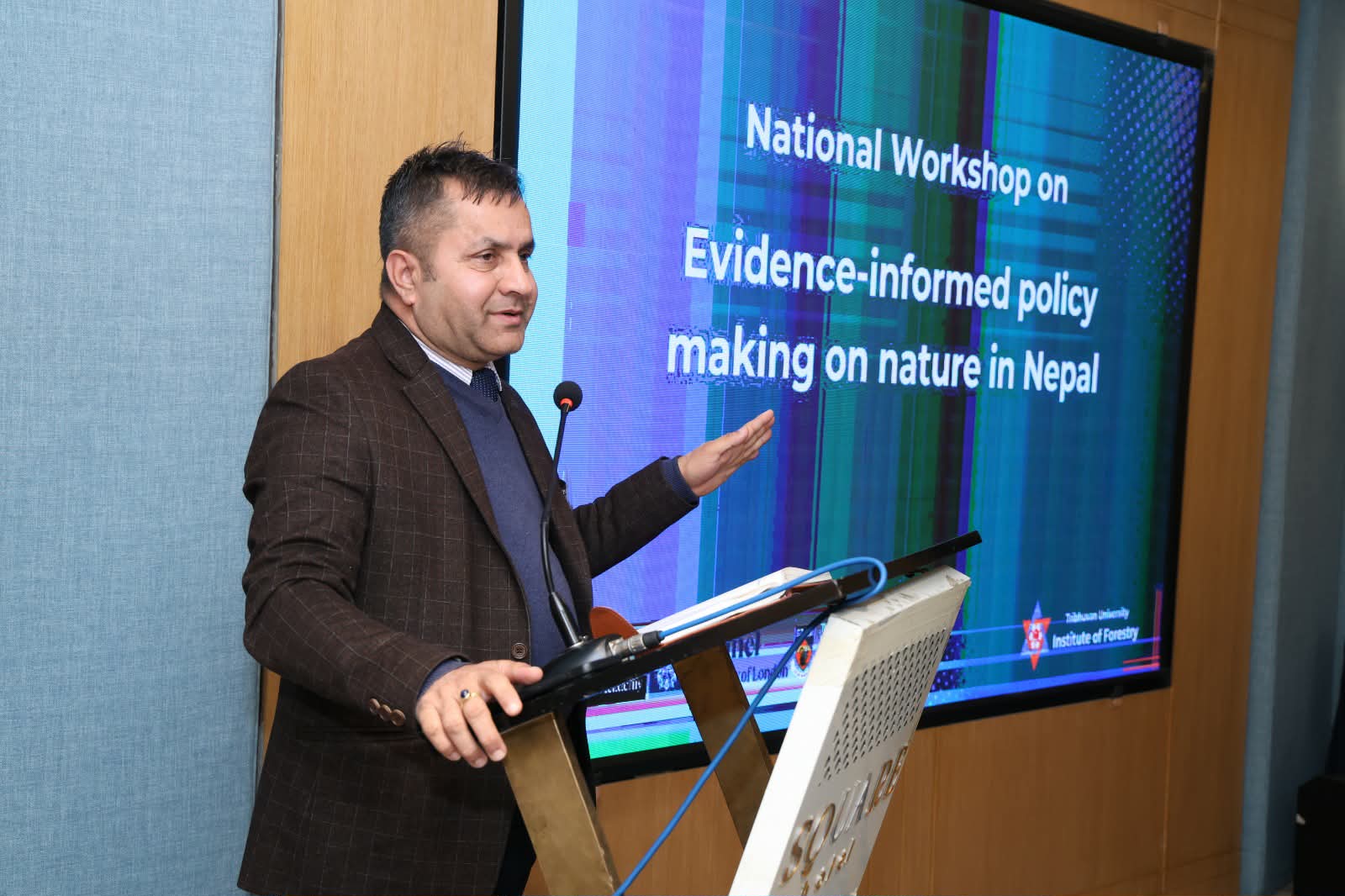
The findings indicate that government reports are the most frequently used sources of evidence.
Among the global assessments, the IPCC has the strongest influence on Evidence-Informed Policymaking (EIPM) in Nepal, followed by IPBES, while GEO has had minimal influence.
IPCC reports have informed the development of climate change policies, the National Adaptation Plan (NAP), Nationally Determined Contributions (NDCs), and the application of concepts such as loss and damage and vulnerability indices in the environmental sector.
Elite interview respondents also noted that IPBES played a catalytic role in the preparation of the National Invasive Alien Species Management Strategy and Implementation Plan (2081).
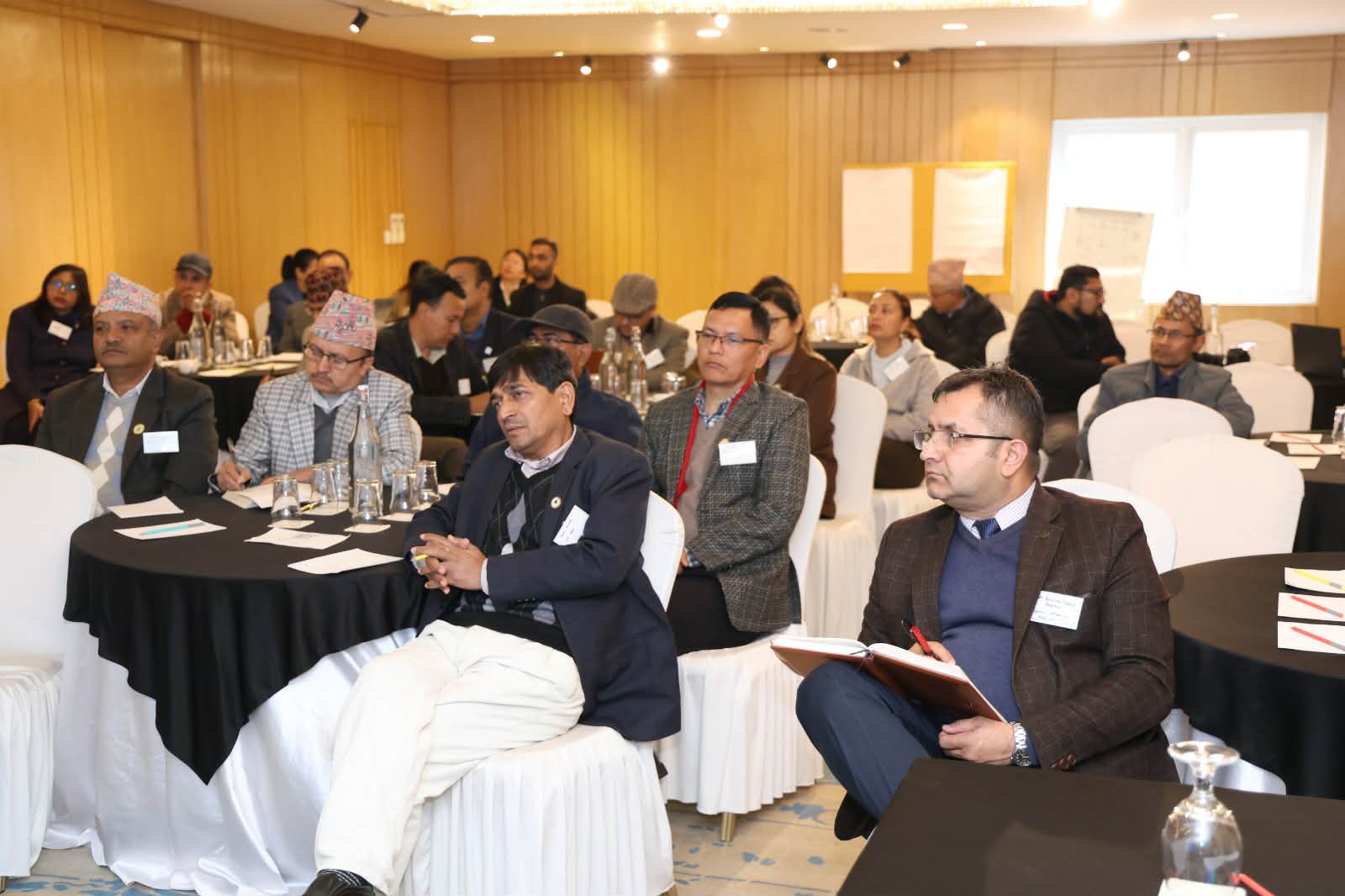
Overall, the study identifies a growing trend toward the use of evidence in environmental policymaking in Nepal.
To further strengthen evidence culture and enhance the use of evidence in policymaking, the respondents have recommended establishing a parliamentary library, translating evidence into local languages, and improving dissemination and accessibility of research outputs.
Respondents also emphasised the need to strengthen national focal points and to enhance pre- and post-event knowledge sharing to support wider dissemination and better preparation for future global environmental assessments.
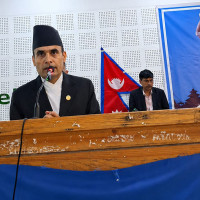
Dr. Govinda Prasad Sharma, Secretary at the Ministry of Forest and Environment, stressed that policies should focus on problem solving through alternative solutions grounded in root-cause analysis. The workshop also featured a presentation by Franklin Odhimabo of the UNFCCC, who highlighted that the importance of countries preparing global environmental assessments.
Research findings were presented by Dr. Ram Pandit, Associate Professor at the University of Western Australia, Dr. Thakur Silwal, Dean at the Institute of Forestry welcomed participants and the workshop was facilitated by Prof. Dr. Rajesh Kumar Rai of Tribhuvan University.



-square-thumb.jpg)