- Sunday, 3 May 2026

Cold snap boosts heater, clothing business
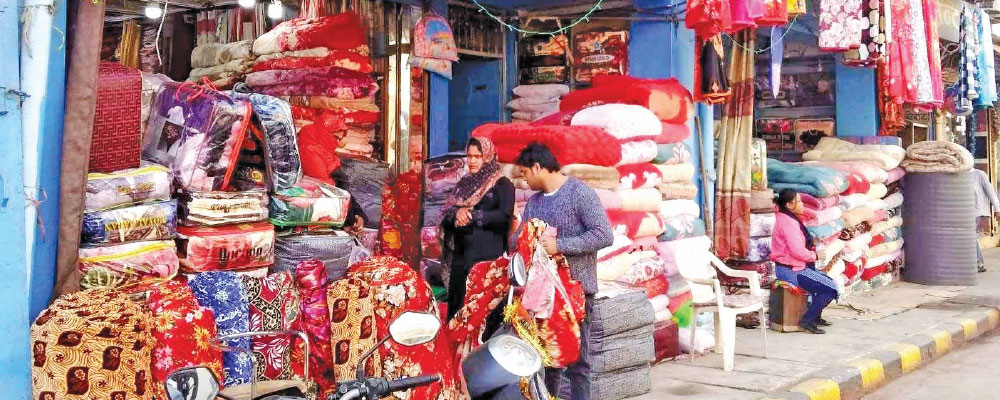

By Siraj Khan,Nepalgunj, Jan. 9: An extreme cold spell since the start of this winter has sharply increased the sale of heaters, geysers, blankets, and other warm clothing in Nepalgunj, local traders said.
As cold weather set in earlier than expected and continued to worsen, daily life has been affected, leading to a surge in demand for electric heaters, electric and gas geysers, and winter clothing, according to the Nepalgunj Chamber of Commerce and Industry.
Chamber President Tank Dhami said traders selling heaters, geysers and warm clothes have been extremely busy. He added that, for the first time in many years, most of the stock of heaters, geysers, and winter wear has already been sold, causing shortages in the local market.
Traders estimated that more than 50,000 heaters and over 15,000 geysers have been sold in Nepalgunj over the past three weeks alone.
Ramesh Gupta, a trader from Nepalgunj’s main market area, said that hundreds of Indian customers from across the border had also been coming to Nepalgunj to buy heaters and geysers.
He said Chinese-made heaters and imported blankets and jackets available in Nepal were affordable and of good quality, attracting buyers from Gonda, Lakhimpur, Nanpara, Bahraich, Rupaidiha and Babaganj in India.
Another trader, Manoj Baishya, said many shopkeepers had stocked fewer items earlier, expecting a mild winter. However, after demand rose sharply, they had to place new orders to meet customer needs.
Similarly, Dinesh Agrawal, a trader from Tribhuvan Chowk, said sales of warm clothes and blankets had increased significantly over the past ten days. He said blanket sales were nearly three times higher than in previous years.
Due to high demand, shortages of heaters, geysers, warm clothes, blankets, jackets, sweaters, and quilts have been reported in the market.
Meanwhile, the Nepalgunj Distribution Centre of the Nepal Electricity Authority said electricity consumption has risen in recent days due to the cold. Increased use of air conditioners, geysers, and heaters has led to higher power demand, the centre said.