- Sunday, 3 May 2026

‘A Father's Love, A Lifetime Of Care’
 Michael Chand
Michael Chand
Michael Chand
“We shall fight on the beaches, we shall fight on the landing grounds, we shall fight in the fields and in the streets, we shall fight in the hills; we shall never surrender!” Inspired by Sir Winston Churchill’s speech during World War II.
Greed is an excessive or rapacious desire for wealth, power, or material possessions, often at the expense of others. It's an insatiable craving that can lead individuals to prioritise their own interests over ethics, morals, or the well-being of others. In the Nepali context, greed (lob) can manifest in various forms, such as: - Corruption: Embezzling funds or accepting bribes - Exploitation: Taking advantage of vulnerable individuals or groups - Materialism: Excessive focus on accumulating wealth or possessions Greed can lead to negative consequences, including social inequality, environmental degradation, and erosion of trust in institutions. This is a true story.
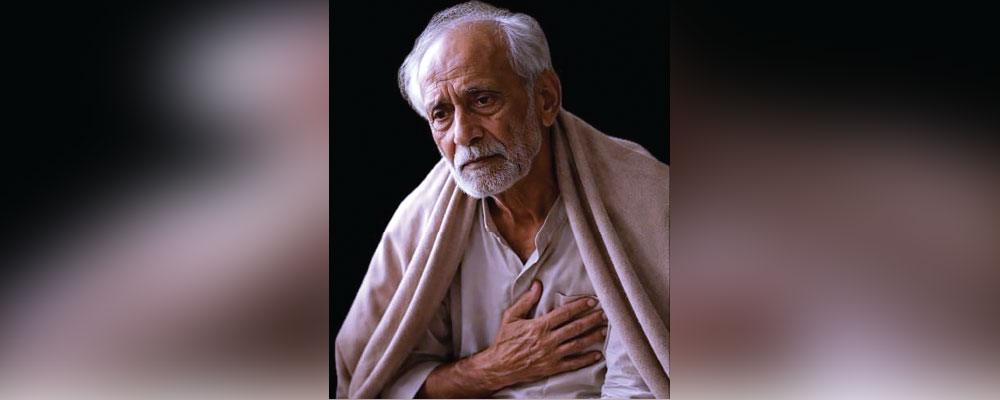
Here, I take the liberty of talking about a man whose greed for medicine has reached an insatiable level. Living in the hustle and bustle of life in Maharajgunj, Kathmandu, and now reeling under a terrible disease, he is becoming feeble day by day due to an excessive intake of medicines for the cure of the sickness he is suffering from. It’s heartening to hear that his children in America are providing him with support in every way possible. It's great to see children looking out for their parent's well-being, no matter where they are in the world. Are they planning to visit him soon, or is he planning to visit them? The level of care required would depend on the nature and severity of his illness.
If he's suffering from a chronic condition, he'd likely need ongoing medical attention, medication, and lifestyle adjustments. Given his children's support from abroad, they might be helping with medical expenses, arranging for treatment, or even providing emotional support remotely. Does he have access to good healthcare facilities and medical professionals in Nepal? This is the question that his children need to address! His children can explore options like: - Medical visa for him to travel to the US for treatment - Telemedicine consultations with US-based doctors - Arranging for local medical care in Nepal, with guidance from US doctors - Medical evacuation insurance, if needed. They can also look into Nepal's healthcare system and facilities to determine the best course of action. The sick man is extremely fortunate to have such supportive children! It's heartwarming to see children going above and beyond to care for their parent's well-being, especially when they are living abroad. Having children who are willing to provide emotional, financial, and possibly even medical support can make a huge difference in his life.
Their support can help alleviate stress, anxiety, and uncertainty, allowing him to focus on his recovery. It's also a testament to the strong bond between him and his children, despite the physical distance between them. Their willingness to help him through this challenging time is a reminder that family ties can transcend geographical boundaries. The support he's receiving can also have a positive impact on his mental and emotional well-being, helping him stay positive and hopeful about his future. It's truly a blessing to have such loving and caring children, and he's lucky to have them in his life! Those who aren't as fortunate as he is often face significant challenges.
Without a strong support system, they might struggle to access quality healthcare, manage medical expenses, or cope with the emotional toll of their illness. In Nepal, many people rely on family members or community support to navigate health crises. Without that safety net, individuals might be forced to rely on limited public healthcare resources or seek costly private care. The emotional impact can be just as significant – feeling isolated, anxious, or hopeless can exacerbate physical symptoms and worsen overall well-being. Without support, the man's situation would likely be much more challenging.
He might have struggled to access quality healthcare, manage medical expenses, or cope with daily tasks. He might have felt isolated, anxious, or hopeless, which could have worsened his physical symptoms and overall well-being. His condition could have progressed, leading to further complications or a decreased quality of life. In Nepal, lack of support can exacerbate health issues, making it harder for individuals to recover or manage chronic conditions. The sick man's children are providing a lifeline, making a significant difference in his life. He might feel a deep sense of gratitude and responsibility towards his children. As they have taken on the responsibility of caring for him, he might want to: - Show appreciation for their efforts and sacrifices - Share his life experiences and wisdom with them - Support them emotionally, even from a distance - Pass on family values and cultural heritage - Pray for their well-being and success He could also try to stay engaged with their lives, offer guidance when needed, and cherish the time they spend together, whether in person or virtually. He could show allegiance by: - Being open about his needs and concerns - Following their advice and guidance - Showing appreciation for their efforts - Sharing his feelings and emotions with them - Staying connected and engaged with their lives - Passing on family values and traditions.
He could also try to stay positive and hopeful, which can be a great way to show his love and appreciation for their care. A simple "thank you" or gesture of love can go a long way in strengthening their bond. This is exactly what the old sick man is doing. With each tablet or capsule swallowed, he shows allegiance to his children, not forgetting some of his old friends who stand by him at the hour of need and urgency. That's so true! A great example is the relationship between Krishna and Sudama from Hindu mythology.
Despite their different backgrounds, they remained close friends and supported each other through thick and thin. In real life, friendships like this can be a source of strength and comfort, especially during challenging times. Close friends can provide emotional support, practical help, and a sense of belonging, making a big difference in one's life. Kindly allow me to reveal the secrets as to who the ill-fated father in the article could be…no other than myself… Michael Chand is now reeling under pancreatic cancer… treatment is on… five cycles of chemo-drip therapies are now going on well! Please bless me! Thanks!
(The author is a retired Radio Nepal broadcaster.)