- Sunday, 10 May 2026

Leprosy threat continues in Nepal
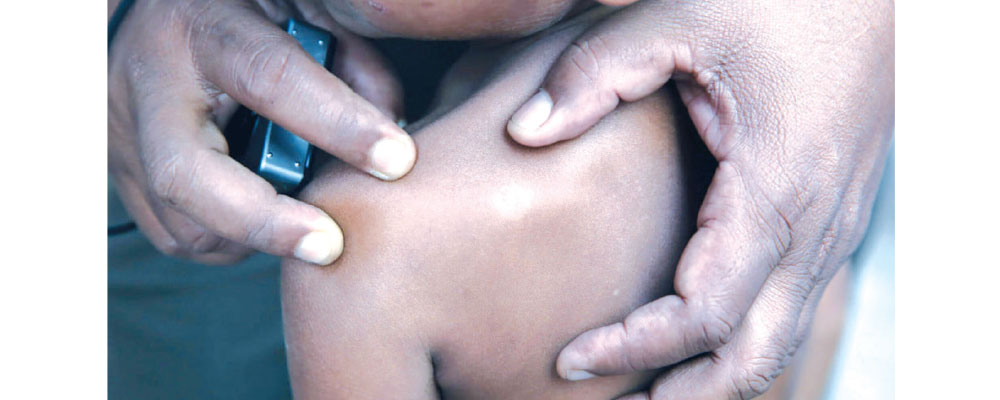

By Pallav Bhusal,Kathmandu, Jan. 29: Leprosy continues to pose challenges in Nepal despite it being declared not a public health problem in 2010. Fourteen years after the declaration, the battle against the disease is still far from conclusion.
The recently concluded fiscal year 2022/23 saw Nepal reporting 2,522 new leprosy cases, according to data from the Epidemiology and Disease Control Division of the Department of Health Services (EDCD).
Dr. Prashanna Napit, Section Chief in the Leprosy Control and Disability Management Section of EDCD, revealed that currently, 2,510 leprosy patients are receiving treatment. Among them, 1,049 are women, and 181 are children under 14 years old. The new patients include 189 disabled, eight of them children.
Dr. Napit highlighted a concentration of leprosy cases in the districts of Madhes and Lumbini Province and informed that one in every 10,000 people is infected with leprosy. Additionally, he noted the presence of leprosy patients in 14 districts across Nepal.
Nepal did achieve a milestone of no longer considering leprosy a public health problem in 2010, hence the nation has now aimed for an even more ambitious target which is the complete eradication of leprosy by the year 2030.
Napit highlighted the persistent challenges in eliminating leprosy. He pointed out that the difficulty lies in the elusive nature of the disease, making it challenging for health workers to detect, compounded by the problem of patients concealing their condition.
“Leprosy is caused by the bacterium Mycobacterium leprae, and has a lengthy incubation period. Typically, it takes about three to five years for symptoms to manifest, but in some cases, the onset can be much later, extending up to two decades or more.
This prolonged incubation period poses a challenge for health providers in determining the time and place of infection. Individuals may not be aware of their exposure to the bacteria, and the slow progression of the disease complicates the accurate tracing of the source of infection,” said Napit.
He underscored the critical role of early diagnosis and treatment. Swift action during the initial stages not only halts the spread of the disease to others but also significantly reduces the risk of long-term disabilities.
Napit informed that there is no vaccine available against leprosy, but recently there are medicines which can help in curing the disease. Leprosy is treated with multi-drug therapy, an approach that combines different types of antibiotics.
Despite progress, recovered leprosy patients continued to complain about enduring societal stigmatisation. They argued that Nepalese law, particularly Section 71 of the Civil Code 2074, perpetuates discrimination against leprosy survivors. This section prohibits marrying a person with leprosy and allows annulment of such marriages.
Leprosy is not highly contagious, and transmission usually requires prolonged and close contact with an untreated individual with leprosy. Early diagnosis and treatment are vital for managing leprosy and preventing complications, highlighting the importance of healthcare providers’ vigilance, particularly in regions where leprosy is endemic.
Additionally, efforts to reduce the stigma associated with leprosy can encourage individuals to seek medical attention sooner, facilitating prompt diagnosis and treatment.
-original-thumb.jpg)
-square-thumb.jpg)