- Wednesday, 27 May 2026

Rising Living Cost


Dixya Poudel
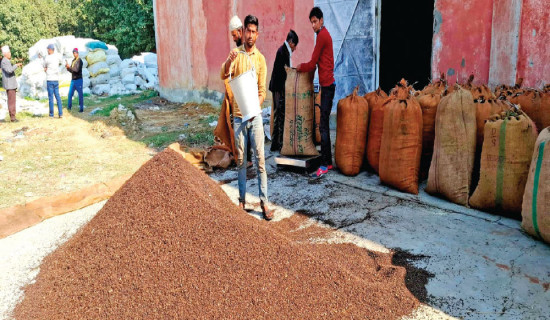
Inflation has hit the world as the cost of living has skyrocketed. The two years of pandemic that preceded the war in Ukraine have crippled the global economy. Further, the war has exacerbated living conditions of people worldwide. The energy crisis too has taken a toll as it seeps into the daily household. And it is the ordinary people who have to bear the brunt. In such fraught times, many are scrambling to make ends meet as fuel and energy crisis looms large. The wealthy and the well-off people may be able to fend off expenses but those in the lower class are relegated to living hand-to-mouth.
As winter approaches, even the developed nations are wary of the possible shortage of energy to warm the houses, light the rooms and manage basic essentials that now have become a sore subject. People have been forced to cut their living expenses down to the minimum. The lifestyle trend is to be frugal where once it used to be all about spending in a capitalistic market. Families are facing difficult choices as the energy bills keep soaring. Even by cutting spending they are barely getting by.
It has come to light that the world is too dependent upon non-renewable energy resources which include coal, petroleum products, and natural gases. And people are realising the importance of solar and wind energy wherever feasible. Further, as the gap between the rich and the poor continues to grow, there is a rising discontent over the living expenses. It has led to a four-day work week in most western nations and many have made remote work possible as well. One way such schemes help is by lowering the energy cost in transportation and easing the rising demand for petroleum.
In UK, Britons are skipping meals “just to keep the light on” according to news reports. The US too is affected by inflation while wildfires rage in California and hurricanes crash in coastal regions. In South East Asia, Pakistan saw one-third of its land underwater. Thus adding to the inflation is the extreme weather that has further worsened the living situations in vulnerable regions of the world. Moreover, there is fear over the war in Ukraine taking a turn for the worse. Closer to home in Nepal, people are becoming aware of the hike in daily groceries. Even as the pandemic is loosening its grip, and Nepali citizens have renewed their normal lifestyle, the economic troubles are far from over.
There are worries over the global inflation affecting nations as more and more people are pushed to poverty. What then are nations doing to keep living crisis at bay? The US government is gearing to cancel student debts of thousands of citizens and implement the Inflation Reduction Act. The government of Brazil has reduced fuel taxes while also raising social welfare payments. Japan will be increasing its average minimum wage. Meanwhile, India has restricted exports of foods such as sugar and wheat. Europe has further been subsiding energy bills to help its people cope.
It shows that nations throughout the world are doing their best to curb the burden of household expenditure among its population. It is during such trying times that prudent economic measures must be implemented to manage the high cost of living.