- Wednesday, 27 May 2026

Fighting Brain Pathologies


Irina Shlionskaya
We tend to think of fatigue as a purely physical symptom. The arms and legs do not move, the eyes close, which means it's time to lie down and rest... But the brain is the same organ as the arm and leg, even "more important" - it controls the entire body. Unfortunately, we may not notice his "fatigue" for a long time, but it can lead to serious problems. How to determine that the brain needs rest, says neurologist Olga Gofman.
Often people associate this, for example, with age and consider it the norm. But there are also old people who have everything in order with memory and attention. In your 40s or 60s, if you notice these symptoms in yourself, it's time to sound the alarm, the doctor says. Otherwise, in a few years you may develop dementia, and you will not recognise your own children.
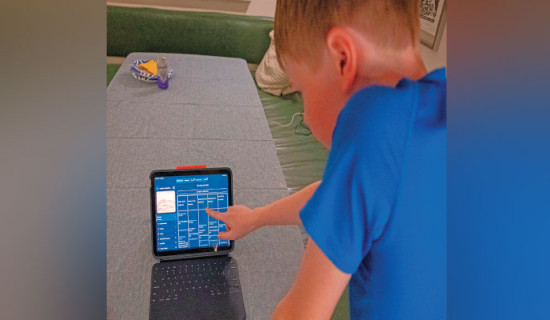
If a person constantly digs into a smartphone or tablet, ignoring loved ones, partners, household chores and even work, this is also an alarm signal. Especially if this has never happened to him before, and suddenly here you go!
Often this pastime is an alternative to activities that are difficult for us - for example, communication with other people or tasks that require the ability to concentrate, invest significant physical or intellectual resources.
The patient is simply not able to do all this. But fussing with a mobile phone does not imply any serious activity - sit to yourself, read the tape or chat in the messenger - for this it is enough to throw a couple of simple remarks to the interlocutor. It can get to the point that a person does not complete an important task or other urgent matters on time and cannot clearly explain the reason.
Persistent bodily ailments include weakness, fatigue, irritability, sleep disturbances, pain in the head and back, numbness of the limbs, and goosebumps. If the symptoms are single and irregular, then perhaps there is nothing to worry about - maybe, indeed, once overworked or nervous ... But if they are observed constantly, and even in combination, this may indicate serious neurological problems, says Hoffman. Therefore, no "nothing terrible" and "it will pass by itself"!
Why did this happen and what should be done? The reasons for the above violations may be different. These are stresses affecting the brain and nervous system, and constant workload at home and at work ... Very often, as Hoffmann notes, these symptoms are found in people who have recovered from COVID-19: it has already been proven that this disease has quite serious cognitive and neurological consequences.
According to the doctor, in no case should you self-medicate. No sport, healthy diet, vitamins and relaxation will help with deep nervous and brain pathologies. Therefore, you should definitely contact a specialist who will give you an accurate diagnosis and prescribe an effective treatment regimen.
-- Pravda.ru