- Thursday, 28 May 2026

Lessons From COVID-19 Pandemic


Our society is vulnerable to surprises and adversities. The COVID-19 pandemic has disrupted our normal life and many unfortunate lives have succumbed to it. It is a rare occasion that our thinking has been inundated with the threat of disease for so long in recent times. The current pandemic has changed our daily activities enormously. The psyche of contracting the disease and the fear of death and dying has changed our behaviour for some time if not for life long. Prevention approaches and response to the epidemics are interlinked. The less prepared we are for any epidemics results in a costlier response afterward. At the same time, we need to upgrade the capacity of our healthcare institutions in terms of intensive care unit beds, ventilators and human resources.
Since the beginning of modern medicine, infectious diseases have remained one of the major challenges to human health. Our immune system has played a tremendous role in tracking and destroying the invading pathogens. With the help of massive immunisation drive in the country, seasonality, and naturally acquired immunity, there is substantial decline in the number of deaths and hospitalisations related to COVID-19. The mortality rates are also significantly different among the countries.
Lesson
Evaluating how coronavirus is behaving over the last two and a half years, it can be said that COVID-19 is going to stay for some time. The future course of the disease depends on many unknowns such as how immunity develops against it, how efficiently vaccination rolls out, how seasonality affects its spread, how infective mutations develop, how the government plans to tackle its spread, and how the individual behaves. The pandemic changed our life drastically. It may have changed in individual terms from our morning routines to life goals and priorities. It may seem like the world has changed forever but vaccines have brought infections down and variants are dealt with, life has returned to somewhat normal.
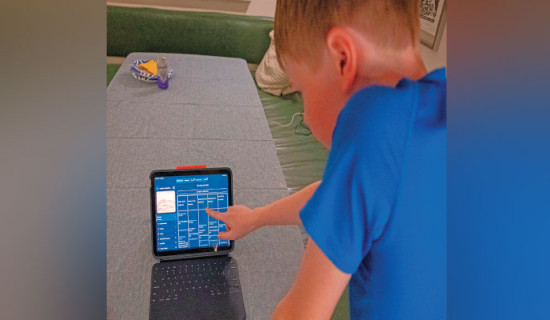
We have realised the value of freedom, the freedom to move, to be with those we love, to live in dignity and security both for ourselves and for those around us. The COVID-19 pandemic highlights the importance of our interdependence and the importance of global cooperation. Thus, a virus can be defeated somewhere only when it is defeated everywhere. The pandemic introduced a new urgency to switch over to platforms like Zoom urgently for remote patient visits; however, there are still problems for which we need to see a health professional in person. COVID-19 has shown how important it is to have basic healthcare infrastructure resilient, thus capable of dealing with new diseases. The importance of investing in health manpower development has been realised.
The infodemic has had real health consequences at the beginning of the pandemic. Therefore, this pandemic has taught us that the myths and rumours should be dealt cautiously by the concerned organisations. There was a rise in reported mental health problems highlighting mental health as an issue that needs to be addressed. The importance of psycho-social counselling in the time of pandemics cannot be overlooked. COVID-19 has taught us how mask-wearing is a crucial pandemic prevention strategy because masks provide a barrier that can keep respiratory droplets from spreading.
The pandemic has also taught us that we can travel less, work from home, think differently, and thrive digitally. It has created new dimensions to be productive and to share our lives and share in the lives of others. However, we are moving towards a new phase mainly due to a huge inoculation drive and millions of infections that may have resulted in acquired and/or natural immunity. Vaccines really are worth getting. In the past, it has taken four to 20 years to create conventional vaccines. For COVID-19, scientist developed vaccines within a record 11 months. The process with which vaccines against COVID-19 may have changed forever the way drugs and/ or vaccines are developed in the future.
The future of this pandemic depends on the ongoing mutations of the SARS-CoV-2 virus, on our behaviours, and on the decision of the government regarding steps to be taken in order to contain virus spread. If new mutant variants continue to appear, seasonal surges may become the norm in the future. Monitoring the epidemic and the emergence of new variants and accelerating the modification of vaccines to enhance their efficacy for emerging high-risk variants will be a challenge as time passes. Increased transmission of infection will increase the likelihood of the emergence of new and often more contagious and pathogenic variants anywhere in the world.
Coordination
It is extraordinary, however, that the lockdown period has led to the regeneration of nature. After many decades, we have been able to see blue skies, pollution levels dropped, and several species of animals, birds, and insects staged a comeback. Now, it is our collective responsibility to make these positive changes sustainable and adopt a new normal. We have learnt from COVID-19 that the level of response needed to tackle a crisis is beyond the capacity of any country. The pandemic also taught us the importance of greater coordination across public health systems and sharing best practices can avoid wasted effort.
The pandemic has revealed the weaknesses of our public health system and how important it is to increase funding and coordination among public health agencies across the world. It is equally imperative to increase support for international public health through international agencies in order to tackle future public health emergencies efficiently.
(Dr. Lohani is the clinical director at the Nepal Drug and Poison Information Centre. lohanis@gmail.com)